
Acupuncture Treatment in Denville, NJ
If you have been dealing with pain that does not seem to go away no matter what you try, acupuncture might be worth a serious look. It is one of those treatments that people either swear by or have never really considered, and honestly, that gap usually comes down to not knowing what it actually involves. At this trusted medical center in Denville, acupuncture therapy is part of a larger approach to helping patients manage chronic pain, recover from injuries, and feel better without always reaching for medication first.
So what is acupuncture, really? It is a practice rooted in traditional Chinese medicine that has been around for thousands of years. The basic idea is that thin needles are inserted into specific acupuncture points on the body to stimulate healing, reduce inflammation, and relieve pain. That might sound uncomfortable, but most patients describe the sensation as mild, almost like a tiny pinch that fades quickly. The needles used are sterile, single-use, and much thinner than anything you would see at a blood draw
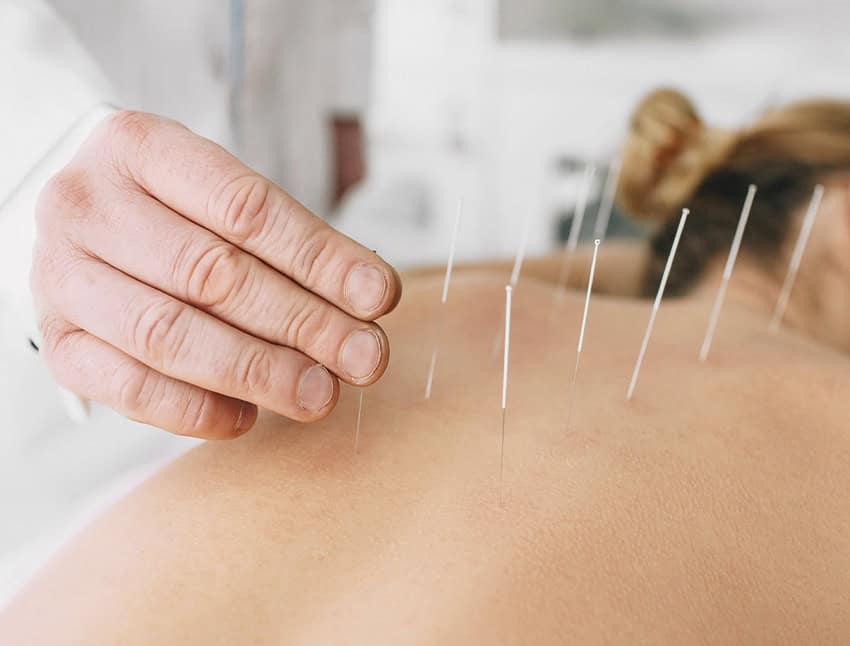
HOW DOES ACUPUNCTURE WORK?
There are a few different ways to explain how acupuncture helps with pain relief, depending on whether you are looking at it from a traditional or modern perspective.
Acupuncture helps relieve pain without medication. Their main focus is to restore harmony and energetic balance by stimulating your body’s natural healing components. According to Traditional Chinese Medicine, pain is caused by the stagnation of Qi (energy), Xue (blood) and blockage of meridians (the cause of pain). Through relaxation, our acupuncturists activate certain points to reduce pain, increase stress relief, balance hormones, and increase immunity, endorphins, and energy, all while improving sleep and digestion. In whole, by removing the blockages along the body’s meridian pathways, pain is relieved while Qi and Xue are restored.
From a Western medicine standpoint, the explanation looks a bit different. Research suggests that needle insertion stimulates the central nervous system, which can trigger the release of the body’s natural painkillers. There is also evidence that acupuncture affects connective tissue and blood flow in ways that promote healing. Studies using functional magnetic resonance imaging have shown changes in brain activity during and after acupuncture sessions, which adds another layer to understanding why patients often report feeling better.
Neither explanation cancels the other out. A lot of patients do not care which one is technically correct, they just want something that works.
Techniques our Acupuncturists use:
Our acupuncturists draw from a range of traditional and modern methods to address pain, tension, and overall wellness. Each technique serves a different purpose, and your practitioner will recommend the approach that fits your condition and comfort level. Some patients respond best to a single method, while others benefit from combining a few during the same session.
- Needling
- Cupping
- Facials
- Gua Sha
- Chinese Herbs & Medicine
How long until I feel results with an Acupuncturist?
Having your mind in line with your body in a positive way, navigates optimal results. Patients typically feel relief with acupuncture between the 1st and 4th treatment, while others, with more chronic conditions, may need a couple of additional treatments.
Call (973) 627-7888 or Click Here To Schedule An Appointment with one of our Experienced Acupuncturist
Conditions That Respond Well to Acupuncture Therapy
If you have never had acupuncture before, the first visit usually starts with a conversation. Your practitioner will ask about your symptoms, medical history, and what you are hoping to get out of treatment. This is not a rushed process. Understanding your situation helps determine which acupuncture points to target and how many sessions might be needed.
Acupuncture is used to treat pain from a wide range of conditions. Some of the most common include:
- Chronic low back pain
- Neck pain and stiffness
- Joint pain, including knee and shoulder discomfort
- Headaches and migraines
- Carpal tunnel syndrome
- Myofascial pain
- Postoperative pain
- Stress and tension
Beyond musculoskeletal problems, acupuncture therapy has been studied for its effects on conditions like irritable bowel syndrome, certain symptoms related to cancer treatment, and even stress or anxiety. The National Center for Complementary and Integrative Health has published information on randomized controlled trials examining acupuncture for various health concerns, and while results vary by condition, there is growing support for its use as part of a broader care plan.
Once you are ready, you will lie down in a comfortable position. The acupuncturist will insert thin, sterilized needles into specific points on your body. The number of needles varies depending on the condition being treated. You might feel a slight sensation when the needle goes in, but it should not be painful. Most people actually relax during the session, and some even fall asleep.
The needles stay in place for about 15 to 30 minutes. After they are removed, you might feel a bit tired or, conversely, more energized. Both responses are normal. Some patients notice improvement after the first session, while others need a few visits before they start to feel a difference.
Acupuncture as Part of Integrative Medicine
One thing that sets Denville Medical & Sports Rehabilitation Center apart is that acupuncture services are offered alongside other treatments like physical therapy, chiropractic care, and pain management. This integrative approach means your care team can coordinate with each other, which tends to produce better results than treating one issue in isolation.
For example, a patient dealing with chronic low back pain might see a chiropractor for spinal adjustments, a physical therapist for strengthening exercises, and an acupuncturist for pain relief and muscle relaxation. All three providers are in the same building, which makes communication easier and keeps you from having to repeat your story at every appointment.
Integrative medicine is not about picking sides between conventional treatments and complementary therapies. It is about using whatever works, based on evidence and your individual response.
Is Acupuncture Covered by Insurance?
This is one of the first questions people ask, and the honest answer is that it depends on your specific plan. Coverage for acupuncture varies quite a bit between providers and policy types. Some plans include it for certain conditions, others do not cover it at all, and a few fall somewhere in the middle with limits on the number of sessions.
The best thing to do is call your insurance company directly or ask the front desk when you schedule your appointment. They can help verify your benefits so you know what to expect before your first visit. Nobody wants to be surprised by a bill, and sorting this out ahead of time makes the whole process less stressful.
Who Provides Acupuncture at Our Clinic?
The acupuncture team here includes practitioners who are trained in both traditional techniques and modern acupuncture methods. They work closely with the rest of the medical staff to make sure your treatment plan fits with everything else you are doing for your health.
If you have questions about a specific practitioner’s background or training, the front desk can point you in the right direction or connect you with someone who can answer those questions directly.
Should You Try Acupuncture?
If you have been dealing with pain that has not responded well to conventional treatments, or if you are looking for something to use alongside physical therapy or medication, acupuncture is worth considering. It is not magic, and it does not work for everyone, but for a lot of patients it makes a real difference.
The best way to find out if it is right for you is to come in and talk to someone. Ask questions. Get a feel for what the process looks like. And if it turns out acupuncture is not the right fit, there are other options available at the same location.
Pain does not have to be something you just live with. Sometimes the thing that helps is not what you expected.
Call (833) 403-6214 or Click Here To Schedule An Appointment with one of our Experienced Acupuncturist
TREATMENT AVAILABLE
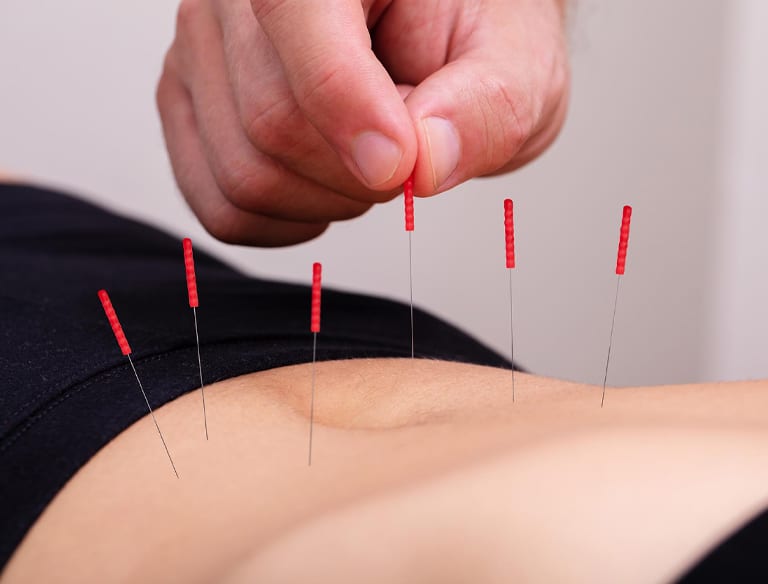
NEEDLE
Rationale: Rule out or confirm impaired nerve transmission to muscles
Treatment: Manual Procedures, Physical Therapy and Rehabilitation
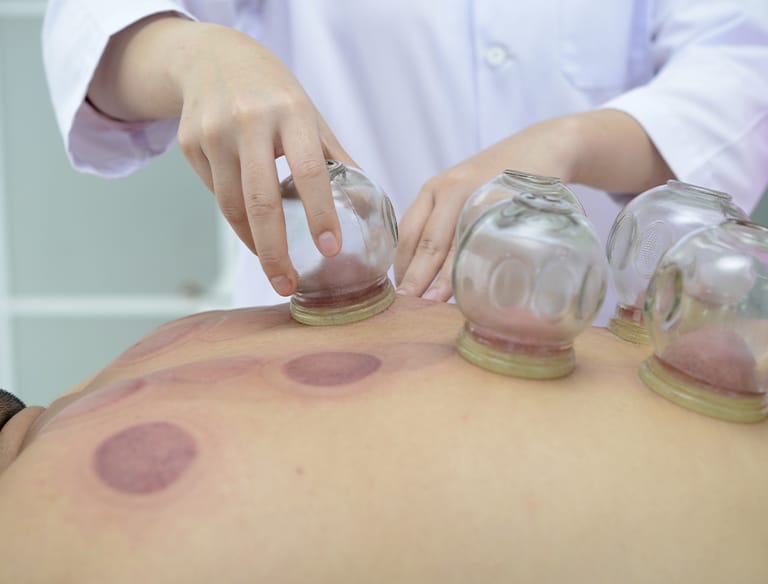
CUPPING
In cupping therapy, a therapist places cups on your skin to create suction. This therapeutic practice helps with pain, inflammation, and blood flow.
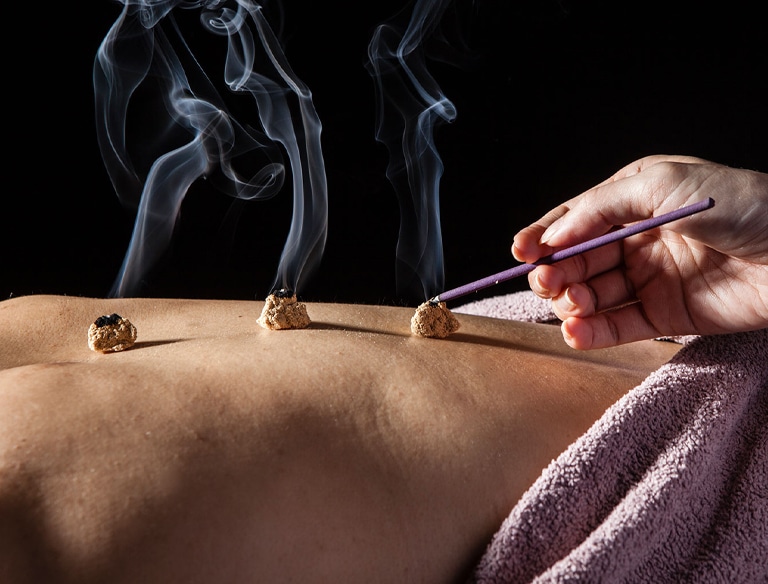
CHINESE MEDICINE
Traditional Chinese Medicine includes various forms of herbal medicine, acupuncture, massage, exercise, and dietary therapy.
*Note: Although you can receive Acupuncture solely, our experts found that patients who combine their care with our other services reach maximum medical improvement faster and maintain results longer. Acupuncture is best coupled with Chiropractic Care and Physical Therapy, for many conditions. Acupuncturists reduce physical and mental stress by stimulating nerve function, while Physical Therapists help increase flexibility and lymph flow while building strong muscles to maintain proper structure and Chiropractors help increase joint mobility and increase nerve function. Ask us now if coupled treatment is right for you.
Call us at (973) 627-7888 or request an appointment here

SERVICES
Service Areas
CONDITIONS
CONTACT INFO
161 East Main Street, Route 53, Denville, New Jersey 07834
(973) 627-7040
OPENING HOURS
- Mon 9:00am-2:00pm – 3:00pm-7:00pm
- Tue 9:00am-1:30pm – 3:00pm-7:00pm
- Wed 9:00am-2:00pm – 3:00pm-7:00pm
- Thu 9:00am-2:00pm – 3:00pm-7:00pm
- Fri 9:00am-2:00pm – 3:00pm-7:00pm
- Sat 9:00am – 1:00pm
- Sun Closed