
What is Neuro Spine Surgery?
Neuro spine surgery is a specialized field of neurosurgery that focuses on the diagnosis and treatment of disorders affecting the spine and nervous system. Our expert neurosurgeons at Denville Medical combine their in-depth knowledge of the nervous system with advanced surgical techniques to provide comprehensive care for patients with spine-related conditions, supported by neuro spine surgery experts in Denville, NJ.
When Spine Problems Require More Than Conservative Care
Most spine conditions respond well to physical therapy, pain management, and targeted interventions. That is the preferred path, and for a significant number of patients, it is enough. But there are situations where the structural problem causing pain, weakness, or neurological symptoms is serious enough that surgery becomes the most appropriate option. A herniated disc compressing a nerve root, spinal instability that has not responded to conservative treatment, or a degenerative condition that keeps progressing despite everything else that has been tried. Those are the cases where neuro spine surgery enters the conversation.
Neuro spine surgery sits at the intersection of neurosurgery and spine care, addressing conditions that involve both the structural components of the spinal column and the nervous system running through it. A board certified neurosurgeon with spine training understands both sides of that equation, which matters considerably when the goal is relieving pain and restoring function without creating new problems in the process.

What Neuro Spine Surgery Actually Addresses
The spine is a complex structure. It provides support and mobility for the entire body while simultaneously protecting the spinal cord and the nerve roots that branch out from it. When something goes wrong with the structural side, whether that is disc degeneration, bone spurs, instability, or a fracture, the neurological side often feels it. Pain that radiates down the leg, weakness in the arms or hands, numbness, and coordination problems are all signs that the nervous system is being affected by whatever is happening in the spinal column.
Spine disorders that commonly require surgical evaluation include degenerative disc disease that has reached the point of causing persistent neurological symptoms, spinal stenosis where narrowing of the spinal canal is compressing the cord or nerve roots, herniated discs that have not responded to conservative care, spinal instability following injury or arthritis-related deterioration, and tumors or other abnormal growths affecting the spine or surrounding neural structures. Each of these conditions has its own set of surgical options, and the right approach depends on the specific diagnosis, the patient’s overall health, and what the imaging shows about the extent of the problem.
The Case for Minimally Invasive Spine Surgery
Traditional open spine surgery involves significant tissue disruption. Large incisions, extensive muscle retraction, and longer recovery periods were standard for decades because the surgical tools available required that level of access. Minimally invasive spine surgery changed that equation by allowing surgeons to work through small incisions using specialized instruments and imaging guidance rather than opening up a large surgical field.
The practical difference for patients is meaningful. Smaller incisions mean less damage to the surrounding muscles and soft tissue, which translates to reduced post-operative pain, lower risk of infection, and a faster return to normal activity compared to traditional open procedures. Across the field of minimally invasive spine surgery broadly, blood loss during procedures tends to be lower and recovery timelines shorter than with open surgery, though the specific experience varies depending on the procedure performed and the individual patient’s condition.
That said, minimally invasive approaches are not appropriate for every spine condition. Complex cases involving significant instability, tumor involvement, or multi-level disease may still require more extensive surgical access. A thorough evaluation and honest conversation about the right approach for a specific case is what determines which path makes sense, not a blanket preference for one technique over another.
What to Expect From the Surgical Consultation
The consultation is where the surgeon builds a complete picture of what is going on. That means reviewing imaging studies, going through the patient’s full medical history, understanding what symptoms are present and how long they have been there, and assessing what treatments have already been tried. A board certified neurosurgeon will explain the diagnosis clearly, outline the surgical and non-surgical options that apply to the specific condition, and walk through the expected outcomes and possible risks of each.
That conversation matters. Patients who understand why a procedure is being recommended, what it involves, and what recovery looks like are better prepared for the process and tend to have more realistic expectations about results. Surgery for spine conditions is not always a complete cure. For many patients it is a significant reduction in pain and a meaningful improvement in function, and being clear about that distinction upfront is part of responsible surgical practice.
Conditions Treated Through Neuro Spine Surgery
Neuro spine surgery covers a full spectrum of conditions affecting the cervical, thoracic, and lumbar spine. The surgical approach varies depending on location, severity, and the specific structures involved.
Some of the conditions that commonly lead to a neuro spine surgery consultation include:
- Degenerative disc disease causing chronic neck pain, back pain, or radiating leg pain
- Herniated or ruptured discs pressing on spinal nerve roots or the cord itself
- Spinal stenosis resulting in pain, weakness, or difficulty walking
- Spondylolisthesis and other forms of spinal instability
- Vertebral fractures from trauma or conditions like osteoporosis
- Spinal tumors requiring surgical removal or decompression
- Arthritis-related deterioration that has progressed beyond what conservative care can manage
Neurological symptoms, numbness, weakness, loss of bladder or bowel control, or significant coordination problems, indicate that the spinal cord or nerve roots are under enough pressure that a timely surgical evaluation is warranted. Waiting on those symptoms tends to carry more risk than addressing them.
Advanced Care for Brain, Spine & Nerve Conditions
At Denville Medical, we provide comprehensive, patient-focused care for complex brain, spine, and nerve disorders. Our approach combines advanced medical expertise with precision treatment planning to help patients regain function, reduce pain, and restore quality of life.
We care for a wide range of conditions, from degenerative spine issues to neurological disorders and injury-related conditions, with a focus on individualized treatment and long-term outcomes.
Our team works closely with each patient to determine the most appropriate course of care, whether surgical or non-surgical, based on diagnosis, lifestyle, and personal health goals.
Precision-Based Treatment for Complex Conditions
Our care model emphasizes accuracy, safety, and outcomes. Patients benefit from modern diagnostic tools, advanced surgical techniques, and coordinated care designed to support recovery and lasting relief.
We regularly work with cases involving:
- Chronic neck and back pain
- Nerve compression and neurological symptoms
- Degenerative spine conditions
- Trauma-related injuries
- Workers’ compensation and motor vehicle accident cases
Our goal goes beyond symptom management we focus on restoring function and helping patients return to daily life with confidence.
Specialties & Procedures Offered
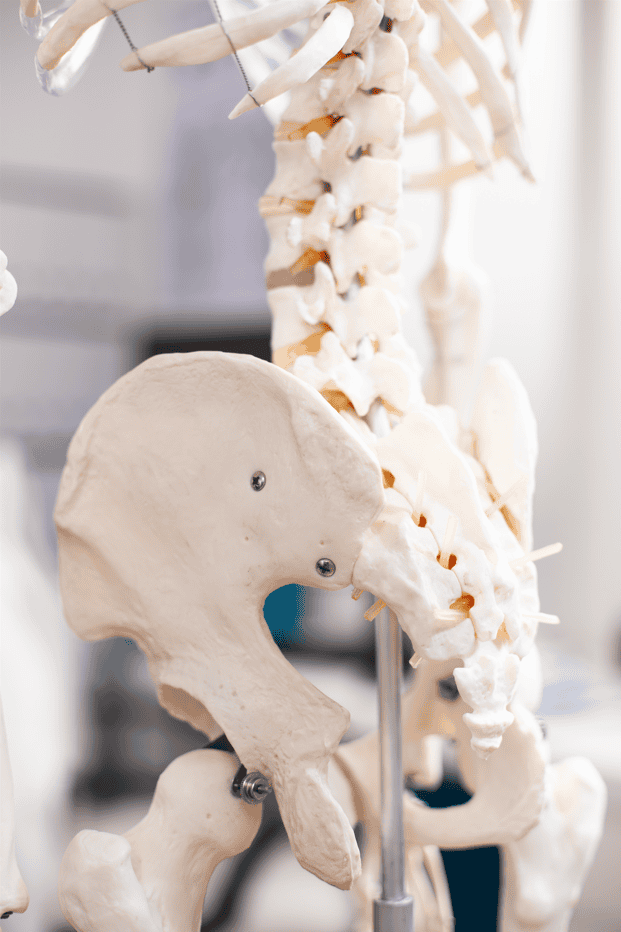
Minimally Invasive Spine Surgery
Targeted techniques designed to reduce tissue disruption, shorten recovery time, and limit scarring.
Cervical & Lumbar Disc Procedures
Treatment options for herniated, bulging, or degenerative discs causing pain, weakness, or numbness.
Spinal Decompression & Fusion
Helps relieve pressure on spinal nerves while restoring stability and alignment.
Surgical Management of Spinal Tumors
Care for both metastatic and primary spinal tumors using advanced surgical planning.
Chiari Malformation Decompression
Addresses structural abnormalities affecting the brain and spinal cord.
Cervical Artificial Disc Replacement (ADR)
Preserves motion while treating disc degeneration when appropriate.
Trauma & Spinal Cord Injury Surgery
Experience managing complex injuries and reconstruction following trauma.
Gamma Knife Radiosurgery
A non-invasive treatment option for select brain tumors and vascular conditions.
Recovery and Rehabilitation After Spine Surgery
Recovery from spine surgery varies considerably depending on the procedure performed, the patient’s overall health going in, and how well they follow through on post-operative care. Minimally invasive procedures generally allow for earlier mobilization and a shorter initial recovery window compared to open surgery, but all spine procedures require a structured rehabilitation period to rebuild strength, restore mobility, and reduce the risk of future problems.
Physical therapy is a standard part of spine surgery recovery. The rehabilitation process helps patients regain the function that the surgical procedure was designed to restore, and it addresses the muscular and movement patterns that may have developed around the pain before surgery. That combination of surgical correction and structured rehabilitation tends to produce better long-term outcomes than either component alone.
Pain management support during the recovery period is also part of the picture. Post-operative discomfort is expected, and having a coordinated care team that includes pain management alongside the surgical team means that part of the recovery gets proper attention rather than being left for the patient to manage alone.
Why Patients Choose Denville Medical
- Comprehensive expertise in brain, spine, and nerve care
- Emphasis on precision, safety, and patient education
- Experience with complex and injury-related cases
- Modern treatment options tailored to each patient
- Commitment to restoring mobility, function, and quality of life
Patients trust our team for clear communication, thoughtful recommendations, and care plans built around their specific needs.
Neuro Spine Surgery at Denville Medical Associates
Denville Medical Associates has Dr. Noce on the surgical team, a board certified neurosurgeon who completed his medical degree at Albert Einstein College of Medicine and his spine surgery fellowship at Montefiore Medical Center. He is a Fellow of the American Association of Neurological Surgeons and an active member of the Congress of Neurological Surgeons, the North American Spine Society, and the American Medical Association. His focus on minimally invasive techniques reflects a commitment to reducing tissue disruption and improving long-term outcomes for patients who need surgical intervention.
Neuro spine care at Denville Medical Associates sits within a broader multidisciplinary environment where surgical care, pain management, physical therapy, and primary care work together rather than in separate silos. That structure means a patient moving through a spine surgery and recovery process has coordinated support at every stage, not just during the procedure itself. Call (973) 627-7888 to schedule a consultation, or book an appointment online through the Denville Medical Associates website.
Other Services We Offer:
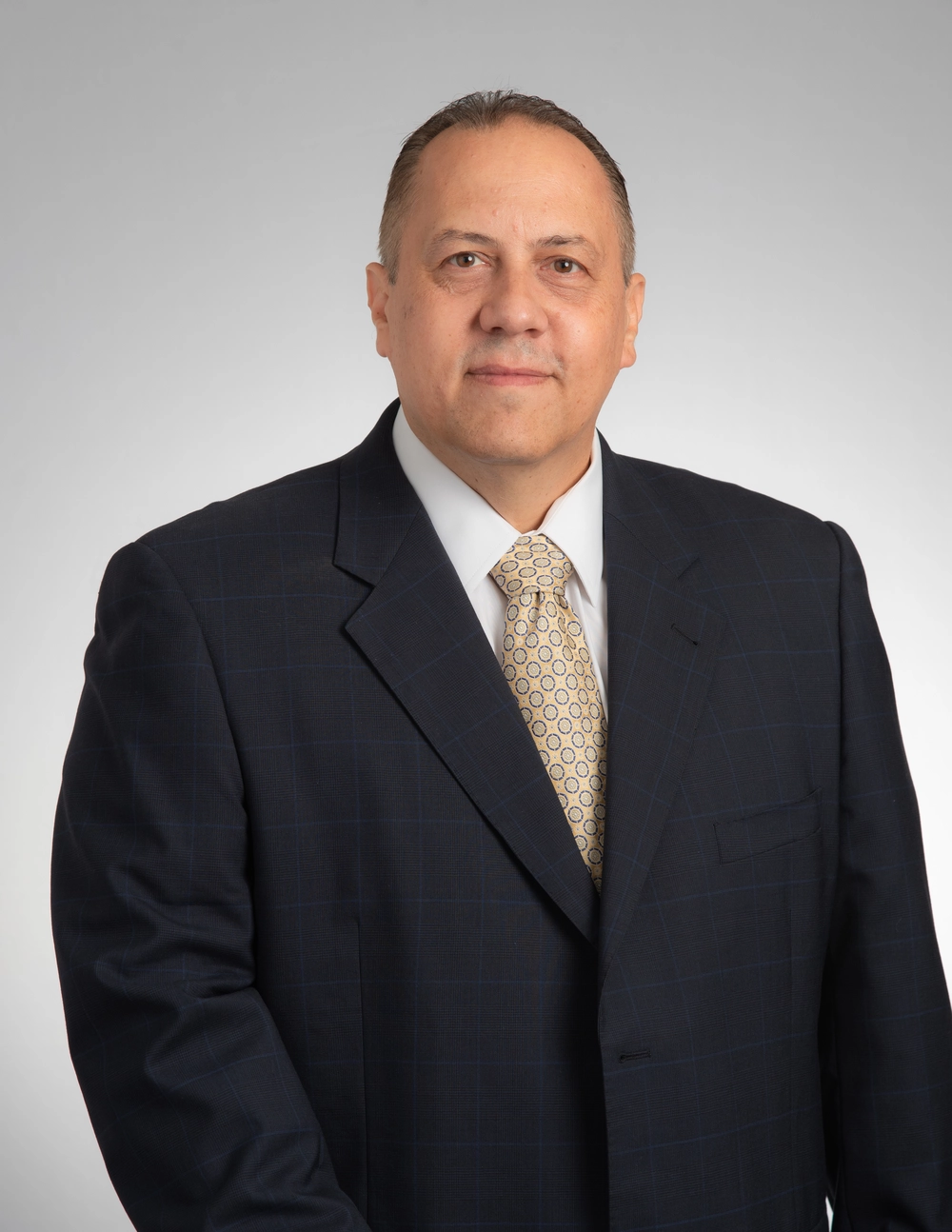
Who is Dr. Louis Noce?
Board-Certified Neurosurgeon | Minimally Invasive Spine Surgery Specialist
Dr. Louis Noce is a board-certified neurosurgeon and the founder of Axis Spine – Advanced Spine Care and Neurosurgery. With nearly 20 years of experience in spinal and neurological surgery, Dr. Noce is widely recognized for his expertise in minimally invasive spine techniques, his precision in the operating room, and his deeply compassionate approach to patient care.
Dr. Noce founded Axis Spine with the mission of providing advanced, personalized care to patients across the New York and New Jersey region. His practice focuses on restoring function, reducing pain, and helping patients regain their quality of life through innovative surgical and nonsurgical solutions. Known for his clear communication and commitment to patient education, Dr. Noce ensures that every patient understands their diagnosis and is actively involved in choosing the right treatment plan.
He specializes in the diagnosis and treatment of a wide range of spinal conditions, including degenerative spinal disorders, spinal tumors, congenital spine abnormalities, and failed spine surgery syndrome. His clinical interests include minimally invasive spine surgery, cervical spine surgery, and revision procedures—particularly for patients who have not found relief through previous treatments.
Dr. Noce is an early adopter of minimally invasive techniques that reduce tissue disruption, shorten recovery time, and improve long-term outcomes. His patient-first philosophy, combined with technical excellence, has made him a trusted resource for both patients and referring physicians throughout the region.
He is a Fellow of the American Association of Neurological Surgeons (FAANS) and an active member of the Congress of Neurological Surgeons (CNS), the North American Spine Society (NASS), and the American Medical Association (AMA).
Dr. Noce received his medical degree from Albert Einstein College of Medicine, where he also completed his neurosurgery residency. He went on to complete a fellowship in spine surgery at Montefiore Medical Center. He is certified by the American Board of Neurological Surgery (ABNS).
Whether treating complex spine conditions or guiding patients through recovery, Dr. Noce remains committed to delivering hope, healing, and surgical excellence—one patient at a time.
- Awards: Jersey’s Best Magazine Top Doctors: 2019, 2020, 2021, 2022, 2023, 2024, 2025Jersey’s Best-Top
- Doctors for Cancer: 2019, 2020, 2021, 2022, 2023, 2025, 2025
- Castle Connolly Top Doctor: 2018, 2019, 2020, 2021, 2022, 2023, 2024, 2025
- Healthgrades Honor R: 2021, 2022, 2023, 2024, 2025
- Top Doctors New York Metro Area: 2020, 2021, 2022, 2023, 2025
- New York Magazine: Top Doctors: 2021, 2022, 2023, 2024, 2025

Sports Medicine for Aisha Cortes

Pain Management for Kim Nolan
Chiropractor for jussaria sousa
Physical Therapist for Bethany Rosen
Acupuncture for Mina Floros
Diagnostic Testing for Marianne Maes
Chiropractic Services for Domenic Doran
Physical Therapy for Elaine Lotzer
Sports Medicine for Steven DeSalvo
Pain Management for Shirley Cordova
Chiropractor for Chris Free
Physical Therapist for Michael Cicalese
Acupuncture for Michael Cicalese
Diagnostic Testing for Carol Tomensky
Chiropractic Services for Carol Tomensky
Physical Therapy for RN
Sports Medicine for RN
Pain Management for Dani
Chiropractor for Dani
Physical Therapist for Brittany Motyka
Acupuncture for Brittany Motyka
Diagnostic Testing for Natalia Tole
Chiropractic Services for Natalia Tole
Physical Therapy for Yehuda Pa
Sports Medicine for Yehuda Pa
Common Myths About Spine Surgery: Debunked
Myth 1: All spine surgeries are highly risky and have a low success rate
Myth 2: Spine surgery always involves large incisions and long recovery times
Myth 3: Once you have spine surgery, you can never participate in physical activities or sports again
Neurosurgery FAQ
- What is the most common surgery for neurosurgery?
- What is the most common reasons for neurosurgery?
- Why would a neurologist refer you to a neurosurgeon?
- What can a neurosurgeon do for nerve damage?
- Can a neurosurgeon fix a pinched nerve?
- Would a neurosurgeon be needed after a concussion?
- What technology do neurosurgeons use?
The most common surgery for neurosurgery is decompression surgery to alleviate pressure on the spinal cord or nerves.
The most common reasons for neurosurgery include treating spinal disorders such as herniated discs, spinal stenosis, or degenerative disc disease.
A neurologist might refer a patient to a neurosurgeon for conditions that require surgical intervention, such as kyphosis, severe spinal disorders, or traumatic spine injuries.
Neurosurgeons can repair nerve damage through procedures like nerve grafting, nerve decompression, or nerve repair surgeries.
Yes, a neurosurgeon can often alleviate symptoms of a pinched nerve through surgical procedures like diskectomy.
In most cases, a neurosurgeon would potentially be needed for complex cases of concussion. Concussions are typically managed by neurologists or primary care physicians specializing in sports medicine, who monitor symptoms and provide guidance on recovery.
Neurosurgeons use various technologies such as MRI and CT scans for imaging, intraoperative neurophysiological monitoring, and advanced surgical tools like lasers and robotic systems. Also check out our Blog regarding the Impact of Technology on Neurosurgery.
At Denville Medical, our neuro spine surgery team is committed to providing personalized care using the latest evidence-based treatments. We work closely with each patient to develop a tailored treatment plan that addresses their unique needs and goals.
For more information or to schedule a consultation, please contact us at the number above.

SERVICES
Service Areas
CONDITIONS
CONTACT INFO
161 East Main Street, Route 53, Denville, New Jersey 07834
(973) 627-7040
OPENING HOURS
- Mon 9:00am-2:00pm – 3:00pm-7:00pm
- Tue 9:00am-1:30pm – 3:00pm-7:00pm
- Wed 9:00am-2:00pm – 3:00pm-7:00pm
- Thu 9:00am-2:00pm – 3:00pm-7:00pm
- Fri 9:00am-2:00pm – 3:00pm-7:00pm
- Sat 9:00am – 1:00pm
- Sun Closed