

Recovering From Pain Starts With the Right Physical Therapy Team
The main goal of a physical therapist is to maximize the body’s proper structure and increase overall function. In order to accomplish this, their techniques focus on increasing muscle strength and improving the body’s range of motion.
Pain has a way of stacking up. A sports injury here, some chronic neck pain there, and before long, everyday movement feels like something you have to think about instead of something that just happens. Working with physical therapy experts in Denville, NJ, gives you a direct path back to functional movement without defaulting to surgery or long-term medication. At Denville Medical Associates, physical therapy is not a standalone appointment you get referred to and forget about. It is part of a coordinated care model where your physical therapist communicates with the rest of your medical team so nothing falls through the cracks.
Whether you are dealing with a recent orthopedic injury, recovering from a neurological event, or managing a chronic condition that keeps flaring up, physical therapy treatment is designed to address the root cause rather than just quiet the symptoms down for a while.
What Physical Therapists Actually Do
There is a common misconception that physical therapy is just stretching and light exercise. It is a lot more involved than that. Physical therapists evaluate your movement patterns, strength, range of motion, and medical history to build a treatment plan specific to what your body needs. They are trained health care professionals with a doctor of physical therapy degree, and many specialize in specific areas like orthopedic physical therapy, neurological physical therapy, or sports physical therapy.
During a physical therapy session, your therapist might use hands-on treatment techniques like manual therapy to work through soft tissue restrictions, or they may incorporate ultrasound therapy and heat therapy depending on what the condition calls for. The goal is always to restore physical function, reduce pain, and give you the tools to stay active after treatment ends.
Techniques our Physical Therapist use:
- Biodex Isokinetic Machine
- Bracing
- Cold Laser
- Cupping
- Electric Stimulation
- Flexion & Distension
- Heat & Ice
- Intersegmental Traction
- Joint Mobilizations
- Kinesio Taping
- Manual Therapy
- Myofascial Release
- Neuro-muscular reeducation
- Orthotics
- Percussion Massage
- Pulsing
- Radial Pulse Therapy
- Splinting
- Sports Massage
- Techniques:
- Graston Technique
- Diversified Technique
- Activator Technique
- Carver Technique
- SOT Technique
- Trigger Point Therapy
- Ultrasound
What to Expect During Treatment
Your first visit covers your medical history, a movement assessment, and a conversation about what you want to get back to. That last part matters more than people expect. A physical therapist needs to know whether your goal is returning to a sport, getting through a workday without pain, or being able to pick up your kids again. The treatment plan gets built around that.
From there, sessions are typically a combination of hands-on treatment, therapeutic exercise, and whichever modalities your therapist determines are appropriate, whether that is shockwave, decompression, heat therapy, or ultrasound therapy. Many patients begin noticing changes within a few weeks, though the timeline depends on the condition, how long it has been present, and how consistently the patient follows through between sessions.
Physical therapy also involves patient education. Understanding why your body is doing what it is doing helps you manage symptoms outside of the clinic and reduces the chance of the same injury coming back. That educational component is part of every treatment plan, not an afterthought.
What can a patient expect when treating with a Physical Therapist?
During your first visit with our physical therapist a series of tests and screenings will be completed in order to create a baseline for your care. You can expect to complete stability screenings, computerized range of motion and strength tests to measure your muscle function. Once complete, a custom treatment for physical therapy will be established with you and we can move forward with your care. During your treatment you can expect changes to your exercises as we continuously track your progress in order to understand where you are now and get you closer to your end goal.
How long until I feel results with a Physical Therapist?
Every patient’s care is based on a customized treatment plan. Your level of stability and functionality depends on your condition, your goals, and your motivation to get better. Every patient is different. For acute pain, patients typically feel relief in 2-3 weeks while patients with chronic or nerve pain typically feel optimal results after their first full course of therapy (4-6 weeks). We continuously monitor your improvement as the goal is to achieve maximum medical improvement or as close to 100% as possible.
Call (973) 627-7888 or Click Here To Schedule An Appointment with one of our Experienced Physical Therapist
Shockwave Therapy: A Faster Route to Tissue Recovery
One of the more effective tools in a physical therapy setting right now is shockwave therapy. It is worth understanding what it actually does, because it sounds more intense than it is. Shockwave delivers acoustic pressure waves into damaged tissue, which stimulates blood flow, breaks down calcification, and accelerates the body’s natural repair process. For patients dealing with stubborn tendon injuries, plantar fasciitis, or chronic connective tissue pain that has not responded to standard treatment, shockwave can produce results in a few weeks that other approaches take months to achieve.
It works particularly well when combined with manual therapy and therapeutic exercise. Your therapist will assess whether shockwave is appropriate for your condition and integrate it into a broader treatment plan rather than treating it as a one-off fix.
Spinal Decompression for Neck Pain and Back Pain
Decompression therapy is another area where physical therapy produces outcomes that patients genuinely feel. Spinal decompression gently stretches the spine in a controlled, intermittent pattern to relieve pressure on compressed discs and pinched nerves. For people with herniated discs, sciatica, or persistent neck pain, it addresses the mechanical problem directly rather than just managing symptoms with medication.
The process is gradual and monitored. A physical therapist will track how your spine responds across sessions and adjust the protocol based on your progress. Decompression works well alongside other treatments like ultrasound therapy and targeted strengthening exercises that support the spine long after the decompression sessions are complete.
Conditions Physical Therapists Treat
Physical therapy covers a wider range of health conditions than most people realize. It is not limited to back injuries and post-surgical recovery, though it handles both of those well. Physical therapists specialize in treating conditions across multiple systems of the body, and a good therapist will know when a case needs to be escalated to medical doctors or other specialists on the care team.
Some of the conditions treated through physical therapy include:
- Sports injuries and orthopedic surgery recovery
- Spinal cord injury and neurological conditions like multiple sclerosis and cerebral palsy
- Balance disorders and fall prevention, particularly in geriatric physical therapy
- Pelvic pain and urinary incontinence through pelvic floor rehabilitation
- Brain injuries and stroke recovery
- Chronic conditions like Alzheimer’s disease that affect physical function over time
- Pulmonary rehabilitation for patients with breathing-related limitations
Pediatric physical therapy addresses developmental concerns in younger patients, while geriatric physical therapy focuses on maintaining mobility and independence as the body ages. Both require a different approach and a therapist with the right background to manage them properly.
Physical Therapy at Denville Medical Associates
The physical therapy team at Denville Medical Associates operates within a multidisciplinary healthcare facility, which means your therapist is working alongside pain management specialists, primary care providers, and spine surgeons when a case calls for it. That level of coordination is not something most outpatient treatment centers can offer.
Most major health insurance plans are accepted, and same-day appointments are available for acute cases. If you have been managing pain, working around a limitation, or recovering from an injury and feel like you are not making the progress you should be, physical therapy is often the missing piece. The sooner you start, the sooner your body has a structured plan to follow.
Call (973) 627-7888 to schedule your physical therapy consultation, or book online through the Denville Medical Associates website.
Other Services We Offer:
TREATMENT AVAILABLE

TORIDOL INJECTIONS
Toradol is a nonsteroidal anti-inflammatory drug used to treat pain. It works by reducing hormones that cause inflammation and pain in the body.

TRAUMEEL
Traumeel is composed of all natural ingredients and is used to temporarily relieve joint and muscle pain.
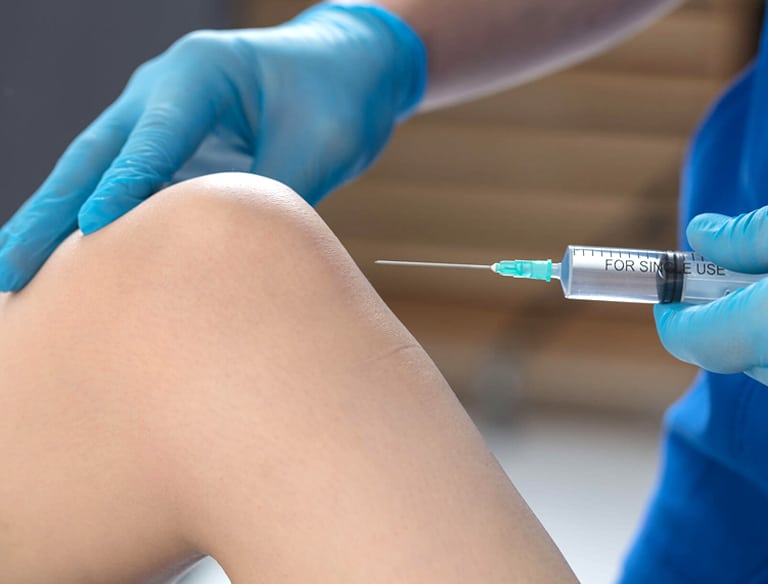
SUPARTZ
Supartz is used to treat arthritis of the knee. It is administered as a shot into the knee.

IV CHELATION THERAPY
Chelation therapy is a method used to remove heavy metals from the blood which improves circulation. This leads to the reduction or elimination of chest pain and other symptoms of vascular disease and can boost energy levels.
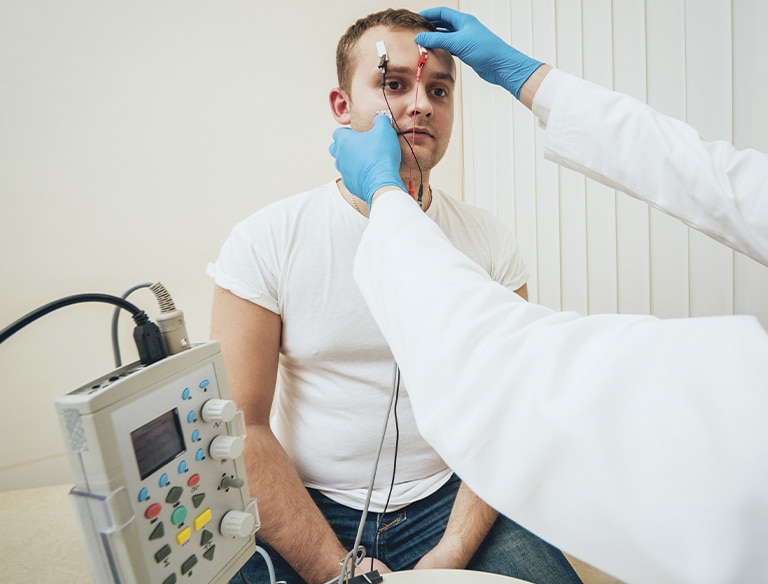
NEUROMUSCULAR RE-EDUCATION
Refers to techniques used to improve balance, coordination, posture, and the sense of the relative position of neighboring parts of the body and the amount of effort being employed in movement. These can be used to help people who have experienced fractures or muscle tears or people with degenerative conditions.

MANUAL THERAPY/MASSAGE THERAPY
Relax tight muscles, Reduce muscle spasm
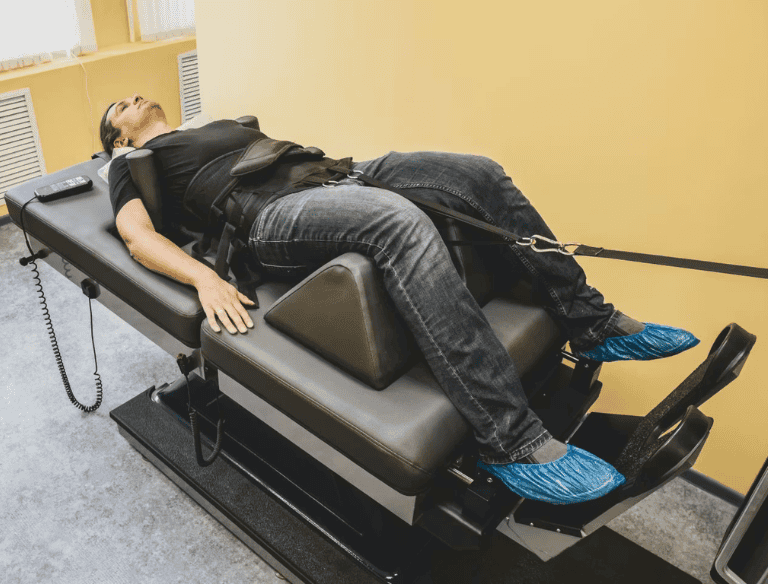
TRACTION
Used to treat sciatica, herniated discs, pinched nerves, Spinal traction is a form of decompression therapy that relieves pressure on the spine.
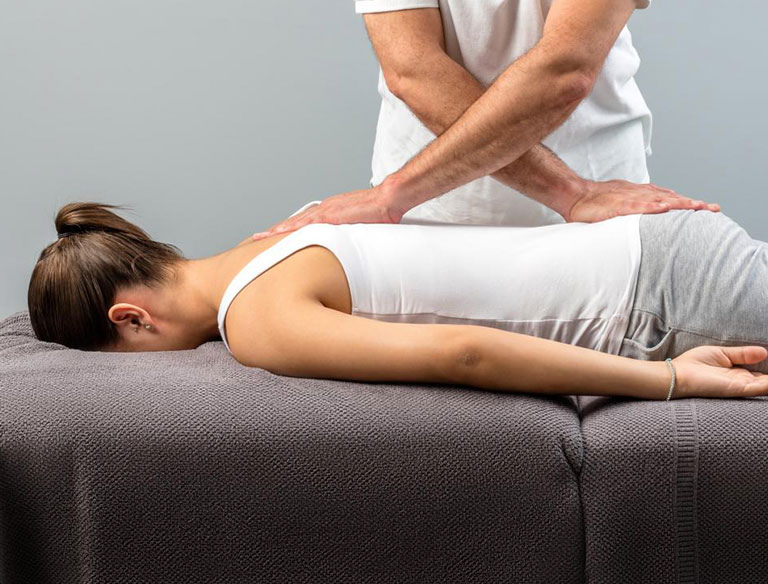
SPINAL DECOMPRESSION
Therapy used to reduce back and/or leg pain. It stretches and relaxes the spine intermittently in a controlled manner.

KINESIO TAPING/STRAPPING
Decrease pain, Decrease swelling, Retrain muscles.

BRACING
Improves walking problems, Promotes stability of knees, back, neck, etc.
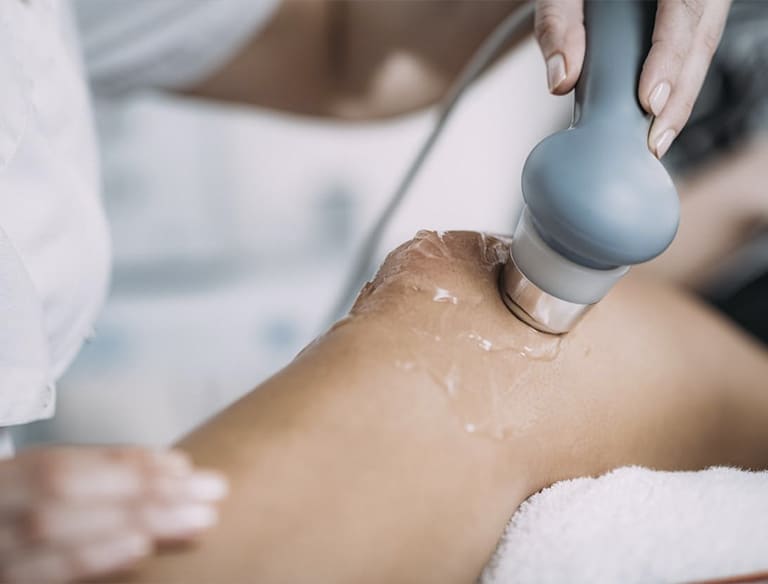
ULTRASOUND
Rationale: Rule out or confirm inflammation, contracture, swelling or tearing of soft tissue, Imaging internal organs that are suspect of disease, Monitor treatment progress, maximum improvement or permanent impairment
Treatment: Physical Medicine, Rehabilitation, Exercises, Nutritional, Medication, Injections, Possible referral
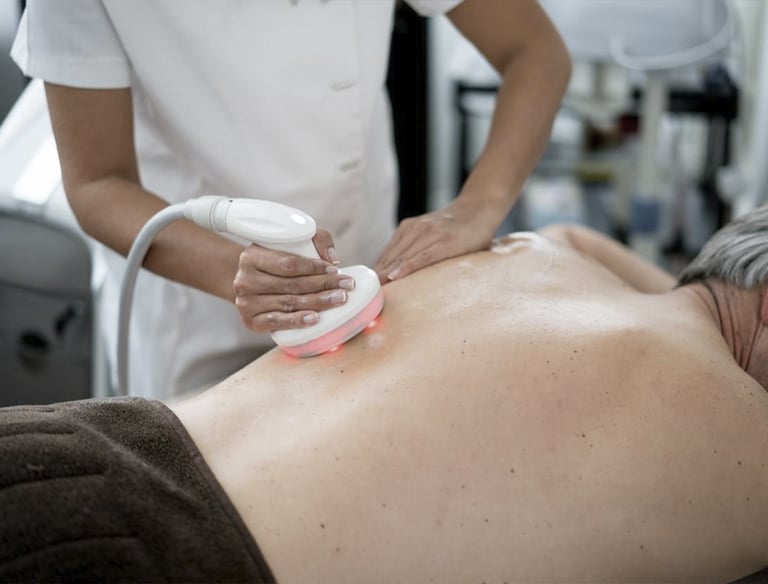
COLD LASER THERAPY
Cold laser therapy is used to reduce pain, swelling and spasms. It is a handheld device that emits light energy that cells use to heal injured tissue and reduce pain and inflammation.

RADIO PULSE FREQUENCY THERAPY
Used to treat pain from damaged or irritated nerves. This therapy creates a controlled electrical field around an electrode, normally the shape and size of a needle, which is then placed through the skin to a nerve, blocking the pain signals.

ISOKINETIC EXERCISE
Rationale: Rule out or confirm muscle weakness and establish baseline from muscle or nerve injury, Monitor treatment progress, maximize improvement or permanent impairment.
Treatment: Exercises, Muscle/Nerve rehab and retraining, Severe sprain may require referral
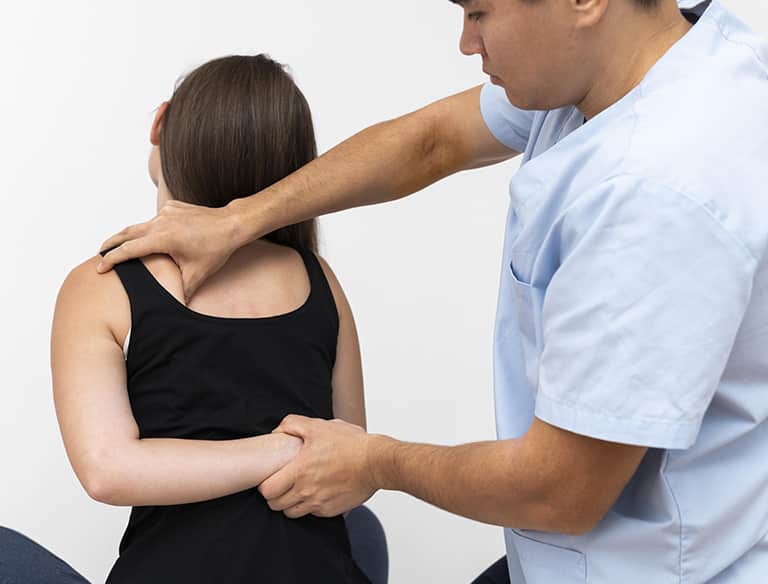
THERAPEUTIC EXERCISE
Therapeutic exercises are prescribed to correct an impairment, improve musculoskeletal function, or maintain a state of well-being. They have many goals such as improving circulation, coordination and balance.
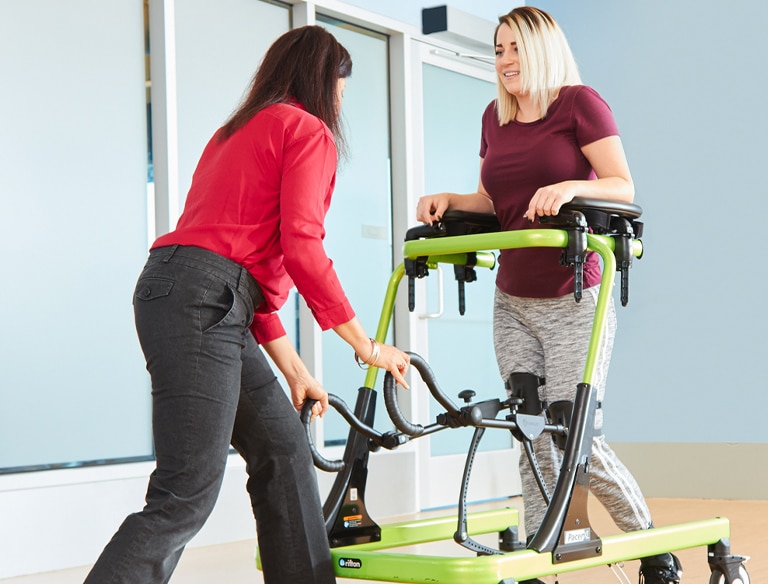
GAIT TRAINING
Corrects walking impairments, Decreases reoccurrence, Improves biomechanics
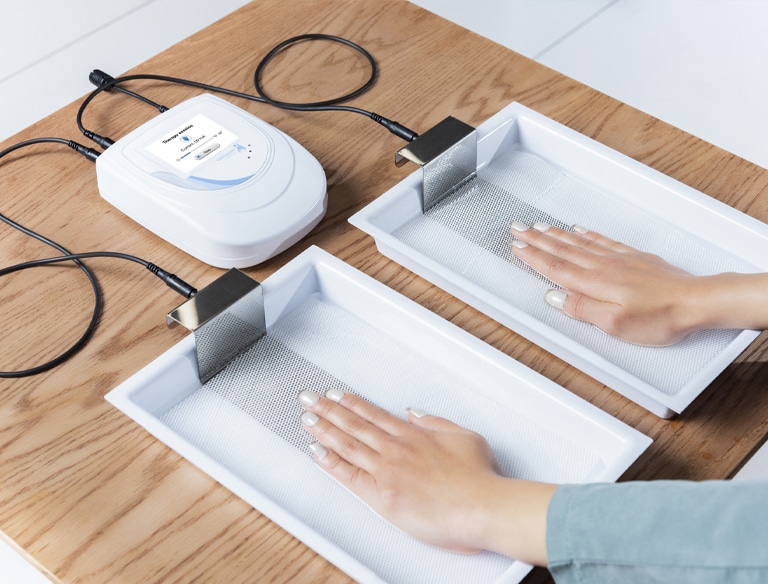
IONTOPHORESIS
Medication used with electrical stimulation for pain relief of soft tissue injuries, Decrease swelling.

GRASTON TECHNIQUE
This is a form of manual therapy used to reduce pain and increase function by breaking down scar tissue and reducing restrictions.

CUSTOM ORTHOTICS
Biochemical medical appliance, custom made to align the foot and ankle
*Note: Although you can receive Physical Therapy solely, our experts found that patients who combine their care with our other services reach maximum medical improvement faster and maintain results longer. Physical Therapy is best coupled with Chiropractic Care and Acupuncture, for many conditions. Physical Therapists help increase flexibility and lymph flow while building strong muscles to maintain proper structure, while Chiropractors help increase joint mobility and increase nerve function and Acupuncturists reduce physical and mental stress by stimulating nerve function. Ask us now if coupled treatment is right for you.
Call us at (973) 627-7888 or request an appointment here

SERVICES
Service Areas
CONDITIONS
CONTACT INFO
161 East Main Street, Route 53, Denville, New Jersey 07834
(973) 627-7040
OPENING HOURS
- Mon 9:00am-2:00pm – 3:00pm-7:00pm
- Tue 9:00am-1:30pm – 3:00pm-7:00pm
- Wed 9:00am-2:00pm – 3:00pm-7:00pm
- Thu 9:00am-2:00pm – 3:00pm-7:00pm
- Fri 9:00am-2:00pm – 3:00pm-7:00pm
- Sat 9:00am – 1:00pm
- Sun Closed