PHONE: 973-627-7888OPENING HOURS: MONDAY-FRIDAY 9:00am-7:00pm, SATURDAY 9:00am-1:00pm
Myths-About-Sciatica-1200x840.jpg

April 9, 2023

Most adults in the U.S. have heard of the term “sciatica.” Unfortunately, due to endless and often incorrect information found on the internet, many people use the term loosely and consider it an illness. Sciatica is actually a group of symptoms often caused by a spinal condition that can manifest in many ways, including pain and numbness in the lower back and legs.

There are many conditions and injuries that can cause sciatica. Some are more severe than others, but as a condition, sciatica can often be treated at sports rehab clinics like Denville Medical. To help further educate and clarify misconceptions about sciatica, let’s take a look at some general myths surrounding this common, albeit debilitating symptom.

Myth 1: Surgical Procedures Are the Only Solutions for Sciatica

At Denville Medical, our mission as a medical center is to help as many people as possible avoid unnecessary surgery and medication by promoting natural healing in order to reach maximum medical improvement. We apply this approach to sciatica, too, because surgery is often the last step you should take for long-term sciatic relief. You’re probably wondering, “How can sciatica be treated non-surgically?” The answer to that question will change depending on the patient.

If you have been feeling the symptoms of sciatica for a few days, you can often get relief by stretching, taking anti-inflammatory meds, or using cold/hot packs. If you have experienced stabbing lower back pain for several weeks, a combination of treatments such as chiropractic care, physical therapy, and acupuncture may be best.

Myth 2: Only Overweight and Sedentary People Get Sciatica

Some people believe that only non-active, overweight people suffer from sciatica because they don’t exercise or take care of their bodies. In reality, anyone can feel the effects of sciatica – even the healthiest, most athletic people in the world. While it’s true that being obese is a risk factor for sciatica as it puts more pressure on the spine, vigorous bouts of exercising or athletic activities can cause back injuries. Back injuries like herniated discs are known to cause long-term symptoms like sciatica.

Myth 3: Any Type of Stabbing Leg Pain is Sciatica

People interpret sciatica in different ways. During their initial exam, some patients point to their lower back or thigh to let our doctors know that’s where they feel pain. However, shooting pain down the back of your leg doesn’t always come from a compressed region in your back. Other issues, like injuries and lifestyle choices, may cause shooting leg pain. If you are concerned you have sciatica because of leg pain, it’s best to get checked out to be sure. At Denville Medical, our sports rehab professionals and medical doctors can narrow down the source of your leg pain and provide a non-surgical solution for pain relief.

Myth 4: You Can’t Stay in Shape When You Have Sciatica

It makes sense that exercising and staying in shape can be more difficult when you suffer from sciatica. If you’re familiar with sciatica pain, putting in a full session of cardio might sound terrible because of symptoms like intense lower back pain or numbness in your feet and legs. But having sciatica doesn’t mean you have to give up on your fitness routine. Before giving up on staying in shape, be sure to consult with a medical professional first. Many patients at Denville Medical are able to continue their fitness regimen by making tweaks and adjustments until pain relief is addressed.

Sciatica Relief Is in Sight at Denville Medical

At Denville Medical, our doctors and physical therapy specialists take a comprehensive, holistic approach to treating sciatica – one that relies on exercise, chiropractic care, physical therapy, acupuncture and in some cases, spinal injections. We will do everything in our power to help you avoid the risks and recovery time associated with surgery. Unlike many medical and sports rehabilitation centers, we provide notable care under one roof, allowing providers of different service lines to effectively communicate and easily customize your sciatica treatment plan.

If you’re suffering from symptoms like numbness, tingling, or shooting leg pain, and you suspect it could be due to sciatica, our team can help. Contact Denville Medical today to schedule your initial consultation.

elder-man.jpg

June 8, 2022

What Is Happening?

Joint pain and body aches are commonly associated with those over 50, but as the hotter weather continues to come through, people in their 20’s and 30’s begin experiencing more and more pain related symptoms throughout their body.

Reasons Why You May Have Joint Pain:

  1. Dehydration – If you do not drink enough water throughout the day, you can expect to feel more sluggish and dehydrated. Water plays a very important role in our body, especially with the connective tissues surrounding our joints. Water helps nutrients move easily through the bloodstream and into your joints.
  2. Heat Cramping – Cramps in hotter weather last much longer than those which occur in cooler temperatures. Many people experience cramping when they exercise as it signals excessive strain on particular muscles. When we sweat, we lose electrolytes which hold minerals such as potassium sodium, calcium, and magnesium in order for our muscle to function correctly.
  3. Humidity – Our joints have baroreceptors, which are located in our joints and help our joints respond to changes in atmospheric pressure. As air pressure changes, the fluid causes our joints to decrease causing the joints to be stiff and cause pain.
  4. Vasodilation – Do you find your legs starting to ache when it’s warm outside? This is called vasodilation. When our body’s temperature increases our veins enlarge in size in order to increase blood flow to the skin, cool the body and circulate heat away from the central organs. However, as heart rate increases, some may accumulate fluid in the legs which can cause a lot of discomfort.


What can help with Joint Pain:


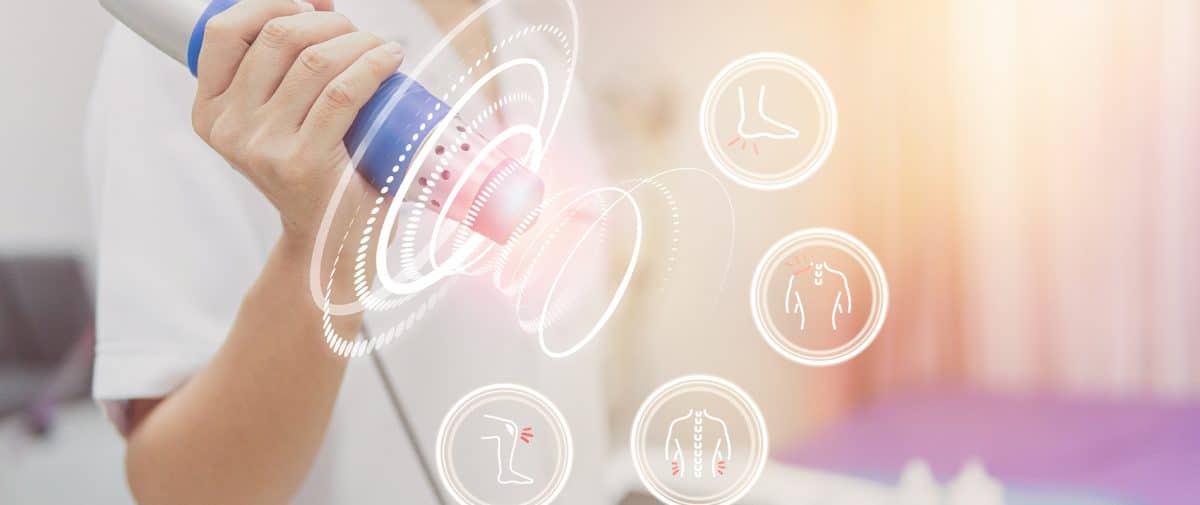
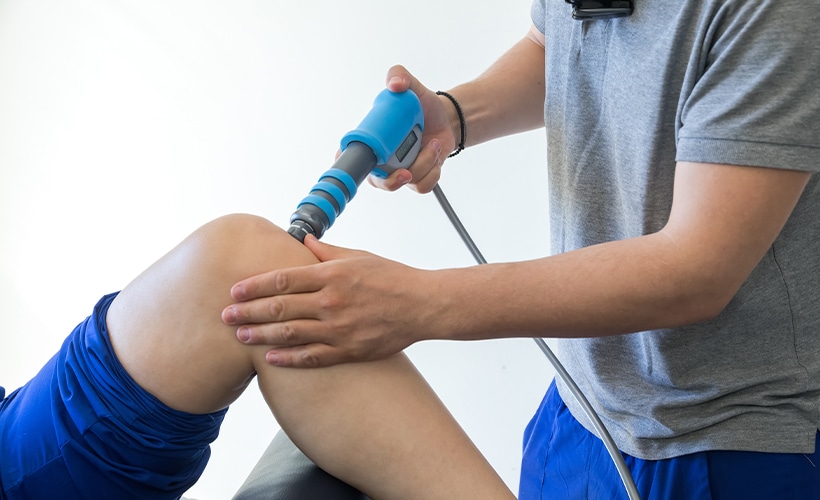
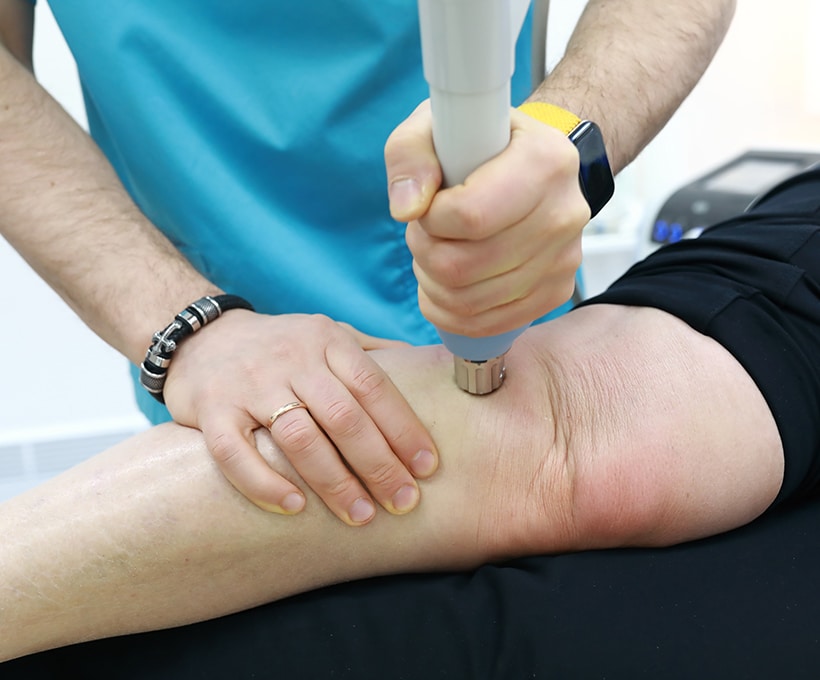
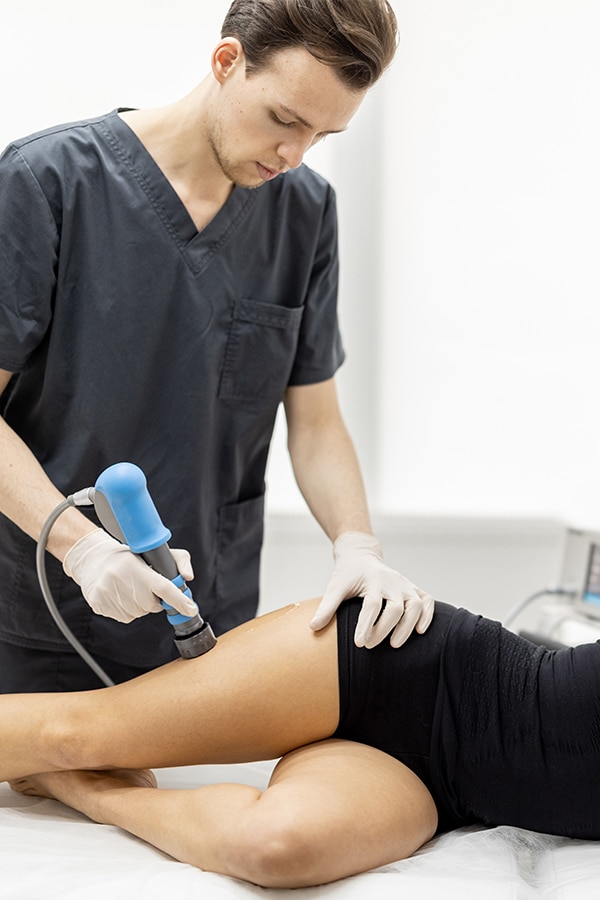
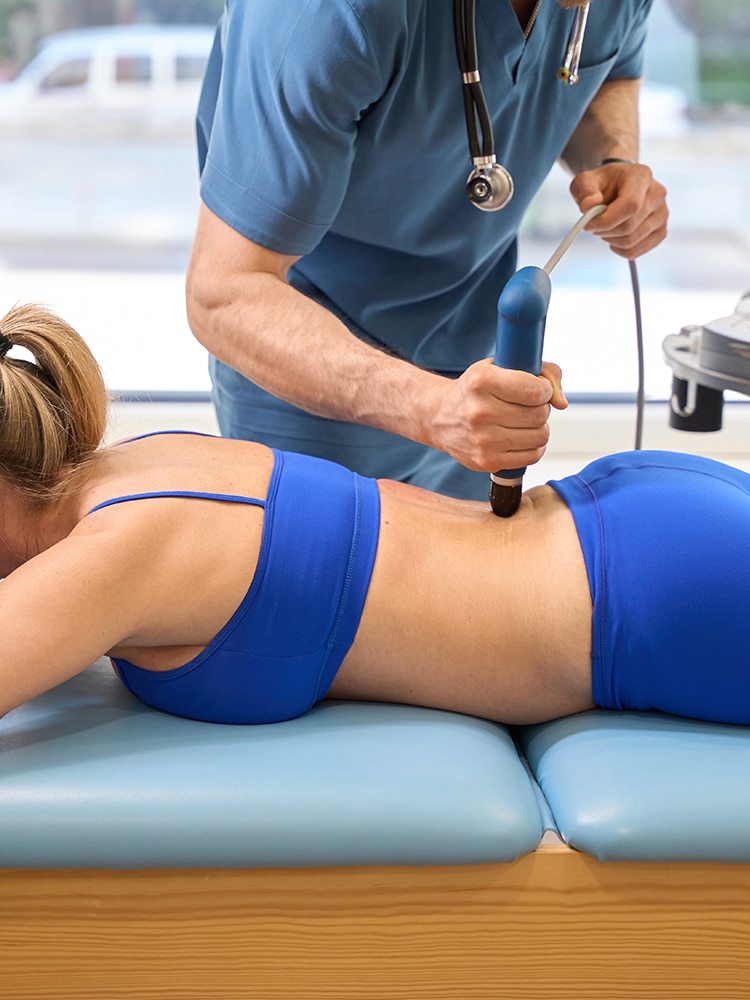
  1. Physical Therapy – Physical Therapists at Denville Medical have advanced techniques and equipment to really dig deep and break up adhesions and scar tissues within connective tissues to help allow fluid to flow more easily throughout the body. Try out our advanced therapies; EPAT, High Volt Ultrasound, and Cold Laser.
  2. Chiropractic Care – You may not know this, but one of the goals of a chiropractor is to make sure blood and fluids flow effortlessly throughout the body. This is why they are so keen on adjusting and realigning the body so they can remove any impingements that may be preventing the body from proper flow of fluids.
  3. Acupuncture – Cupping, needling and seeding are great ways to remove toxins from the body. This will increase the concentration amount of well needed vitamins, minerals and nutrients in the blood so your body can absorb the nutrients it really needs.


If we could offer you one piece of advice, it would be not to settle for mediocre medical treatment and therapeutic options. If you’re looking for a team of doctors and therapists who work together and take an interdisciplinary approach to healing, Denville Medical & Sports Rehabilitation is here for you. Contact our office today to learn more about how we can help you achieve your physical therapy goals and live your life, pain-free.

Gait-training.jpg

May 30, 2022

For someone who has trouble walking and standing, gait training is a type of therapy which helps to improve their balance. If you have trouble getting around, gait training can help you regain your independence, even if you have an adaptive device.

Gait training helps with:

  • Joint and muscle strength
  • Posture and balance improvement
  • Endurance
  • Advancing muscle memory
  • Repetitive motion training
  • Reducing risks of falls
  • Increasing mobility

Who can best benefit from gait training?

If standing and walking are troublesome to do independently, gait training may be one of the best recommendations from a doctor. There are multiple conditions which influence one’s ability to walk independently. These include, but are not limited to:

  • Injuries to the spine
  • Fractures or broken bones in the legs or pelvis
  • Joint degradation, injuries, or surgeries
  • Strokes, brain injuries and other neurological conditions
  • Muscular Dystrophy and other musculoskeletal disorders

What can I expect from gait training?

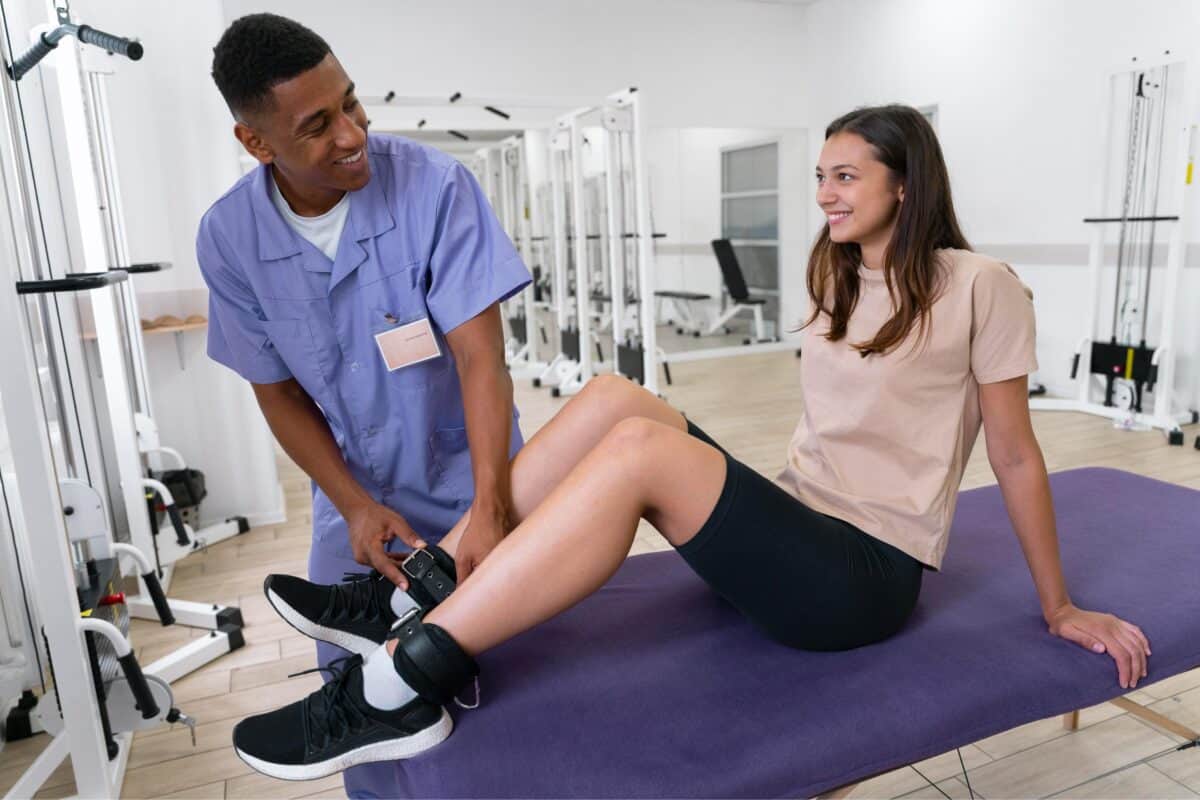
Gait training typically uses machines, weights, and resistance to aid an individual to walk or stand. For instance, one may walk the treadmill with assistance or a harness. In addition, muscle strengthening exercises, coupled with physical therapy, will allow individuals to step over objects, lift their legs, sit and stand, and other activities.

The type of exercise, as well as the intensity and duration of training all depends on each individual patient’s specific condition, physical abilities, and goals.

To find out if gait training is right for you, schedule an appointment with one of our experienced physical therapists. Click here to have our office reach out to you or call us directly at (973) 627-7888.

Want to hear about our patients’ experiences with Denville Medical? Click here.

Kinesio-Taping.jpg

April 12, 2022

As the weather begins to warm in New Jersey, we are more inclined to take part in outdoor physical activities. This can include longer walks, jogging, or playing sports.

RADIO-PULSE-FREQUENCY-THERAPY.jpg

February 28, 2022

Radiofrequency Ablation (RFA) is a pain control technique which uses heat generated by radiofrequency waves to target specific nerves and interrupt their ability to send or block nerve pain signals for up to a year. It can provide lasting relief for people with chronic pain, especially in the lower back, neck and arthritic joints.

IV-Therapy.jpg

February 28, 2022

Radiofrequency Ablation (RFA) is a pain control technique which uses heat generated by radiofrequency waves to target specific nerves and interrupt their ability to send or block nerve pain signals for up to a year. It can provide lasting relief for people with chronic pain, especially in the lower back, neck and arthritic joints.

TENS-UNIT.jpg

February 28, 2022

Radiofrequency Ablation (RFA) is a pain control technique which uses heat generated by radiofrequency waves to target specific nerves and interrupt their ability to send or block nerve pain signals for up to a year. It can provide lasting relief for people with chronic pain, especially in the lower back, neck and arthritic joints.

© Copyright 2022 Denville Medical. Privacy Policy | Terms & Conditions