
Return-to-Play Protocols After ACL or Rotator Cuff Injury in Denville
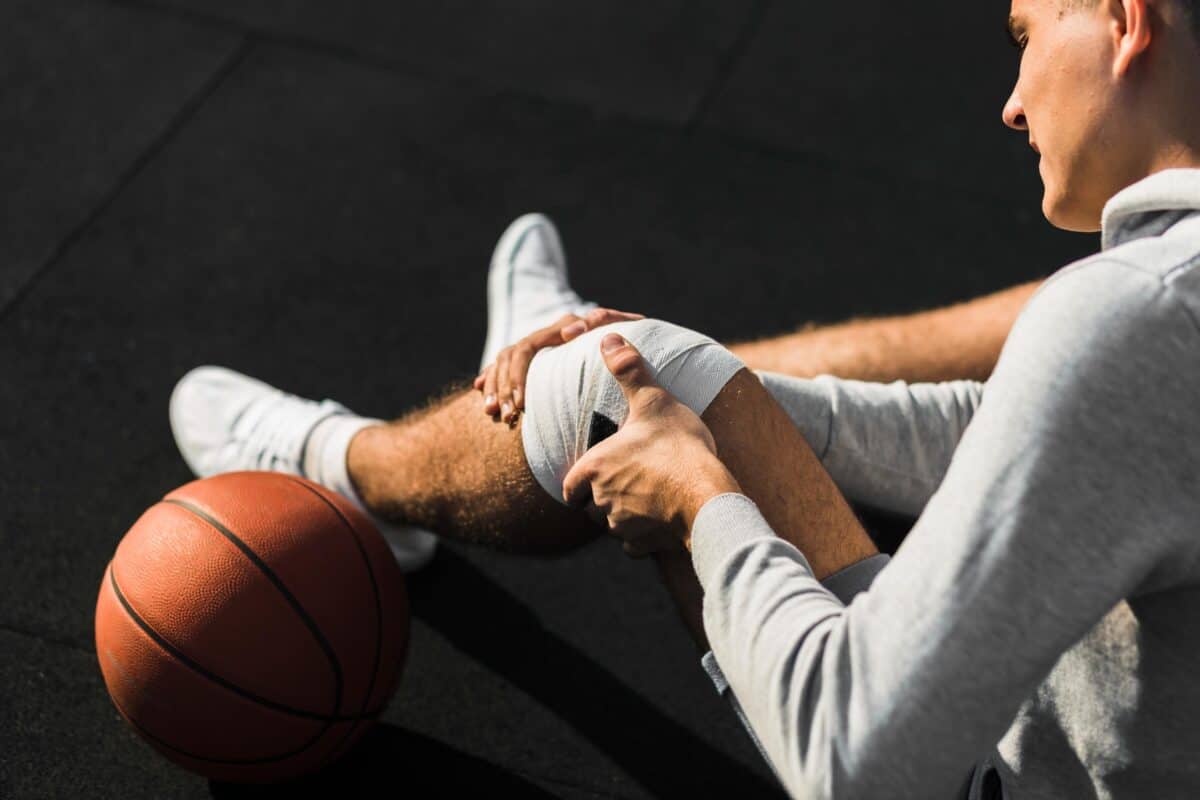
An ACL tear or rotator cuff injury does not always mean surgery or the end of a season. It does mean the athlete needs a clear plan before returning to full activity. At Denville Medical & Sports Rehabilitation Center, trusted injury recovery care means rebuilding strength, restoring movement, and making sure the body is ready before the athlete gets back on the field, court, or track.
Feeling better is not the same as being ready. A safe return takes testing, progression, and a plan built around the injury and the sport.
What Return-to-Play Really Means
Return-to-play is not based only on pain.
An athlete may feel fine walking around or doing light activity, but that does not mean the knee or shoulder is ready for competition. Sports require speed, power, balance, coordination, and quick reactions.
For an ACL injury, that may mean cutting, jumping, landing, sprinting, and changing direction. For a rotator cuff injury, it may mean throwing, lifting, reaching overhead, swimming, serving, or absorbing contact.
Before an athlete is cleared, the injured area needs to heal, the surrounding muscles need to protect it, and the athlete needs to move at full intensity without compensation.
ACL Rehab: Rebuilding the Knee Step by Step
ACL injuries vary. Some partial injuries may respond to physical therapy without surgery. Complete tears may require reconstruction.
Either way, rehab has to move in stages.
The first stage focuses on reducing swelling, restoring range of motion, and getting the quadriceps working again. Once the knee is moving better, therapy progresses into strengthening the quads, hamstrings, hips, and core.
These muscle groups help protect the knee when the athlete runs, jumps, lands, or changes direction.
Later stages include balance work, agility drills, running progression, jumping mechanics, cutting drills, and sport-specific movement.
At our center, athletes do not move forward just because a certain number of weeks have passed. They progress when they meet the strength and movement goals for that stage.
Rotator Cuff Recovery: Getting the Shoulder Ready for Sport
The rotator cuff helps stabilize the shoulder and control overhead movement.
An injury can range from a mild strain to a partial tear or a full-thickness tear. Some injuries can be treated with therapy. Others may need surgery.
For non-surgical rotator cuff injuries, therapy usually starts with pain control and protection. Then the focus shifts to shoulder mobility, rotator cuff strength, shoulder blade control, and eventually the movements needed for that athlete’s sport.
For surgical repairs, the early phase is more restricted. The repair needs time to heal before active strengthening begins. Doing too much too soon can put the repair at risk.
The goal is to rebuild the shoulder in a way that supports real activity, not just daily movement.
Why the Rest of the Body Matters
An ACL or rotator cuff injury rarely affects only one joint.
After a knee injury, athletes often compensate through the hips, low back, or opposite leg. After a shoulder injury, the neck, upper back, ribs, and shoulder blade can become stiff or overloaded.
If those patterns are ignored, they can slow recovery or increase the risk of another injury.
Physical therapy focuses on strength, movement, and sport-specific function. Chiropractic care may also help when joint restrictions or compensations are affecting the athlete’s mechanics.
At Denville Medical & Sports Rehabilitation Center, our physical therapy and chiropractic teams work together when appropriate. Dr. Derrick Lawlor and Dr. Dawn Klose, who have more than 25 years of clinical experience, help address the movement issues that can develop around the injury.
Objective Testing Before Clearance
Athletes should not be cleared just because they want to return or because enough time has passed.
Return-to-play decisions should be based on objective measures. That may include strength testing, balance testing, movement assessments, agility drills, and comparisons between the injured and uninjured sides.
In many cases, the recovering side should perform close to the uninjured side before full return is considered.
The athlete should also be able to move at game speed without pain, instability, hesitation, or compensation.
Confidence matters too. After a serious injury, some athletes hesitate during movements they used to do without thinking. That hesitation can change mechanics and raise the risk of re-injury. The final phase of rehab should help rebuild both physical readiness and confidence.
A Plan Built Around the Athlete
Every sport places different demands on the body.
A soccer player returning from an ACL injury needs different preparation than a basketball player, lacrosse player, runner, or dancer. A baseball player with a rotator cuff injury needs a different shoulder progression than a swimmer, tennis player, or weightlifter.
That is why return-to-play planning has to be individualized.
Our sports medicine and physical therapy teams build each plan around the injury, the athlete’s sport, position, age, goals, and current clinical findings. The process is physician-directed from evaluation through clearance.
Return Safely, Not Just Quickly
The goal is not to rush back. The goal is to come back prepared.
A strong return-to-play protocol helps athletes rebuild strength, mobility, control, endurance, and confidence while lowering the risk of re-injury.
For athletes in Denville and across Morris County recovering from an ACL or rotator cuff injury, Denville Medical & Sports Rehabilitation Center can evaluate the injury and build a structured recovery plan for a safer return to activity.
Related Topics: