When Varicose Veins Are More Than a Cosmetic Problem
Most people notice varicose veins because of how they look. The twisted, raised appearance along the legs is hard to miss, and for a lot of patients, the initial concern is aesthetic. But varicose veins are a circulatory issue first, and the symptoms that come with them, leg pain, heaviness, swelling around the ankles, and a persistent aching that gets worse after standing, are signs that blood flow through the affected leg is not working the way it should.
Left unaddressed, vein disease can progress. Chronic venous insufficiency develops when the valves inside leg veins stop functioning properly, allowing blood to pool in the lower extremities instead of returning efficiently to the heart. That pooling is what causes the visible veins, but it also contributes to skin changes, ulceration in severe cases, and an increased risk of blood clots. Getting a proper evaluation from trusted vein surgery specialists in Denville, NJ, before the condition advances is the most straightforward way to avoid those complications.
Understanding What Is Actually Happening Inside the Vein
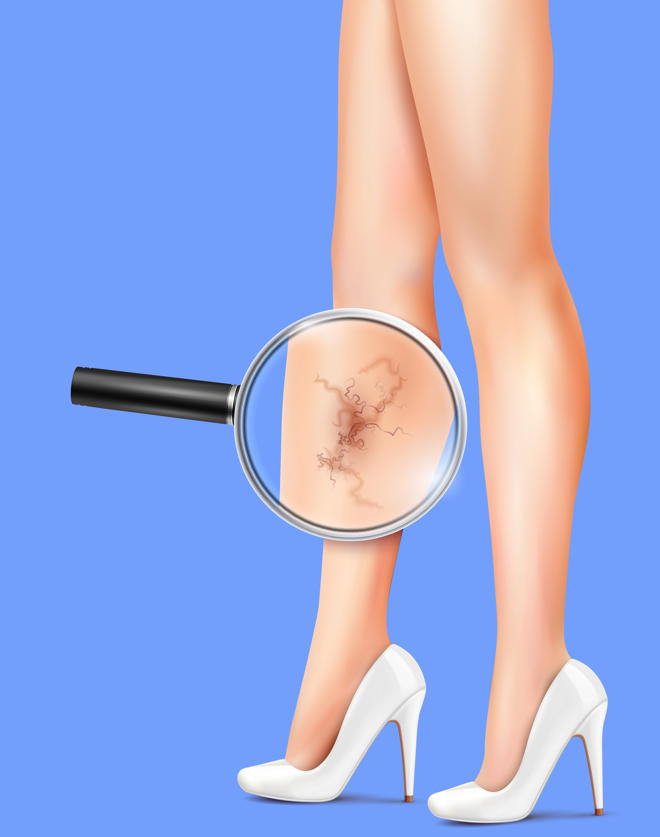
Healthy veins rely on one-way valves to keep blood moving in the right direction. When those valves weaken or fail, blood flows backward and accumulates in the vein, causing the walls to stretch and bulge outward. That is how a varicose vein forms. The affected vein is not just cosmetically different. It is a diseased vein that is no longer doing its job properly, and the surrounding tissue feels the effects of that dysfunction over time.
Spider veins are a related but less severe version of the same problem. They appear closer to the skin surface, tend to be smaller, and are more commonly associated with cosmetic concerns than significant circulatory symptoms. That said, their presence can indicate underlying vein problems worth evaluating, particularly when they appear alongside leg pain or swelling.
Obesity, prolonged standing, pregnancy, and family history are among the most common contributing factors to vein disease. Environmental factors and lifestyle both play a role in how quickly the condition develops and how severe it becomes, which is why a full assessment of a patient’s health history is part of any proper vein evaluation.
Minimally Invasive Vein Treatments
Vein surgery has changed significantly over the past two decades. The traditional approach, vein stripping, involved making incisions to physically remove the affected vein under general anesthesia, with a recovery period that kept patients off their feet for an extended stretch. Most patients treated today do not need anything close to that. Minimally invasive procedures have replaced open surgery for the majority of varicose vein cases, and the outcomes are comparable with considerably less disruption compared to traditional surgical removal.
Radiofrequency ablation is one of the more widely used approaches. A catheter is guided into the affected vein using ultrasound imaging, and radiofrequency energy is delivered through the catheter to heat the vein wall. That thermal energy causes the vein to collapse and seal. Blood flow naturally reroutes through healthier vessels, and the body absorbs the closed vein over time. The procedure is performed under local anesthesia, and most patients are able to resume light activity relatively soon after treatment compared to the extended downtime that traditional vein stripping requires.
Laser treatment works on a similar principle, using laser energy delivered through a laser fiber to achieve the same outcome of closing the diseased vein. Both radiofrequency ablation and laser-based approaches carry a low risk of complications compared to surgical vein removal, and neither requires general anesthesia in most cases.
What to Expect Before, During, and After Treatment
The evaluation process starts with a physical assessment and ultrasound imaging to map the affected veins and understand the extent of the insufficiency. That imaging is important because it tells the vein specialist exactly which vessels are involved and guides the treatment approach. Not every varicose vein requires the same intervention, and a thorough diagnostic picture is what separates an effective treatment plan from a generic one.
Before any procedure, patients are typically advised to use compression stockings as part of conservative management. Compression therapy helps reduce swelling, supports normal blood flow, and in some cases improves symptoms enough that a procedure can be approached with more information about how the vein is responding. It is also a standard requirement from most insurance providers before interventional treatment is approved.
During the procedure itself, local anesthesia keeps the patient comfortable, and the minimally invasive nature of the treatment means a small incision or entry point rather than a significant surgical site. Strenuous activity and prolonged standing are typically restricted for a brief window after treatment to allow the treated vessels to respond properly, and the care team will provide specific guidance based on how the procedure went.
Conditions Treated Through Vein Surgery and Intervention
Vein treatments address a range of venous conditions beyond visible varicose veins. Chronic venous insufficiency, recurring leg swelling, skin changes caused by poor circulation, and certain cases involving blood clots all fall within the scope of what a vein specialist evaluates and manages.
Some of the conditions and symptoms that commonly lead patients to seek vein care include:
- Varicose veins causing leg pain, heaviness, or visible bulging along the lower extremities
- Spider veins with associated discomfort or cosmetic concerns
- Chronic venous insufficiency with persistent swelling and skin changes
- Leg pain that worsens after prolonged standing or sitting
- Ankle swelling that does not resolve with rest or elevation
- Skin discoloration or texture changes around the lower leg and ankle
- Situations where compression stockings alone have not provided adequate relief
Each of these presentations gets evaluated on its own terms. The treatment plan is built around what the diagnostic imaging shows and what the patient is actually experiencing, not a predetermined path applied to every vein patient regardless of severity.
Possible Complications and What to Watch For
Any medical procedure carries some level of risk, and vein treatments are no exception. The most common complications associated with minimally invasive vein procedures include bruising, temporary discomfort along the treated area, and minor swelling that resolves within a short period. Allergic reactions to the local anesthesia are rare but possible, and patients with known sensitivities should discuss that with their provider before the procedure.
More serious complications, including blood clots, bleeding, or nerve irritation near the treatment site, are uncommon with modern minimally invasive approaches but are part of the informed consent conversation that happens before any procedure. A qualified vein specialist will go through possible complications in detail, answer questions honestly, and make sure the patient understands both the expected course of recovery and the signs that would warrant a follow-up call.
Vein Care at Denville Medical Associates
Denville Medical Associates has Dr. Jiyong Ahn on the care team, who brings extensive experience in vein treatment and interventional procedures. His background includes faculty positions at Mount Sinai Medical Center and Albany Medical Center, as well as a role as Chief Interventional Radiologist at White Plains Hospital. That level of experience translates directly into the quality and precision of vein care available at this facility.
Vein treatment at Denville Medical Associates is approached with the same patient-focused philosophy that runs through the rest of the practice. The evaluation is thorough, the treatment plan is built around the individual, and the goal is always to restore healthy circulation and relieve symptoms in a way that fits the patient’s life. Call (973) 627-7888 to schedule a vein consultation, or book an appointment online through the Denville Medical Associates website.
Other Services We Offer:
SERVICES
Service Areas
CONDITIONS
CONTACT INFO
161 East Main Street, Route 53, Denville, New Jersey 07834
(973) 627-7040
OPENING HOURS
- Mon 9:00am-2:00pm – 3:00pm-7:00pm
- Tue 9:00am-1:30pm – 3:00pm-7:00pm
- Wed 9:00am-2:00pm – 3:00pm-7:00pm
- Thu 9:00am-2:00pm – 3:00pm-7:00pm
- Fri 9:00am-2:00pm – 3:00pm-7:00pm
- Sat 9:00am – 1:00pm
- Sun Closed