
How Non Surgical Spine Treatment Works
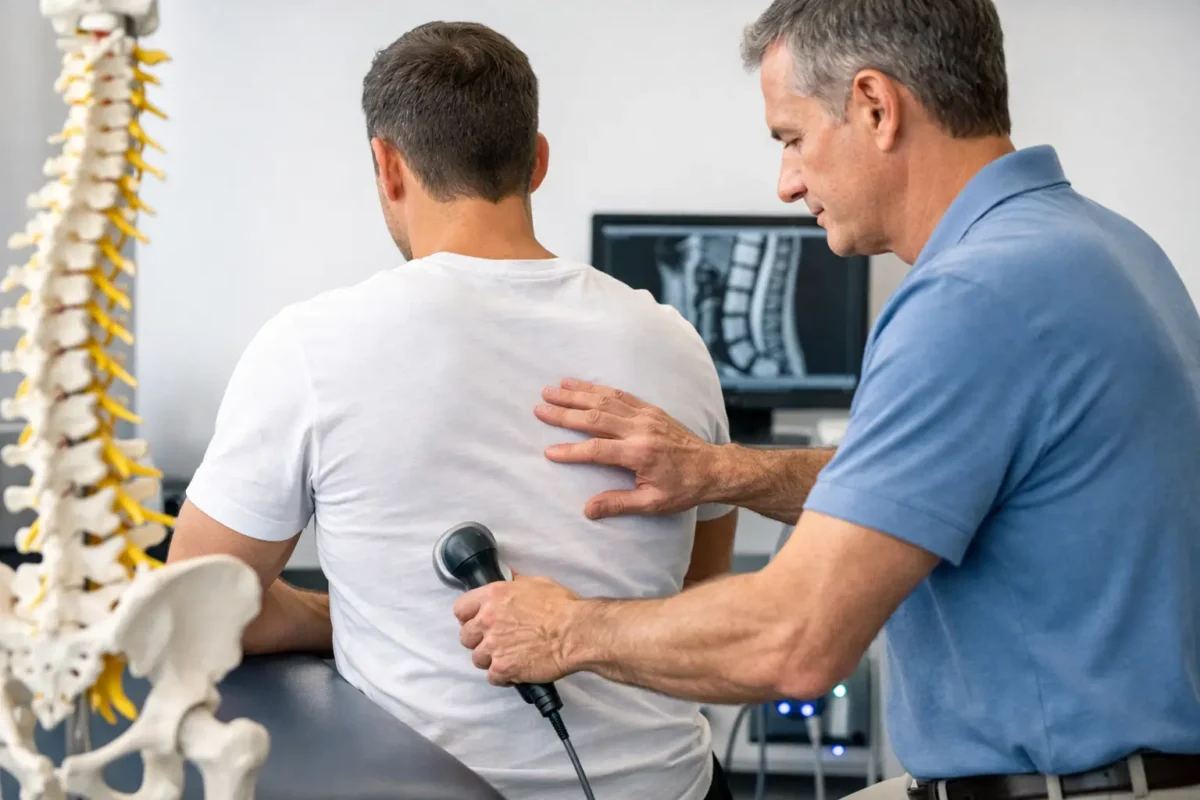
Back or neck pain rarely affects just one part of your day. It changes how you sit at work, how you sleep, how long you can drive, and even whether you feel comfortable picking up groceries or playing with your kids. That is why understanding how non surgical spine treatment works matters. For many patients, the best first step is not an operation. It is a coordinated plan that reduces pain, improves function, and addresses the cause of symptoms before surgery is even considered.
What non surgical spine treatment is really designed to do
Non surgical spine treatment is not a single procedure. It is a structured approach to care for spine-related pain, nerve irritation, stiffness, weakness, and movement limitations without going straight to surgery. The goal is not simply to mask symptoms for a few hours. The goal is to calm inflammation, improve spinal mechanics, support healing, and help you return to normal activity as safely and efficiently as possible.
That can apply to several conditions, including herniated discs, sciatica, spinal arthritis, degenerative disc disease, muscle strain, facet joint pain, spinal stenosis, and certain work or auto injury cases. It can also help patients whose imaging findings look serious on paper but whose symptoms may still respond well to conservative treatment.
A key point many patients miss is that pain intensity alone does not automatically mean surgery is necessary. Some people with severe pain improve with targeted outpatient care, while others with more moderate symptoms may need a different level of intervention because of weakness, numbness, balance changes, or progressive nerve compression. That is why evaluation comes first.
How non surgical spine treatment works from the first visit
The process usually begins with a detailed assessment, not a one-size-fits-all recommendation. A clinician looks at where the pain is located, how long it has been present, what movements make it worse, whether symptoms travel into the arms or legs, and whether there are red flags such as bowel or bladder changes, major trauma, fever, or rapidly worsening neurologic deficits.
The physical exam matters just as much as the conversation. Range of motion, reflexes, strength, sensation, posture, gait, and movement patterns help clarify whether the problem is primarily muscular, joint-related, disc-related, nerve-related, or a combination of several issues. If imaging is needed, it is used to support clinical decision-making rather than replace it.
That distinction matters because MRIs often show age-related changes that are not always the true source of pain. Treating the scan instead of the patient can lead to unnecessary procedures. Evidence-based spine care starts by matching findings to symptoms.
The main parts of a conservative spine care plan
Once the cause of symptoms is better defined, treatment is built around the patient’s specific diagnosis, daily demands, and recovery goals. For a working adult in Morris County, that may mean getting back to commuting and sitting comfortably. For an active older adult, it may mean walking without leg pain. For an athlete, it may mean restoring strength and movement without reinjury.
Physical therapy is often central to the plan. This is not just general stretching. A well-designed therapy program can improve core stability, hip and trunk strength, posture, flexibility, joint mobility, and movement control. Those changes reduce stress on irritated spinal structures and help prevent recurring flare-ups.
Pain management may also be part of care, especially when symptoms are severe enough to interfere with sleep, work, or participation in rehab. Depending on the diagnosis, this can include medication management, image-guided injections, or other targeted treatments intended to reduce inflammation around joints or nerves. These options are not meant to be shortcuts. They are often used to create a window of relief so the patient can move better and participate more effectively in rehabilitation.
Manual therapies may also help in the right setting. Chiropractic care, soft tissue work, and other hands-on techniques can reduce muscle tension, improve mobility, and decrease pain for some patients. Acupuncture may also be useful, especially when muscle guarding and chronic pain patterns are contributing to symptoms. The right mix depends on the diagnosis, symptom severity, and how the patient responds over time.
Why coordinated care often leads to better results
One of the biggest problems in spine care is fragmentation. A patient sees one provider for imaging, another for medication, another for physical therapy, and another for specialist input, with little communication between them. That can delay progress and lead to conflicting advice.
In an integrated outpatient setting such as Denville Medical Associates, specialists can collaborate around the same patient instead of working in parallel. A board-certified physician, pain management specialist, physical therapist, chiropractic provider, or spine specialist can adjust the plan based on the same clinical picture. That creates continuity and often shortens the time between evaluation and treatment.
For patients, this usually feels simpler. You do not have to repeat your history at every stop or wonder whether one provider knows what the other recommended. More importantly, coordinated care makes it easier to change course when needed. If therapy is helping but nerve pain remains high, the next step can be introduced without starting over.
How progress is measured
A good non surgical plan should be measurable. Pain scores are part of the picture, but they are not the whole picture. Function matters just as much.
Progress may look like sitting through a workday without severe pain, walking farther before symptoms start, sleeping through the night, regaining leg strength, or returning to exercise with better movement control. Some patients improve quickly in two to six weeks. Others, especially those with chronic degeneration or longstanding nerve irritation, need a longer course.
This is where realistic expectations matter. Non surgical treatment is effective for many spine conditions, but it is not magic. Relief can be gradual. Some treatments work best in combination, and plans often need adjustment along the way.
When non surgical spine treatment may not be enough
Understanding how non surgical spine treatment works also means understanding its limits. Conservative care is usually the right starting point, but there are situations where surgery needs to be discussed sooner.
If a patient has significant or worsening weakness, loss of coordination, severe nerve compression, spinal instability, or emergency neurologic symptoms, surgical evaluation may be appropriate. Some patients also complete a thoughtful course of non-invasive care and still have persistent pain or disability that makes daily life unmanageable.
That does not mean conservative care failed. In many cases, it clarified the diagnosis, improved baseline conditioning, and helped determine whether surgery is truly necessary. Even when surgery becomes part of the discussion, patients generally benefit from having explored less invasive options first unless there is an urgent reason not to.
Who tends to benefit most
Many adults with back or neck pain are good candidates for non surgical treatment, especially when symptoms are mechanical, inflammatory, or related to disc irritation without major neurologic loss. Patients with recent injuries, flare-ups of chronic pain, sciatica, postural strain, arthritis-related stiffness, and mild to moderate degenerative conditions often respond well.
Patients who do best are not necessarily the ones with the mildest symptoms. They are often the ones with a clear diagnosis, a personalized plan, and access to clinicians who communicate with each other. Consistency matters. So does timing. Starting treatment before pain patterns become deeply chronic can improve the odds of recovery.
What patients should look for in a spine provider
If you are deciding where to go, look for more than a single service. You want a team that can evaluate the full picture and explain why a specific treatment is being recommended. That includes knowing when therapy is the right first move, when injections may help, when complementary care makes sense, and when a surgical opinion should be part of the conversation.
The best spine care is careful, not rushed. It should feel medically grounded and personally relevant. You should understand your diagnosis, your options, and what improvement should look like over time.
For many patients, the most effective path is not choosing between comfort and clinical quality. It is finding coordinated outpatient care that offers both. When treatment is built around the actual cause of pain and adjusted as you improve, non surgical spine care can do more than reduce symptoms. It can help you move with more confidence, get back to your routine, and make decisions about your spine from a position of clarity rather than frustration.