
Knee Pain Without Surgery Treatment Options
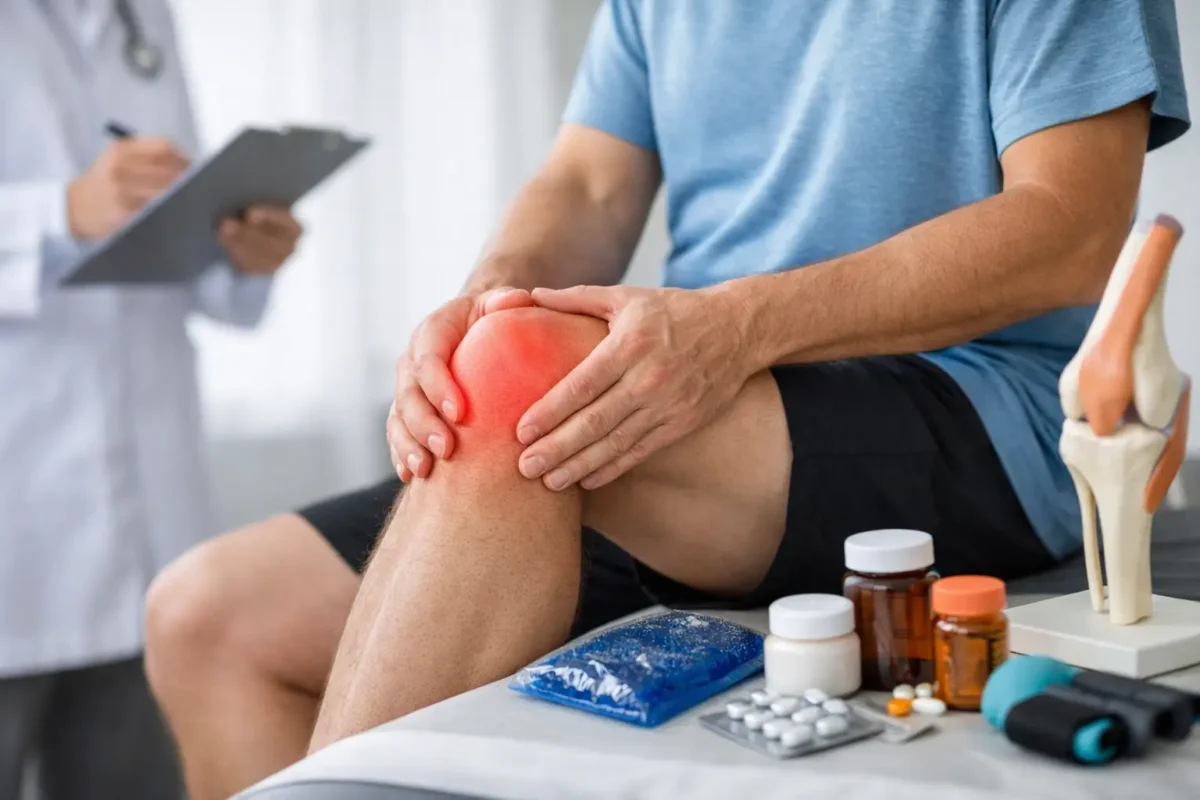
A knee that hurts on stairs, stiffens after sitting, or swells after a weekend walk can quickly change how you move through the day. For many people, knee pain without surgery is a realistic goal, but it starts with understanding what is causing the pain rather than simply trying to push through it or masking it with medication.
At Denville Medical Associates, conservative care begins with a careful evaluation of your symptoms, mobility, medical history, activity level, and imaging when appropriate. The goal is not to delay necessary treatment. It is to identify the least invasive approach that can safely reduce pain, restore function, and help you return to the activities that matter to you.
Why Knee Pain Is Not One Condition
The knee is a complex joint supported by cartilage, ligaments, tendons, muscles, and the kneecap. Pain in the same location can have very different causes, which is why a one-size-fits-all treatment plan often falls short.
Osteoarthritis is a common source of pain in adults over 50, although it can affect younger people after prior injuries. It occurs when the joint’s protective cartilage wears down over time, sometimes leading to aching, stiffness, swelling, and reduced range of motion. Pain may be worse after activity or prolonged sitting, and some people notice grinding or popping in the joint.
Other common causes include patellar tendinitis, bursitis, meniscus irritation or tears, ligament sprains, runner’s knee, muscle weakness around the hip and thigh, and pain referred from the low back or hip. A work injury, fall, sports injury, or motor vehicle accident can create a different set of concerns than gradual arthritis pain.
The right plan depends on the diagnosis. A person with early arthritis and weak quadriceps may improve substantially with targeted therapy, while someone with a locked knee after an acute injury may need more urgent orthopedic assessment. That distinction matters.
A Clear Diagnosis Guides Knee Pain Without Surgery
An effective evaluation goes beyond asking where it hurts. Your provider may assess gait, alignment, joint stability, range of motion, swelling, tenderness, muscle strength, and how the knee responds to specific movements. If imaging is needed, X-rays can help identify arthritis, alignment changes, or fractures. MRI may be considered when symptoms suggest damage to soft tissue structures such as a meniscus or ligament.
This process also helps rule out issues that should not be managed with routine home care. Sudden inability to bear weight, a visibly deformed joint, fever with a hot and swollen knee, significant calf swelling, or severe pain after trauma requires prompt medical attention. These symptoms can signal a fracture, infection, blood clot, or another urgent condition.
For non-emergency concerns, a coordinated outpatient setting can make the next steps more efficient. Rather than receiving disconnected recommendations from multiple offices, patients can have diagnostic findings, pain management options, rehabilitation needs, and specialist input considered as part of one treatment plan.
Conservative Treatments That Can Make a Meaningful Difference
Non-surgical care does not mean passive care. The most successful plans usually combine several approaches and adjust them based on your response over time.
Physical Therapy Builds Support Around the Joint
Physical therapy is often central to recovering from knee pain. A skilled therapist can identify movement patterns that overload the knee, then build a program that improves strength, flexibility, balance, and control.
The muscles of the quadriceps, hamstrings, calves, glutes, and hips all influence how force travels through the knee. Strengthening these areas may reduce strain on painful structures and make everyday tasks such as climbing stairs, standing from a chair, or walking on uneven ground more manageable. Therapy can also include manual techniques, gait training, and a practical home exercise program.
Progress should be individualized. An active runner may need a plan for gradually returning to mileage, while an older adult with arthritis may focus first on safer walking, improved stability, and confidence with daily movement. Some soreness during rehabilitation can be normal, but sharp pain, significant swelling, or worsening function should be discussed with the care team.
Activity Modification Protects Recovery Without Stopping Movement
When the knee is irritated, avoiding every form of activity can lead to more stiffness and weakness. The better approach is usually to modify the activity that aggravates symptoms while staying safely active.
For example, a person whose knee flares during high-impact running may temporarily transition to cycling, swimming, or an elliptical machine. Reducing deep squats, repeated kneeling, steep hills, or heavy lifting may give inflamed tissue time to settle. Small changes in footwear, workstation setup, and technique can also matter for people who stand or walk for work.
Rest has a role, particularly after an acute strain, but long periods of inactivity rarely solve the underlying issue. A provider can help establish the appropriate balance between protection and progressive movement.
Medication and Topical Options May Help Control Symptoms
Over-the-counter pain relievers or anti-inflammatory medications may provide short-term relief for some patients. Topical anti-inflammatory products can be useful when a person wants to limit systemic medication exposure. However, medication should be selected carefully, especially for people with kidney disease, stomach ulcers, heart conditions, high blood pressure, or those taking blood thinners.
Medication can make it easier to participate in therapy and daily activities, but it is usually most useful as one part of a broader plan. If you find that you need increasing amounts of pain medication just to function, it is time for a reassessment rather than simply continuing the same routine.
Injections Can Be Considered When Pain Limits Rehabilitation
For certain knee conditions, image-guided or clinically guided injections may help reduce inflammation and provide a window for meaningful rehabilitation. Corticosteroid injections may be considered for some people with significant inflammatory arthritis symptoms or persistent pain. Other injection options may be appropriate in selected cases depending on the diagnosis, severity of arthritis, prior treatment response, and insurance coverage.
Injections are not a permanent cure for worn cartilage or a structural tear. Their value is often in reducing symptoms enough to allow a patient to walk, sleep, work, and participate more fully in a strengthening program. Your physician should explain the expected benefit, possible risks, and how the injection fits into your overall recovery plan.
Complementary Therapies May Support a Comprehensive Plan
Some patients benefit from chiropractic care, acupuncture, or other complementary approaches as part of a medically coordinated strategy. These treatments may help address muscle tension, movement limitations, or pain perception, particularly when they are paired with exercise-based rehabilitation and an accurate diagnosis.
They should not replace an evaluation for a swollen, unstable, or acutely injured knee. Used appropriately, however, they can provide another non-invasive option for patients seeking relief while improving mobility and function.
When Surgery May Still Be the Right Recommendation
A non-surgical approach should be thorough, not endless. Surgery may become appropriate when there is a fracture, a complete ligament injury in a patient whose goals require reconstruction, a truly locked knee, severe structural damage, or persistent loss of function despite a well-executed course of conservative care.
Even then, preoperative therapy, pain management, and medical coordination can improve readiness for surgery and recovery afterward. The decision should be based on your symptoms, examination findings, imaging, health status, and personal goals – not pressure to choose the fastest or most aggressive option.
Getting Back to the Life You Want to Live
Recovery is measured by more than a pain score. For one patient, success may mean finishing a work shift without limping. For another, it may mean returning to pickleball, taking a grandchild to the park, or walking through downtown Denville without planning every stop.
A thoughtful plan for knee pain without surgery gives your joint the support, treatment, and time it needs while keeping a close watch on progress. If your knee pain is limiting your life, a timely evaluation can replace uncertainty with a practical path forward – one built around your comfort, mobility, and long-term goals.