
How Acupuncture Supports Injury Recovery
A strained back that makes it difficult to sit through a workday, a sprained ankle that still feels unstable weeks later, or a shoulder injury that interrupts sleep can make recovery feel frustratingly slow. Understanding how acupuncture supports injury recovery can help patients consider a conservative option that addresses pain and function while they heal. Used as part of a coordinated treatment plan, acupuncture may help reduce symptoms that otherwise interfere with rehabilitation, movement, and daily life.
Acupuncture is not a substitute for a proper diagnosis, imaging when appropriate, physical therapy, or specialist care. It is one tool within a broader recovery plan. For many patients with musculoskeletal injuries, that distinction matters: the goal is not simply to mask discomfort, but to control pain enough to restore safe movement and support measurable progress.
Why Pain Can Slow the Recovery Process
After an injury, pain is protective at first. It signals the body to avoid movements that could cause further harm. But persistent pain can also lead to guarded movement, muscle tension, poor sleep, and reduced activity. Over time, those responses can make it harder to rebuild strength, flexibility, balance, and confidence.
Consider a patient recovering from a sports-related knee injury or a motor vehicle accident. If pain makes it difficult to participate fully in prescribed exercises, progress may stall. If neck pain prevents restful sleep, fatigue can affect concentration, work, and tolerance for therapy. A successful recovery plan needs to account for both the underlying injury and the symptoms that limit participation in treatment.
Acupuncture may be considered when pain, tightness, or sensitivity is making it difficult to move comfortably. It is commonly used alongside medical evaluation and rehabilitation for conditions such as back and neck injuries, muscle strains, tendon irritation, joint pain, headaches related to neck tension, and some chronic pain patterns that persist after the initial injury has healed.
How Acupuncture Supports Injury Recovery
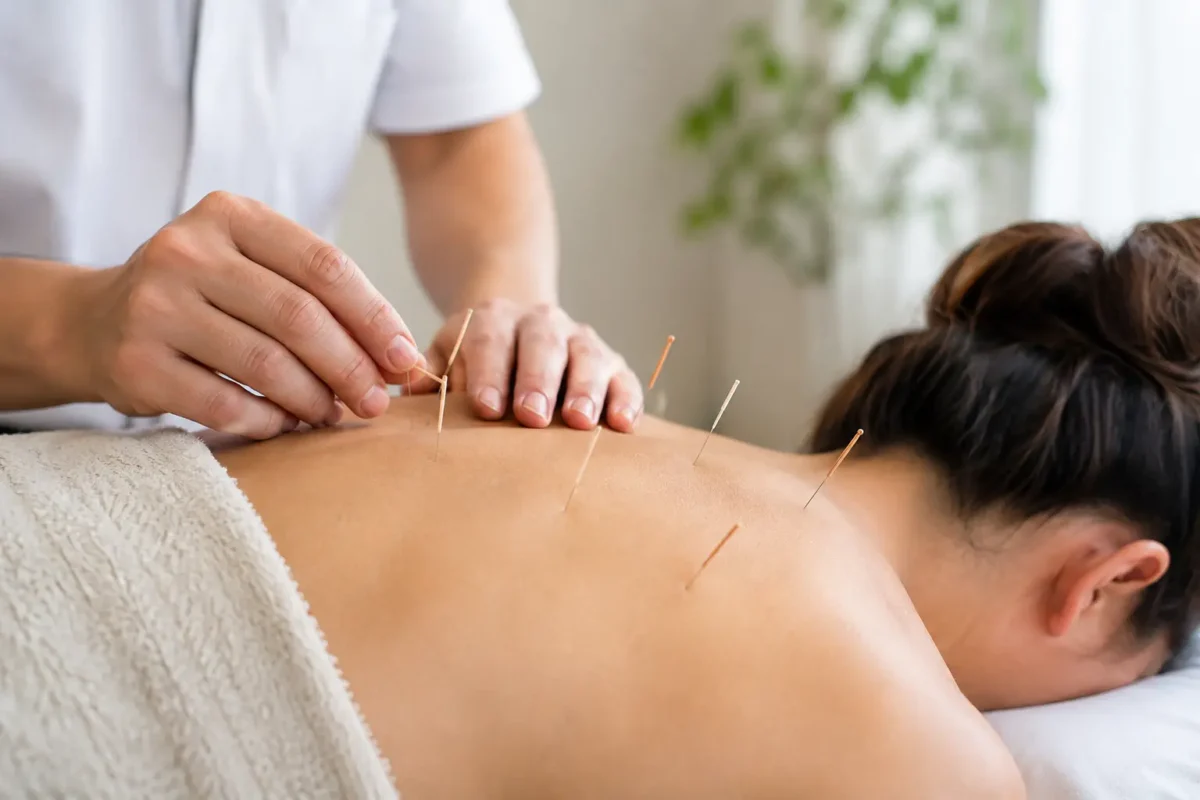
Acupuncture involves placing very thin, sterile needles at specific points on the body. During treatment, patients may feel a brief pinch, mild pressure, warmth, or a dull sensation around the needle. Most sessions are well tolerated, and many patients find the experience calming.
The exact response varies from person to person, but acupuncture may influence how the nervous system processes pain. Research suggests it can stimulate local tissues and affect signaling pathways involved in pain modulation. It may also encourage the release of natural chemicals associated with pain relief and relaxation. For a patient in recovery, this can mean less pain intensity, less muscle guarding, or an improved ability to tolerate movement.
That does not mean acupuncture repairs a torn ligament, resets a fracture, or replaces a surgical evaluation when one is needed. Structural injuries still require the right diagnosis and treatment. However, symptom relief can make a meaningful difference when a patient needs to complete physical therapy, return to normal walking mechanics, improve range of motion, or reduce reliance on pain medication.
Supporting Better Movement During Rehabilitation
Rehabilitation works best when it is progressive and consistent. A physical therapist may prescribe mobility work for a stiff shoulder, strengthening for an injured knee, or stabilization exercises for low back pain. Yet pain can cause patients to compensate, avoid certain movements, or stop exercises too soon.
When acupuncture helps reduce pain or muscle tension, some patients are better able to engage in their rehabilitation program. This is especially useful when treatment is coordinated. The acupuncture provider can understand which areas are limiting movement, while the physical therapist tracks strength, mobility, gait, and functional improvement. The patient receives care that is working toward the same practical goal: returning to the activities that matter, whether that is walking the dog, lifting at work, playing a sport, or getting through the day without constant discomfort.
Helping With Muscle Tension and Protective Guarding
Injuries often affect more than the site of impact. A painful ankle can change the way someone walks and create strain in the knee, hip, or low back. A shoulder injury may cause the neck and upper back muscles to tighten as the body tries to protect the area. These compensations can become painful in their own right.
Acupuncture may help address muscle tightness and discomfort in surrounding areas while the primary injury is being treated. The approach should remain individualized. Treating every painful area without understanding why it hurts can miss an important diagnosis. A coordinated team looks at the full pattern, including posture, strength deficits, joint mechanics, nerve symptoms, and the patient’s activity demands.
Supporting Sleep and Daily Function
Pain often becomes more difficult to manage when sleep is poor. Patients may wake when they roll onto an injured shoulder, struggle to find a comfortable position because of back pain, or feel increased stiffness first thing in the morning. Poor sleep can lower pain tolerance and make it harder to stay active.
Some patients report feeling more relaxed after acupuncture and may experience improvements in sleep quality as pain becomes easier to manage. Results are not guaranteed, and sleep disruption can have many causes. Still, improving comfort at night can be an important part of a recovery plan, particularly for patients balancing work, caregiving, and rehabilitation appointments.
When Acupuncture May Be a Good Fit
Acupuncture may be appropriate for patients who want a non-medication option for pain management, need help participating in physical therapy, or are dealing with persistent muscle tension during recovery. It can also be useful for people who prefer a conservative care pathway before considering more invasive interventions, provided their condition has been evaluated appropriately.
The timing depends on the injury. An acute injury with severe swelling, deformity, inability to bear weight, new weakness, numbness, loss of bowel or bladder control, fever, or worsening pain needs prompt medical assessment. These symptoms may indicate a fracture, serious nerve problem, infection, or another condition that should not be managed with acupuncture alone.
For less urgent injuries, a clinician can help determine whether acupuncture fits the plan. This may involve reviewing the mechanism of injury, medical history, medications, imaging, surgical history, and current symptoms. Patients who take blood thinners, have bleeding disorders, are pregnant, have a pacemaker, or have certain skin conditions should discuss safety considerations before treatment.
What a Coordinated Treatment Plan Looks Like
The strongest role for acupuncture is often as part of integrated care rather than a stand-alone answer. A patient with low back pain after lifting at work, for example, may benefit from a medical evaluation to rule out serious causes, physical therapy to improve core strength and lifting mechanics, and acupuncture to help control pain and muscle spasm. If symptoms point to nerve compression or another more complex issue, pain management or spine consultation can be added without unnecessary delays.
This model also helps clinicians measure whether treatment is working. Progress is not defined only by whether pain feels better after a session. It can include walking farther, sleeping more comfortably, returning to work duties, needing less medication, regaining range of motion, or completing therapy exercises with better form.
At Denville Medical Associates, acupuncture can be coordinated with physical therapy, sports medicine, pain management, chiropractic care, diagnostics, and specialist consultation under one roof. That clinical continuity helps reduce the confusion of separate referrals and gives each provider a clearer view of the patient’s recovery goals.
What to Expect From Treatment
A treatment plan typically begins with an assessment of the injury, pain pattern, limitations, and overall health. The acupuncturist may ask about sleep, stress, activity level, and movements that aggravate or relieve symptoms. Needles are single-use and sterile. After placement, they generally remain in place for a short period while the patient rests.
Some patients notice a change after one session, while others need several visits before they can judge whether it is helpful. Response depends on the injury, its severity, how long symptoms have been present, and whether the patient is also following a rehabilitation plan. Acupuncture should be reassessed over time, not continued automatically without clear benefit.
Recovery rarely follows a perfectly straight line. The right plan is the one that protects the injured area, restores function at a safe pace, and adapts when progress changes. For patients whose pain is getting in the way of that work, acupuncture may offer a practical, evidence-informed source of support on the path back to movement and confidence.