
Neuropathy Treatment Options That Fit Your Needs
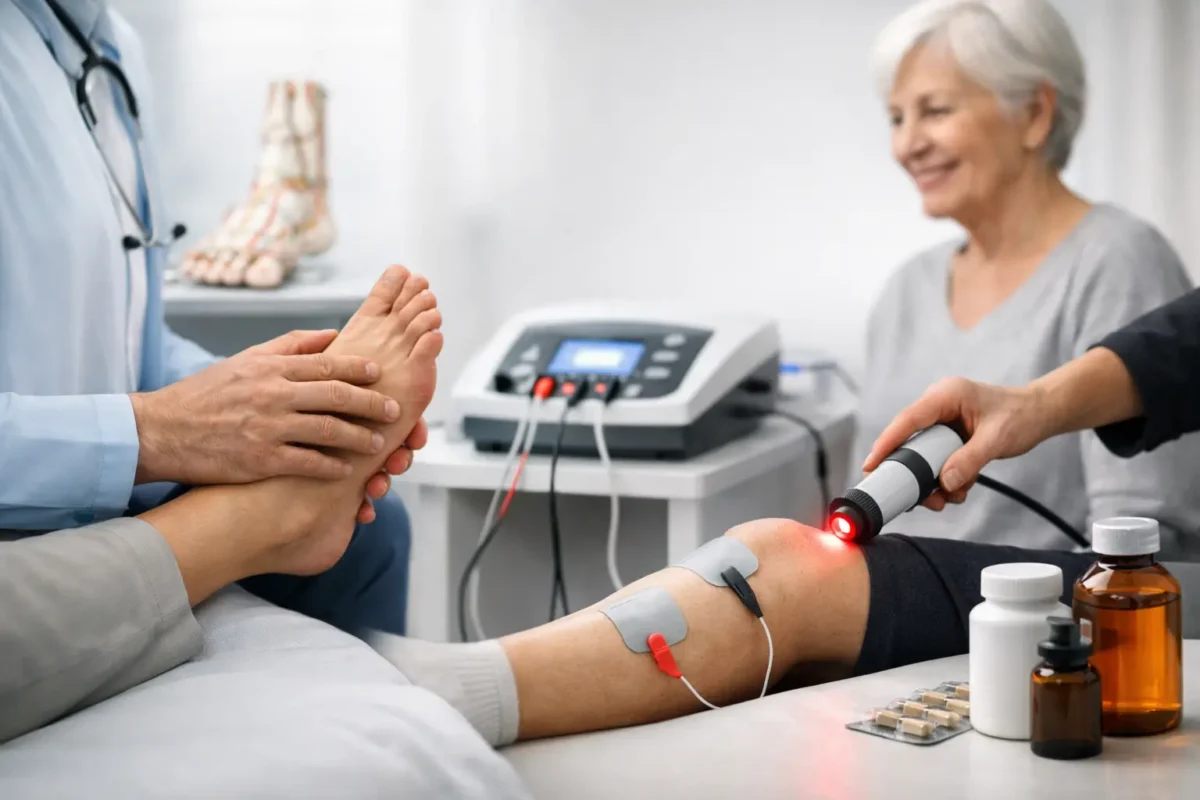
Burning feet at night, pins-and-needles in the hands, or a numb area that makes walking feel less secure can change far more than physical comfort. It can affect sleep, work, exercise, and confidence. The right neuropathy treatment options begin with identifying why the nerve is irritated or damaged, rather than simply trying to cover up the symptom.
Neuropathy is not one condition with one solution. Peripheral neuropathy describes damage or dysfunction in nerves outside the brain and spinal cord. Diabetes is a common cause, but nerve symptoms may also be related to a pinched nerve in the spine, injury, medication effects, vitamin deficiencies, circulation problems, autoimmune disease, alcohol use, infections, or an unclear cause. A careful evaluation helps distinguish among these possibilities and directs treatment toward meaningful relief and safer movement.
Start with a clear diagnosis
Numbness, tingling, burning, weakness, and electric-shock sensations can come from peripheral neuropathy, but they can also occur with conditions involving the neck or low back. For example, a herniated disc or spinal stenosis can put pressure on a nerve root and cause symptoms that travel down an arm or leg. That is different from the stocking-and-glove pattern often associated with diabetic neuropathy, and the treatment approach may be different as well.
An evaluation may include a discussion of symptom timing, medical history, medications, injuries, balance changes, and daily activities. A physician may perform a neurologic and musculoskeletal examination, checking strength, reflexes, sensation, gait, circulation, and areas of spinal tenderness. Depending on the findings, blood work, imaging, nerve conduction testing, or electromyography may be appropriate.
This step is worth taking seriously. Treating presumed neuropathy without identifying a treatable cause can delay care that could protect function, reduce progression, or address a spinal problem that needs focused attention.
Neuropathy treatment options depend on the cause
For many people, the most effective plan combines medical management with rehabilitation and practical changes at home. The goal is not always to eliminate every sensation immediately. Often, it is to reduce pain, improve sleep and mobility, prevent falls or skin injury, and help patients return to the activities that matter to them.
Treat the underlying condition when possible
When neuropathy is associated with diabetes or prediabetes, managing blood sugar is central to protecting nerve health over time. That may involve coordination with a primary care clinician, nutrition guidance, medication adjustments, and a realistic activity plan. Progress tends to come from consistent habits, not a short-term fix.
Other causes require their own treatment. Correcting a confirmed vitamin deficiency, reviewing medications that may contribute to symptoms, reducing alcohol use, or treating an inflammatory condition can all be part of the plan. If testing suggests nerve compression in the neck, back, wrist, or another location, targeted spine or musculoskeletal care may be more appropriate than relying on neuropathic pain medication alone.
Use medication thoughtfully
Certain prescription medications can help calm nerve-related pain. Depending on the patient, a physician may consider medicines originally developed for seizures, specific antidepressants used for nerve pain, or topical treatments applied to the painful area. These medications can reduce burning, shooting pain, and sleep disruption for some people, but response varies.
Medication decisions should account for drowsiness, dizziness, swelling, drug interactions, kidney function, work demands, and fall risk. A treatment that reduces pain but leaves someone unsteady or unable to focus may not be the right long-term answer. Opioid medications are generally not a preferred long-term strategy for chronic neuropathic pain because their risks can outweigh their benefit for many patients.
Restore strength, balance, and confidence through therapy
Pain can cause people to move less, which can gradually weaken muscles and make balance more difficult. Physical therapy can address that cycle with an individualized program focused on gait, leg and core strength, flexibility, posture, and balance training. For a patient whose symptoms are tied to spinal irritation, therapy may also include strategies to reduce pressure on sensitive structures and improve movement mechanics.
The plan should fit the person, not the diagnosis alone. An active adult may need a progression back to running, cycling, or recreational sports. An older adult who feels unsteady may benefit most from fall-prevention training, safer footwear guidance, and exercises that support independent walking. Even modest improvements in balance and endurance can make daily life feel less restricted.
Consider targeted non-surgical pain care
When symptoms are related to nerve compression or spine conditions, pain management may offer non-surgical approaches designed around the source of pain. These can include image-guided procedures in carefully selected cases, along with rehabilitation and medication management. The appropriate option depends on imaging, examination findings, symptom pattern, and prior response to conservative care.
Complementary approaches such as acupuncture may also help some patients manage chronic pain, particularly when used as part of a broader care plan. Results vary, and these therapies should not replace an evaluation for progressive weakness, severe loss of sensation, or a condition that requires medical treatment. They can, however, be a useful option for patients seeking to reduce reliance on medication while working toward improved function.
Daily steps that protect numb or painful areas
Home care matters because neuropathy symptoms are often most disruptive between appointments. People with reduced feeling in the feet should inspect them daily for cuts, blisters, redness, swelling, or pressure spots. A small injury can become more serious when it goes unnoticed, especially for people with diabetes or circulation concerns.
Supportive, properly fitting shoes can reduce friction and improve stability. Avoid walking barefoot when sensation is impaired, and take care around heating pads, hot water, and space heaters, since numb skin may not register excessive heat. Regular, appropriate movement can support circulation, strength, mood, and blood sugar management, but exercise should be adjusted if it increases pain, instability, or foot injury.
Sleep also deserves attention. Nerve pain often becomes more noticeable at night, and poor sleep can lower pain tolerance the next day. A clinician can help identify whether medication timing, gentle evening movement, positioning, or another strategy may make nights more manageable.
When surgery may enter the conversation
Surgery is not a standard treatment for diffuse peripheral neuropathy. However, it may be considered when a clear structural problem is compressing a nerve and non-surgical care has not provided sufficient relief. Examples can include certain cases of carpal tunnel syndrome, severe nerve entrapment, or spine conditions causing persistent pain, weakness, or loss of function.
The decision should be based on more than an MRI finding. Symptoms, physical examination, nerve testing, functional limitations, and response to conservative treatment all matter. A thoughtful surgical consultation clarifies what surgery may improve, what it may not change, and whether the expected benefit justifies the recovery involved.
Signs that need prompt medical attention
Do not wait for a routine appointment if new numbness or weakness appears suddenly, one side of the body becomes weak, speech changes, or there is facial drooping. These can be signs of a stroke or other emergency. New loss of bladder or bowel control, numbness in the groin area, rapidly worsening leg weakness, or severe back pain with neurologic changes also requires urgent evaluation.
For people with diabetes or reduced foot sensation, a wound, spreading redness, drainage, fever, or a foot that becomes unusually warm, swollen, or discolored should be assessed promptly. Early treatment can prevent more serious complications.
Coordinated care can reduce the guesswork
Neuropathy can sit at the intersection of primary care, pain management, rehabilitation, spine care, and wellness support. When those services operate separately, patients can spend months repeating their history and trying disconnected treatments. A coordinated outpatient setting allows clinicians to compare findings, adjust the plan as symptoms change, and keep the focus on measurable goals such as safer walking, better sleep, less pain, or a return to work.
At Denville Medical Associates, this collaborative approach supports conservative, evidence-based care first, while providing access to specialists when a more advanced evaluation is needed. The best next step is a plan built around the cause of your symptoms, your health history, and the life you want to get back to – one that gives relief the attention it deserves without losing sight of long-term nerve health and mobility.