
Platelet-Rich Plasma (PRP) Therapy for Tendon Injuries in Denville
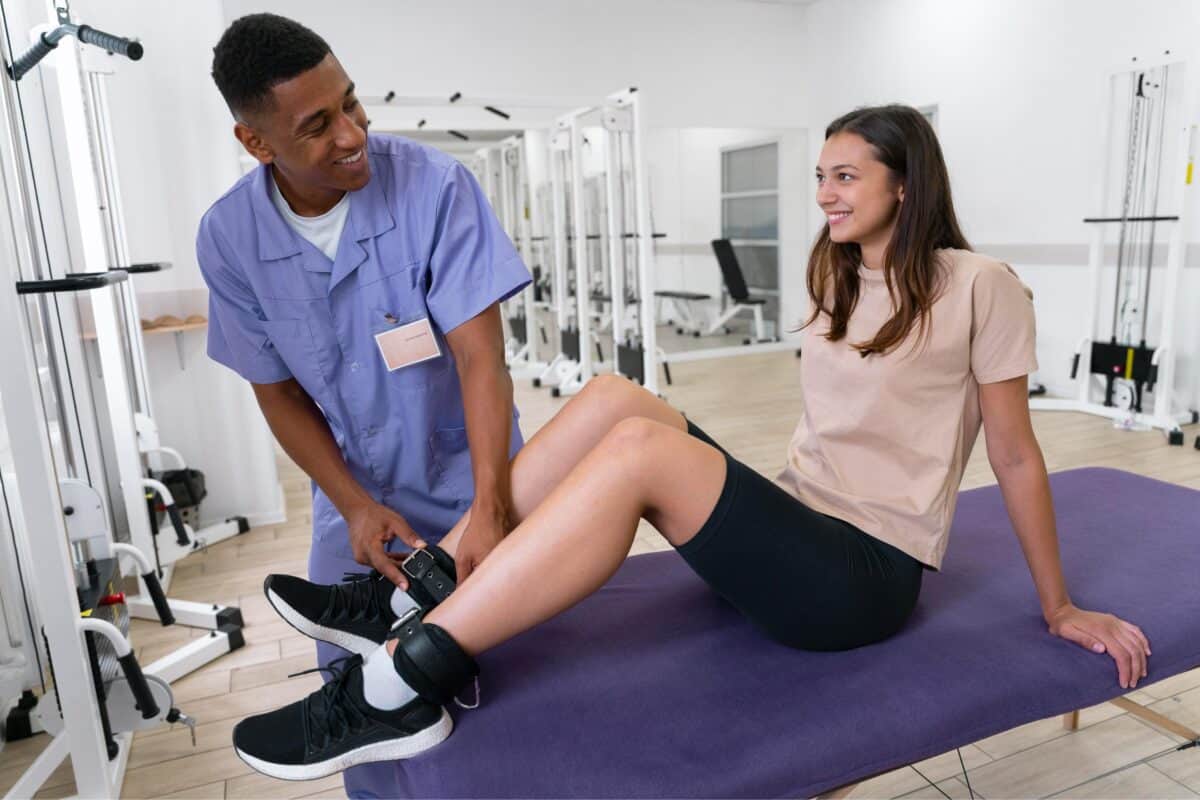
PRP therapy in Denville might sound a bit science-y at first, but it’s really just using your own body to help heal itself. You know, taking a bit of blood, concentrating the platelets, and putting them back where your tendon hurts. It’s done in a reliable health care clinic setting and usually isn’t very invasive, which is nice if needles make you nervous. The idea is to give your tendons a little nudge so they repair faster, with less inflammation and a smoother recovery.
Honestly, it’s not some magic trick. It’s more like helping your body focus on what it’s already trying to do naturally. Some people notice changes sooner, others take a few weeks, but most see improvement over time. And yeah, it can feel kind of weird the first time, but the results are usually worth it.
PRP Therapy: What Is It?
So, what actually happens? They draw a little blood, spin it to get a platelet-rich concentrate, and inject it into the injured tendon. Those platelets are full of growth factors, basically little repair guys.
Once injected, they tell the tendon, “Hey, fix yourself!” It helps tissue rebuild, reduces inflammation, and usually speeds things up. It doesn’t hurt as much as it sounds, but yeah, you might feel sore for a couple of days.
Tendon Injuries: Common Causes
Tendons get hurt for a lot of reasons. Overuse is running, jumping, and lifting too much. Sometimes it’s a sudden twist or fall. Poor technique, no warm-up, or weak muscles make it worse.
Age doesn’t help either; tendons stiffen as we get older. And yes, conditions like arthritis or limited flexibility can add to the problem. Knowing the cause can help prevent it from happening again.
Benefits of PRP Therapy
PRP helps the tendon heal faster. It can reduce inflammation and make movement less painful. The procedure is quick and outpatient, which is nice; you don’t need to stay in a clinic all day.
It’s your own blood, so there’s almost no risk of reactions. Treatments are adjusted based on the severity of the injury. Over time, people notice less pain, better tendon strength, and improved mobility. Small changes at first, but they add up.
Effectiveness of PRP Treatment
Studies show PRP can improve tendon repair. The growth factors stimulate cell growth, help collagen form, and generally strengthen the tendon. It doesn’t fix everything overnight, but you usually feel gradual improvements.
Some tendons recover faster than others. The process can be slow, but the results often last. Many patients return to normal activities with reduced pain and improved function.
Considerations Before PRP Therapy
Before you do PRP, think about a few things. How bad is the injury? Any medications or conditions that might interfere? What are your expectations?
Cost matters too; check insurance if you can. And sometimes, physical therapy or rest might help alongside or instead of PRP. It’s good to know all the options so you can make an informed choice.
Recovery Process and Results
After the injection, soreness or mild swelling is normal. Usually, it fades in a few days. Over the next few weeks, your tendon begins to rebuild. Pain decreases, mobility improves, and your tendon gets stronger.
Following the doctor’s instructions helps a lot. Little things like proper rest or recommended exercises can make the difference between slow and fast recovery. Eventually, many people go back to daily activities feeling better, stronger, and less limited.
Related Topics: