
Spine Specialist Care That Starts With Answers
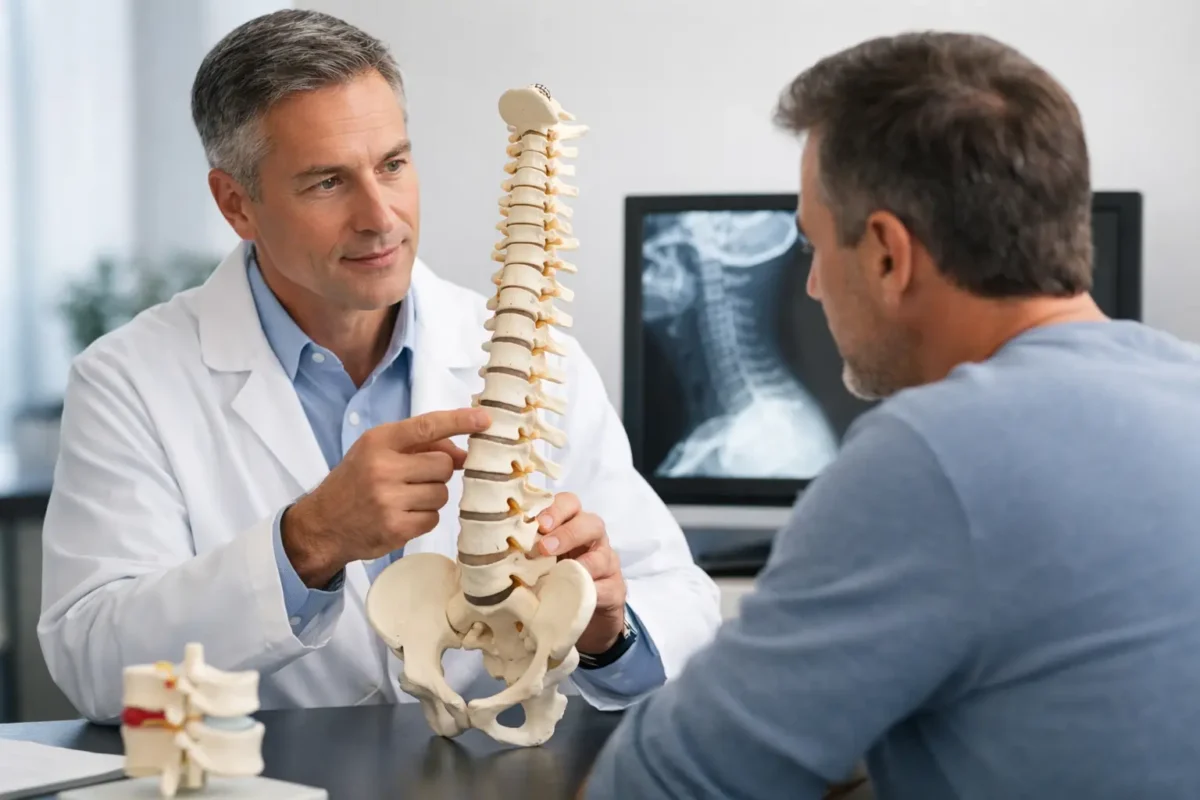
A sharp pain when you look over your shoulder, numbness traveling down a leg, or back pain that keeps you from sleeping can quickly make everyday decisions feel complicated. The right spine specialist care should replace uncertainty with a clear explanation, a thoughtful plan, and treatment that respects both your symptoms and your goals.
For many people, the challenge is not simply finding a provider. It is knowing where to start and how to avoid being passed between disconnected offices while pain persists. An integrated outpatient center can bring evaluation, imaging coordination, conservative treatment, rehabilitation, and specialty guidance into one coordinated process.
When Spine Symptoms Need Specialist Attention
Back and neck pain are common, but they are not all the same. A strained muscle after yard work may improve with rest and guided rehabilitation. Pain that radiates into an arm or leg, however, may point to irritation or compression of a nerve. Symptoms can also be related to arthritis, a herniated disc, spinal stenosis, degenerative disc changes, sports injuries, work injuries, or the effects of a motor vehicle accident.
A spine-focused evaluation is particularly helpful when symptoms are persistent, recurring, limiting mobility, or interfering with work, exercise, sleep, and daily responsibilities. Patients often seek care after trying to manage the problem on their own for several weeks, but earlier evaluation can be useful when pain is worsening or function is declining.
Certain symptoms require urgent medical attention rather than a routine outpatient appointment. New loss of bladder or bowel control, numbness in the groin area, significant weakness, difficulty walking, fever with severe back pain, or symptoms after a major trauma should be evaluated promptly in an emergency setting.
What Comprehensive Spine Specialist Care Looks Like
Effective spine care begins with listening closely. A clinician will want to understand where the pain begins, whether it travels, what movements aggravate it, how long it has been present, and how it affects your life. A physical examination may assess posture, range of motion, strength, reflexes, sensation, balance, and areas of tenderness.
Imaging studies can be valuable, but they are only one piece of the picture. Many adults have disc bulges or arthritic changes on an MRI without symptoms. Conversely, a scan that appears modest may be highly relevant if it aligns with the patient’s pain pattern and examination findings. The goal is not to treat an image. It is to identify the source of symptoms and determine the most appropriate next step.
At Denville Medical Associates, coordinated care makes that process more efficient. Board-certified physicians, fellowship-trained specialists, pain management clinicians, physical therapists, chiropractors, acupuncturists, and other care professionals can communicate directly about the same case. This helps patients avoid repeating their story at every appointment and supports treatment decisions based on the full clinical picture.
Conservative Care Usually Comes First
Surgery is not the starting point for most spine conditions. Many patients improve with a carefully structured non-surgical plan, especially when treatment is matched to the diagnosis and adjusted based on progress.
Physical therapy may focus on restoring mobility, improving core and postural strength, correcting movement patterns, and helping patients return to activities safely. For someone with neck pain from prolonged desk work, that may mean improving cervical mobility and workstation habits. For a runner with low back pain, it may involve addressing hip strength, training load, and mechanics that repeatedly stress the spine.
Chiropractic care, acupuncture, and other complementary approaches may be appropriate for some patients as part of a broader plan. Their role depends on the diagnosis, medical history, and symptoms. These treatments should be coordinated with medical evaluation rather than used as a substitute for it when there is concerning weakness, progressive numbness, or another potential neurologic issue.
Medication can sometimes help control inflammation, muscle spasm, or nerve-related pain, but it should support recovery rather than become the entire strategy. Responsible spine care considers the potential benefit, side effects, and duration of medication use. For many patients, reducing reliance on pain medication is a meaningful recovery goal.
When Interventional Treatment May Help
If symptoms do not improve adequately with rehabilitation and other conservative measures, targeted pain management procedures may be considered. Depending on the condition, options may include epidural injections, facet joint interventions, or other image-guided procedures intended to reduce inflammation and help clarify the source of pain.
These procedures are not a cure for every spine problem, and results vary. Some patients experience substantial relief that allows them to participate more fully in therapy. Others may have only temporary benefit or may need a different approach. A qualified specialist should explain what a procedure is designed to address, what improvement is realistic, and how it fits into the overall treatment plan.
When a Spine Surgery Consultation Is Appropriate
A surgical consultation does not automatically mean surgery is needed. It can provide reassurance, clarify whether a structural issue requires attention, and help patients understand their options if conservative treatment has not delivered adequate relief.
Surgery may be considered when there is significant nerve compression, progressive weakness, spinal instability, severe stenosis, or persistent pain and functional loss that have not responded to appropriate non-surgical care. The decision should account for imaging findings, neurologic symptoms, general health, activity level, recovery expectations, and the patient’s own priorities.
A patient with leg pain from a herniated disc, for example, may improve over time with medication, therapy, and targeted injections. Another patient with worsening foot weakness may require a more urgent surgical discussion. The difference lies in the details of the condition, not in a one-size-fits-all protocol.
When surgery is recommended, coordinated preoperative and postoperative care matters. Rehabilitation planning, pain management, and communication among providers can help patients prepare for recovery and regain function with appropriate guidance.
Why Coordinated Care Can Change the Experience
Fragmented care often creates delays. One office may order testing, another may prescribe medication, and a third may recommend therapy without a shared understanding of what has already been tried. Patients can lose time, miss work, and feel understandably frustrated.
An under-one-roof model is designed to reduce those gaps. A patient can move from evaluation to conservative treatment and rehabilitation with clearer communication between clinicians. If symptoms call for pain management or a neuro spine surgery opinion, the next step can be arranged within a connected care environment rather than starting over elsewhere.
Convenience should never replace clinical judgment, but it can support better follow-through. Timely appointments, coordinated records, and providers who communicate directly can make it easier to stay engaged with a treatment plan. For busy professionals, active adults, older patients, and people recovering from an injury, that continuity is often as valuable as the individual treatment itself.
Questions to Ask About Your Spine Care Plan
A useful treatment plan should be specific enough to guide decisions. Ask what the likely source of pain is, what findings support that assessment, and whether further testing is needed. You should also understand which treatments are recommended first, how progress will be measured, and when the plan should change if you are not improving.
It is also reasonable to ask whether activity should be modified, not simply stopped. Complete rest can be necessary briefly after some injuries, but prolonged inactivity can lead to stiffness, weakness, and slower recovery. Your provider can help you identify safe movement and realistic milestones for returning to work, sports, lifting, travel, or other valued activities.
The best spine care is not defined by the fastest procedure or the longest list of services. It is defined by thoughtful diagnosis, appropriate treatment, and a team that helps you move forward with confidence. If spine symptoms are limiting your life, a timely evaluation can be the first practical step toward getting back to the activities that matter to you.