
Why Integrated Musculoskeletal Care Works
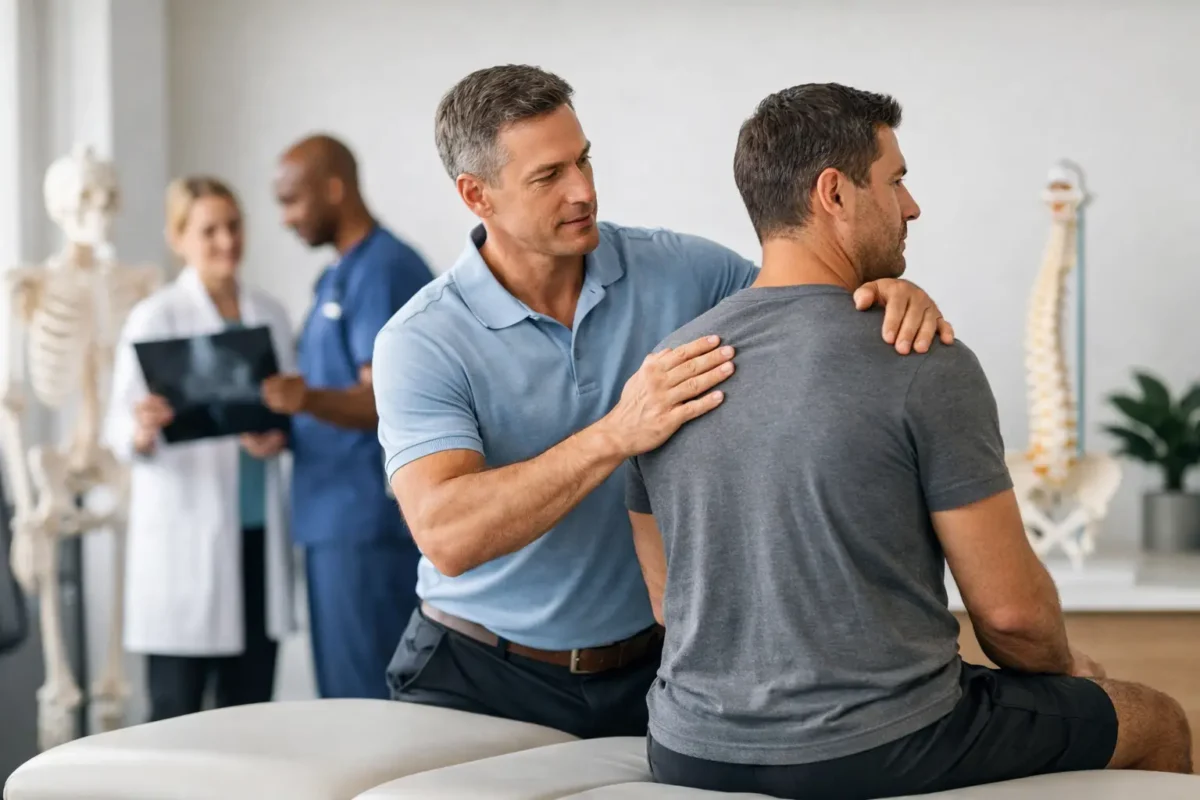
A back injury rarely stays in one lane. It can affect how you work, sleep, exercise, drive, and even how long you can sit through dinner without shifting in pain. That is why integrated musculoskeletal care matters. When evaluation, treatment, rehabilitation, and specialist follow-up happen in a coordinated setting, patients spend less time repeating their story and more time moving toward relief.
For many adults, musculoskeletal problems do not begin with a dramatic injury. They start with a stiff neck after long workdays, recurring low back pain, joint soreness that lingers after activity, or numbness that slowly becomes harder to ignore. Others are dealing with a sports injury, a work-related strain, or the aftermath of a motor vehicle accident. In each case, the challenge is often the same: finding the right care quickly, without getting lost in a fragmented system.
What integrated musculoskeletal care actually means
Integrated musculoskeletal care is a coordinated model for diagnosing and treating conditions that affect muscles, joints, tendons, ligaments, nerves, and the spine. Instead of sending a patient from one disconnected office to another, this approach brings multiple disciplines into one clinical plan.
That plan may involve primary evaluation, imaging or diagnostics, pain management, physical therapy, chiropractic care, acupuncture, sports medicine, and consultation with spine or surgical specialists when appropriate. The point is not to use every service. The point is to match the right treatment to the patient, at the right time, with each provider informed by the same clinical picture.
For patients, that coordination often changes the experience in practical ways. Appointments are easier to manage. Recommendations are more consistent. Treatment decisions are less likely to conflict. When symptoms change, the care team can adapt faster because communication is built into the model rather than left to chance.
Why fragmented care often slows recovery
Traditional referral-based care can work well in some situations, but it often breaks down for pain and mobility problems that cross specialties. A patient may see urgent care for the first visit, then wait for orthopedics, then get referred to therapy, then return for imaging, then start pain management only after symptoms have worsened. Each step may be reasonable on its own, but the delays add up.
That lag matters. Musculoskeletal issues are not always static. A simple strain can become chronic pain when movement patterns change. A pinched nerve can start affecting strength. Joint pain can lead to deconditioning, which makes recovery harder and daily life more limited.
Fragmented care also creates confusion. One provider may recommend rest while another pushes exercise. A patient may receive medication but no long-term plan. Imaging findings may be discussed without considering how the person actually functions day to day. When providers are not communicating directly, the burden shifts to the patient to connect the dots.
The real advantage of an integrated model
The strength of integrated musculoskeletal care is clinical continuity. That phrase matters because continuity is what turns a series of appointments into a coherent recovery plan.
A patient with neck pain and radiating arm symptoms, for example, may need a careful physical exam, diagnostic review, short-term pain control, and a structured rehab program. If symptoms do not improve as expected, the next step may be more advanced spine evaluation. In an integrated setting, those transitions can happen with less duplication and less delay.
This model also supports a more conservative philosophy of care. Many musculoskeletal conditions improve with non-invasive treatment when the diagnosis is clear and the plan is followed closely. Physical therapy can restore movement. Chiropractic care may help selected patients with mechanical pain. Acupuncture may support pain reduction. Targeted pain management may make it possible to participate in rehab more effectively. If surgery becomes necessary, it should be because conservative options were explored thoughtfully, not skipped.
That does not mean every patient follows the same path. Some need immediate specialist involvement. Others do well with a short course of therapy and activity modification. The value of integration is that treatment can be adjusted based on response rather than forced into a one-size-fits-all sequence.
Conditions that benefit from integrated musculoskeletal care
This approach is especially useful for problems that involve more than one layer of care. Low back pain is the clearest example. It may stem from muscle strain, disc issues, spinal degeneration, nerve irritation, posture, work demands, or a combination of factors. Treating only the pain, without addressing function and mechanics, often leads to temporary relief at best.
Neck pain, sciatica, herniated discs, arthritis-related joint pain, shoulder injuries, sports injuries, tendonitis, repetitive stress injuries, and chronic pain syndromes also benefit from coordinated management. Older adults with degenerative spine or joint conditions often need a plan that balances symptom relief, mobility, fall prevention, and overall health. Active adults may need care that gets them back to work or training safely without rushing the process.
Injury patients are another important group. After a car accident or workplace injury, symptoms may involve the spine, soft tissues, nerves, and functional limitations all at once. These cases are rarely served well by scattered follow-up. They need organized evaluation, clear documentation, and a treatment strategy that can evolve as recovery unfolds.
What patients should expect from coordinated care
The best integrated care starts with a careful assessment, not a preselected treatment. That means listening to the patient, reviewing how symptoms began, identifying red flags, examining movement and neurologic function, and understanding how pain affects daily life. The goal is to answer two questions early: what is driving the problem, and what is the safest, most effective first step?
From there, care should be individualized. Some patients need hands-on treatment and guided exercise. Some benefit from diagnostic testing before advancing treatment. Some need short-term intervention for significant pain so they can tolerate rehab. Others may need a surgical opinion, but even then, informed decision-making depends on seeing the full picture rather than reacting to imaging alone.
This is where an under-one-roof model can make a meaningful difference. At Denville Medical Associates, patients can access multiple services in one outpatient setting, with board-certified physicians, fellowship-trained specialists, therapists, and complementary care providers working from a shared understanding of the case. That kind of direct communication can reduce unnecessary repetition and help patients move through care with more confidence.
Non-invasive first does not mean passive care
Patients often hear that a practice emphasizes conservative treatment and assume that means waiting things out. Good integrated care is not passive. It is active, targeted, and responsive.
A non-invasive-first approach might include physical therapy to improve strength and range of motion, chiropractic treatment for selected biomechanical issues, acupuncture to support pain control, or image-guided pain procedures when clinically indicated. Just as important, it includes education on pacing, body mechanics, return to activity, and what progress should realistically look like.
There are trade-offs. Conservative care takes participation. It may require several weeks of consistent therapy and home exercise. It can feel slower than the promise of a quick fix. But for many musculoskeletal conditions, that investment leads to better function and less reliance on medication. And when symptoms are not improving, an integrated team is in a better position to recognize that early and escalate appropriately.
How to know if this model is right for you
If you have pain that has not improved, an injury that affects your routine, or a condition that seems to involve more than one type of provider, integrated musculoskeletal care is worth considering. It is especially helpful if you are tired of being bounced between offices or receiving recommendations that do not line up.
It may also be the right fit if your priority is avoiding unnecessary surgery while still having access to specialist guidance if you need it. Many patients want a clear plan, timely appointments, and one team that can manage both immediate symptoms and the next phase of recovery. That is exactly where coordinated outpatient care tends to stand apart.
The right care model should respect both the complexity of the body and the reality of your schedule. Pain has a way of shrinking daily life. Good care should do the opposite – give you a path that is organized, evidence-based, and focused on getting you back to living with more strength and less interruption.