What Is Physical Medicine and Rehabilitation?
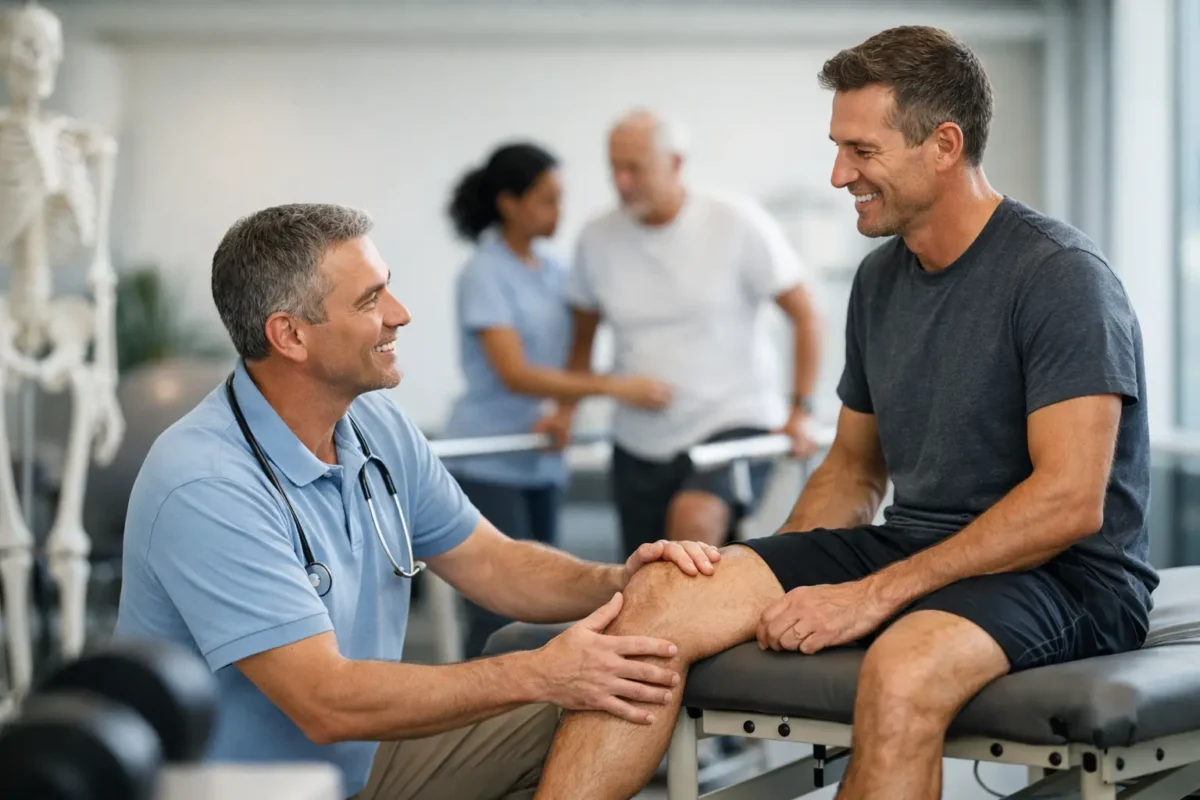
If your back pain keeps returning, your shoulder still does not move the way it should after an injury, or nerve pain is making daily tasks harder than they should be, you may be asking: what is physical medicine and rehabilitation? It is a medical specialty focused on restoring function, reducing pain, and helping people move more comfortably after injury, illness, or chronic physical conditions.
Physical medicine and rehabilitation, often called PM&R, is centered on how your body works in real life. That means not just what appears on an imaging report, but whether you can sit, walk, sleep, work, exercise, drive, or get through the day without pain controlling your routine. A physician in this field looks at the full picture – muscles, joints, nerves, spine health, movement patterns, and recovery goals – and builds a plan designed to improve function as much as possible.
For many patients, that approach feels different from traditional specialty care. Instead of moving quickly toward surgery or relying only on medication, PM&R often starts with conservative, evidence-based treatment. The goal is to relieve symptoms, address the source of dysfunction, and help the body recover in a way that is sustainable.
What is physical medicine and rehabilitation used for?
Physical medicine and rehabilitation is used for a wide range of conditions that affect mobility, strength, coordination, and comfort. It commonly helps patients dealing with back and neck pain, sciatica, joint pain, sports injuries, tendon problems, nerve irritation, arthritis, muscle strain, and post-surgical recovery. It can also play an important role after motor vehicle accidents, work injuries, and flare-ups of chronic pain.
The specialty is especially valuable when symptoms are affecting quality of life but the next step is not always obvious. Some patients have pain without a clear surgical problem. Others have more than one issue happening at once, such as spinal degeneration plus muscle weakness, or a disc injury combined with altered movement patterns. PM&R is designed for exactly that kind of complexity.
Rather than treating pain as an isolated symptom, rehabilitation medicine asks a broader question: what is limiting your function, and what combination of treatments is most likely to improve it? That perspective matters because pain and disability do not always follow a simple path. Two people can have similar MRI findings and very different experiences with walking, lifting, sleeping, or returning to exercise.
How PM&R differs from other specialties
One reason patients are confused about PM&R is that it overlaps with several other fields. Orthopedics, neurology, pain management, physical therapy, chiropractic care, and sports medicine may all play a role in recovery. Physical medicine and rehabilitation does not replace all of those disciplines. Instead, it often connects them.
A PM&R physician is trained to evaluate how the musculoskeletal and nervous systems affect physical function. That includes diagnosing the cause of pain, identifying movement limitations, coordinating non-surgical treatment, and tracking progress over time. In some cases, the physician may perform procedures such as image-guided injections or electrodiagnostic testing. In others, the focus may be on guiding therapy, activity modification, and a step-by-step rehab plan.
The difference is not just what treatments are used. It is also how success is defined. In PM&R, success is not only lower pain scores. It is getting back to work, walking more comfortably, sleeping better, returning to the gym, recovering after an accident, or simply being able to move without constant hesitation.
What happens during a physical medicine and rehabilitation evaluation?
A good evaluation is detailed because function is detailed. Your physician will usually ask when the problem started, what makes it worse, what makes it better, how it affects your day, and what treatments you have already tried. They will also want to know whether the issue is new, recurring, or part of a longer pattern.
The physical exam often includes posture, range of motion, strength, reflexes, gait, joint mechanics, and nerve-related findings. If you have neck or back pain, the evaluation may look beyond the painful area itself. Weak hips, poor core control, limited shoulder mobility, or altered walking patterns can all contribute to symptoms.
Imaging and diagnostic studies may be reviewed, but they are interpreted in context. That is important because imaging can show age-related changes that are not always the true source of pain. On the other hand, a normal scan does not mean your symptoms are not real. PM&R physicians are trained to connect test results with what your body is actually doing.
Common treatments in physical medicine and rehabilitation
Treatment plans in PM&R are individualized. There is no single formula because recovery depends on the diagnosis, severity, duration of symptoms, activity level, and overall health.
For many patients, physical therapy is a core part of care. Therapy can improve strength, flexibility, stability, balance, and movement mechanics. But therapy works best when it is tied to a clear medical diagnosis and adjusted as your condition changes. A patient with a sports injury needs a different rehab progression than someone recovering from a spinal flare-up or chronic degenerative joint pain.
Medication may be used, but usually as one part of a larger plan rather than the whole plan. Depending on the situation, treatment may also include targeted injections, regenerative approaches when appropriate, bracing, activity modification, or home exercise support. Some patients benefit from coordinated care across multiple services, especially when pain, biomechanics, and nerve symptoms overlap.
This is where an integrated outpatient setting can make a real difference. When physicians, therapists, and rehabilitation providers communicate directly, the treatment plan can adapt faster. At Denville Medical Associates, that kind of coordination helps patients avoid the delays and mixed messages that often happen when care is split across separate offices.
Who can benefit from PM&R?
PM&R is not only for elite athletes or patients with severe disability. It can help anyone whose physical symptoms are interfering with normal function.
That includes working adults who cannot sit comfortably through the day, active people trying to get back to training, older adults managing arthritis or spinal degeneration, and patients recovering from injury who want to avoid unnecessary surgery if possible. It also includes people who have been told to “just rest” or “wait it out” but are still not getting better.
One of the strengths of this specialty is that it meets patients at different points in the recovery process. Some need early intervention after an injury. Others need a second opinion because symptoms are lingering. Others need structured support after a procedure to rebuild strength and confidence safely.
When surgery is not the first answer
A major benefit of physical medicine and rehabilitation is its focus on non-invasive care first. That does not mean surgery is never necessary. Some conditions do require operative treatment, and delaying it too long can be unwise. But many painful musculoskeletal problems improve with the right conservative plan.
This is one area where nuance matters. A disc herniation, for example, may respond well to rehabilitation, targeted pain treatment, and time. Another patient with progressive weakness or severe nerve compression may need surgical evaluation sooner. PM&R helps sort out those differences so treatment is not based on guesswork or fear.
For patients, that often brings peace of mind. You want to know that surgery is available if needed, but not rushed. You also want confidence that conservative treatment is being managed seriously, with a clear plan and measurable goals.
What is physical medicine and rehabilitation in a coordinated care model?
In a coordinated care model, physical medicine and rehabilitation becomes more than a specialty visit. It becomes a central part of how recovery is organized. Instead of sending patients in multiple directions with limited communication between providers, the care team can align around the same diagnosis, goals, and timeline.
That approach is especially helpful for spine conditions, chronic pain, sports injuries, and accident-related injuries, where progress often depends on timing and consistency. If a patient needs diagnostics, therapy, pain management, specialist input, and follow-up, having those services connected can reduce delays and improve continuity.
For patients in Morris County who want answers, relief, and a practical path forward, that kind of structure matters. It saves time, reduces confusion, and makes treatment feel more personal.
Physical medicine and rehabilitation is, at its core, about helping people get more of their lives back. If pain has changed the way you move, work, sleep, or function, the right rehab-focused evaluation can do more than explain the problem – it can show you a realistic next step.