
A Sports Injury Treatment Plan That Fits You
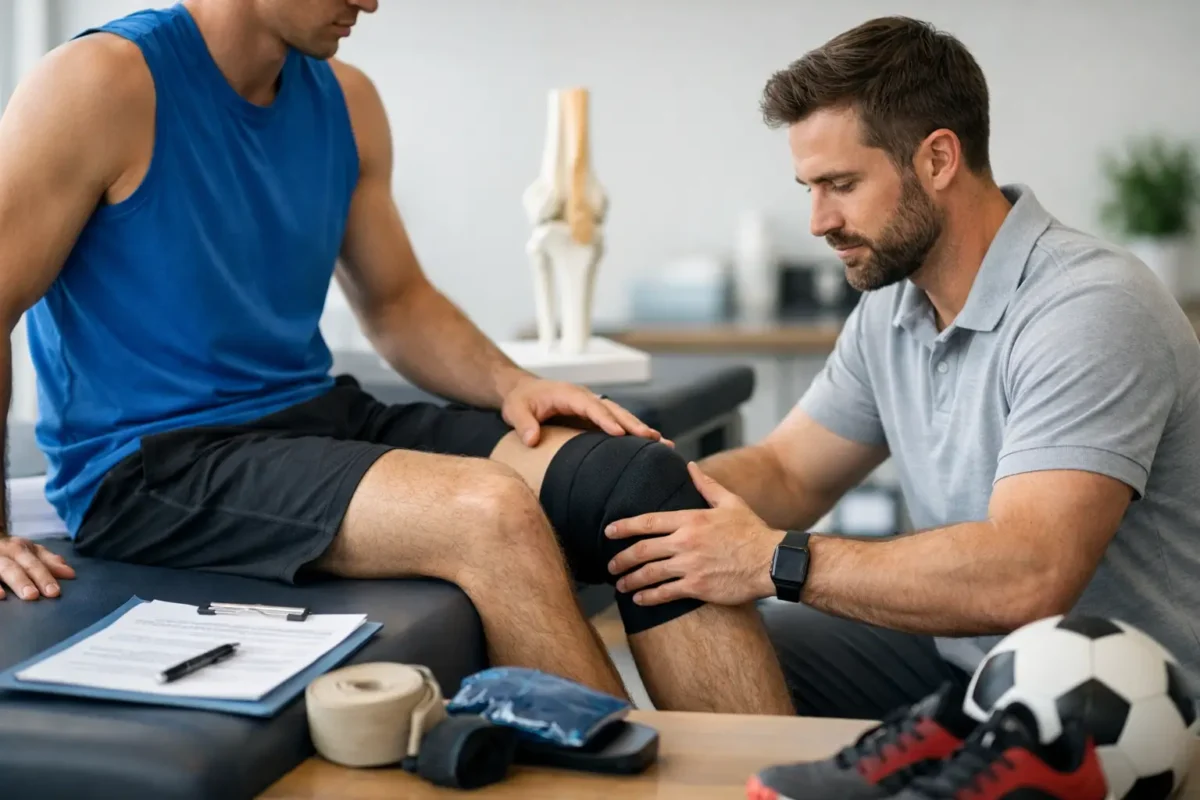
A sprained ankle after a pickup game, shoulder pain that starts during tennis, or a knee that swells after a run can quickly disrupt more than your workout routine. The right sports injury treatment plan gives you a clear path from diagnosis through safe return to activity, rather than asking you to simply rest and hope the problem resolves. For adults and athletes in Morris County, timely evaluation can also help prevent a manageable injury from becoming a persistent source of pain or instability.
Start With the Right Diagnosis
Sports injuries are often described by the spot that hurts, but pain location alone does not explain the full problem. An ankle injury may involve a mild ligament sprain, a tendon injury, a fracture, or joint instability. Knee pain can stem from a meniscus injury, ligament strain, patellar tracking issue, arthritis, or overload in the surrounding muscles. Each calls for a different approach.
A thoughtful evaluation begins with the details: how the injury happened, whether there was a pop or immediate swelling, what motions reproduce symptoms, and whether you can bear weight or use the affected area normally. A physical examination assesses range of motion, strength, tenderness, joint stability, gait, and nerve function. When clinically appropriate, diagnostic imaging can clarify whether there is a fracture, soft tissue injury, or spinal involvement.
This step matters because treatment should not be based on a generic label such as “pulled muscle.” Returning to activity too soon after an unstable joint injury can raise the chance of reinjury. On the other hand, prolonged rest for a minor strain may contribute to stiffness, weakness, and a slower return to normal movement.
When a Sports Injury Needs Urgent Care
Not every sports injury requires an emergency room visit, but some symptoms should be evaluated urgently. Seek immediate medical attention for a visibly deformed limb or joint, inability to bear weight after a significant injury, uncontrolled bleeding, a cold or numb extremity, severe or worsening headache after a collision, confusion, repeated vomiting, chest pain, or trouble breathing.
For non-emergency concerns, prompt outpatient assessment is still valuable when pain is severe, swelling does not improve, a joint feels unstable or locked, weakness persists, or symptoms interfere with walking, work, sleep, or regular activity. Early evaluation can provide reassurance when an injury is minor and direct care efficiently when it is not.
The Core of a Sports Injury Treatment Plan
An effective treatment plan is not defined by one procedure or one provider. It is a coordinated sequence of decisions that protects healing tissue, reduces pain, restores function, and prepares the body for the demands of sport, work, and daily life.
Protect the injury without becoming inactive
In the first stage, relative rest may be appropriate. This means avoiding the movement or load that aggravates the injury while staying as active as safely possible. A brace, supportive taping, walking boot, crutches, or temporary activity modification may be recommended depending on the diagnosis.
Complete inactivity is not always the answer. For example, someone recovering from a running-related knee injury may be able to maintain conditioning through low-impact exercise while beginning targeted rehabilitation. The correct balance depends on the injury, symptoms, medical history, and the physical demands of the person’s sport or job.
Control pain and inflammation carefully
Pain control should support recovery, not mask a problem long enough to push through it. Initial strategies may include ice or heat when appropriate, activity adjustments, guided manual therapies, and medication recommendations from a qualified clinician. Some injuries benefit from anti-inflammatory medication, while others require a more cautious approach because of kidney disease, stomach ulcers, blood thinners, or other health concerns.
For persistent or more significant pain, a pain management specialist may consider targeted, evidence-based treatments. The goal is to improve comfort and movement so rehabilitation can proceed effectively, while avoiding unnecessary reliance on opioids or repeated passive treatments that do not address the underlying cause.
Rebuild mobility, strength, and control
Rehabilitation is where recovery becomes durable. Physical therapy commonly focuses on restoring range of motion, strengthening injured and supporting muscle groups, improving balance, and retraining movement patterns. A shoulder program may include rotator cuff and shoulder blade stabilization. An ankle program often includes calf strength, balance work, and sport-specific landing control.
Progression should be measurable. Better recovery is not simply “it hurts less today.” It may mean walking without a limp, regaining equal strength on both sides, completing a controlled squat without pain, or tolerating increasing practice demands without next-day swelling. These milestones help guide safe advancement.
Address the factors that contributed to the injury
Some injuries result from a single fall, collision, or awkward movement. Others build gradually through training errors, poor mechanics, inadequate recovery, muscle imbalance, or an underlying spine or joint condition. If those contributing factors are not addressed, symptoms can return as soon as activity increases.
A personalized plan may look at footwear, training volume, work ergonomics, sleep, nutrition, flexibility, and movement technique. Chiropractic care, acupuncture, and other complementary treatments may have a role for selected patients as part of a broader care plan, particularly when they help reduce pain or improve mobility enough to support active rehabilitation. They should complement, not replace, an accurate diagnosis and progressive strengthening program.
Returning to Sport Is a Process, Not a Date
Patients often want a firm answer to one question: “When can I play again?” The honest answer is that it depends. Return timing is influenced by the type and severity of injury, the sport’s demands, prior injuries, healing response, and whether pain, swelling, weakness, or instability remains.
A runner may return through a gradual walk-run progression. A basketball player may need to demonstrate cutting, jumping, deceleration, and single-leg control before full competition. A recreational golfer with back pain may first work on trunk mobility and strength before returning to a full swing.
Returning too early can prolong recovery, but unnecessary restriction can also lead to deconditioning and frustration. A clinician-guided progression replaces guesswork with functional checkpoints. It also gives patients confidence that they are ready for the activities that matter to them.
When Specialist Input or Surgery May Be Appropriate
Most sports injuries improve with non-invasive care, especially when treatment begins early and rehabilitation is consistent. Still, specialist consultation may be appropriate for suspected fractures, complete tendon ruptures, recurrent dislocations, major ligament injuries, severe nerve symptoms, persistent mechanical joint locking, or pain that does not respond to conservative treatment.
Surgery is not the default next step when pain lasts longer than expected. It is considered when the diagnosis and functional limitations support it, and when the expected benefits outweigh the risks of continued non-surgical care. A coordinated setting makes this decision more informed because physicians, rehabilitation professionals, and other specialists can communicate directly about progress rather than relying on disconnected referrals.
At Denville Medical Associates, patients can access sports medicine, pain management, physical therapy, chiropractic care, diagnostics, and specialist consultation in one outpatient setting. That continuity helps keep the plan focused on the same goal: restoring safe, practical movement with the least invasive care appropriate for the injury.
How to Get More From Your Recovery Plan
The most effective plan is the one you can follow consistently. Be specific with your care team about your sport, job duties, upcoming events, prior injuries, and what movements you are avoiding. Report changes such as new numbness, increased swelling, fever, loss of strength, or pain that is spreading rather than improving.
It also helps to think beyond the next game or workout. A successful recovery is not just returning once. It is returning with enough strength, control, and confidence to keep doing the activities that make you feel like yourself.