
Facet Joint Pain: What Causes It and What Helps
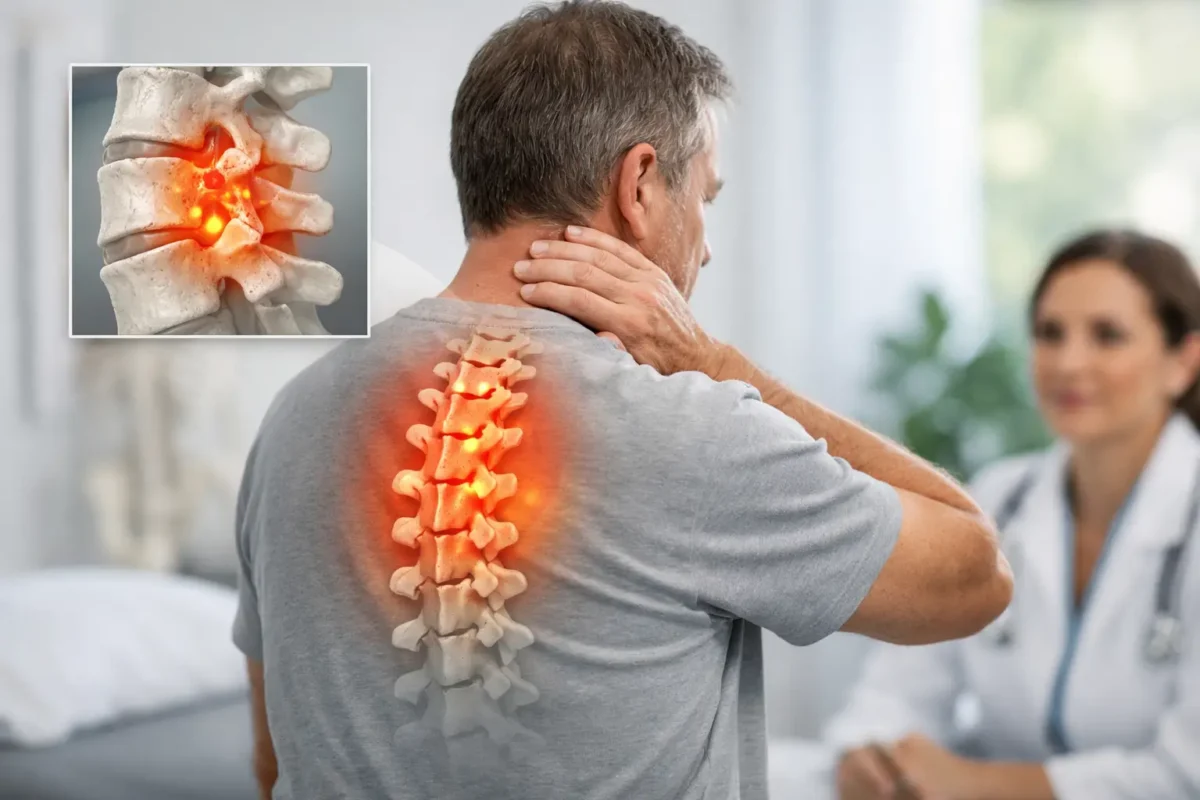
A sharp catch when you turn to back out of the driveway, stiffness after sitting through a workday, or pain that flares when you lean backward may not be a pulled muscle. For many adults, these patterns can point to facet joint pain, a common source of neck and back discomfort that is often confused with disc problems or generalized arthritis.
Facet joints are small joints at the back of each spinal bone. They help guide movement, provide stability, and allow the spine to bend, twist, and extend without excessive motion. When one or more of these joints becomes irritated, inflamed, or arthritic, ordinary movements can become surprisingly difficult. The good news is that most people can begin with conservative, non-surgical care designed around the cause of their pain and their functional goals.
What facet joint pain feels like
Facet-mediated pain is typically localized, meaning it is often felt close to the affected area of the spine. In the neck, it may cause pain along the side or back of the neck, headaches that begin near the base of the skull, or discomfort across the shoulders. In the low back, pain may sit to one or both sides of the spine and spread into the buttocks, hips, or upper thighs.
Unlike classic nerve-root pain from a herniated disc, facet joint pain usually does not travel in a clear line all the way down an arm or leg. That distinction is helpful, but symptoms can overlap. A careful examination is needed when pain is accompanied by numbness, tingling, weakness, or changes in balance.
Many patients notice that symptoms worsen with extension-based movements, such as looking upward, standing for long periods, arching the lower back, or rotating the neck or torso. Rest can reduce discomfort, but prolonged inactivity can also increase stiffness. Pain may be worse in the morning, after a demanding day, or following a change in usual activity.
Why facet joints become painful
Age-related wear is one common contributor. Like the knees and hips, facet joints have cartilage surfaces that can gradually change over time. As discs lose some height with age, injury, or degeneration, more load may shift toward the facet joints. This can lead to osteoarthritis, joint inflammation, and reduced motion.
Facet joint irritation can also follow a sudden event. A motor vehicle accident, sports injury, fall, or forceful twist may strain the joint capsule and surrounding tissues. In the neck, whiplash injuries can be associated with persistent facet-related pain even when X-rays do not show a fracture.
Daily mechanics matter as well. Repetitive lifting, prolonged sitting, poor workstation setup, reduced core strength, and limited hip mobility can place additional stress on the spine. Still, it is rarely useful to blame pain on posture alone. Imaging findings, movement patterns, workload, sleep, prior injuries, and overall conditioning all influence how a person experiences pain.
How clinicians diagnose facet-related pain
A diagnosis begins with the story behind the symptoms. A clinician will ask when the pain began, what makes it better or worse, whether it followed an injury, and how it affects work, sleep, exercise, and daily responsibilities. The physical examination may include testing range of motion, checking muscle strength and reflexes, and assessing which movements reproduce symptoms.
X-rays, MRI, or CT scans can provide useful information about arthritis, disc changes, spinal alignment, and other possible causes of pain. However, imaging alone cannot confirm that a facet joint is the pain generator. Many adults have degenerative changes on scans without symptoms, while others have significant pain with only modest visible changes.
When symptoms persist and an interventional treatment is being considered, a diagnostic medial branch block may be appropriate. The medial branch nerves carry pain signals from the facet joints. During this targeted procedure, a physician places a small amount of anesthetic near the relevant nerves using imaging guidance. Meaningful temporary relief can help confirm that the facet joints are contributing to the pain and guide next steps.
This measured approach helps avoid treating a scan rather than treating the person. It also helps distinguish facet pain from conditions such as spinal stenosis, sacroiliac joint dysfunction, hip arthritis, muscle strain, or disc-related nerve compression.
Treatment for facet joint pain usually starts conservatively
The right plan depends on the location of pain, its duration, the underlying condition, and the patient’s activities and medical history. For a recent flare without concerning neurological symptoms, the first goal is often to calm irritation while restoring safe movement.
Physical therapy can be particularly valuable. A therapist may address mobility in the spine, hips, and shoulders while building strength and endurance in the muscles that support the neck and low back. The purpose is not simply to make a painful area stronger. Effective rehabilitation looks at movement habits, lifting demands, balance, flexibility, and the activities a patient wants to return to.
Medication may be considered when clinically appropriate, including anti-inflammatory options or other treatments recommended by a physician. These can help some patients participate more comfortably in rehabilitation, but they are generally one part of a broader care plan rather than a long-term solution on their own.
Other non-invasive options may include activity modification, heat or ice for short-term symptom relief, manual therapy, chiropractic care when appropriate, acupuncture, and guided home exercise. There is no single treatment that works for every patient. Someone with a new injury may need a different approach than an active adult with recurrent pain or an older adult with advanced arthritis.
When injections or radiofrequency treatment may help
If pain continues despite a well-directed conservative program, targeted procedures may offer another option. A facet joint injection may reduce inflammation in selected cases, although the duration and degree of relief vary. Diagnostic medial branch blocks are often more useful for determining whether a longer-lasting procedure is likely to help.
For patients who receive significant but temporary relief from properly performed diagnostic blocks, radiofrequency ablation may be considered. This procedure uses controlled heat to interrupt pain signaling from the small medial branch nerves for a period of time. It does not repair arthritis or reverse spinal aging, but it can reduce pain enough to make daily activity and rehabilitation more manageable for appropriately selected patients.
Results differ from person to person. Relief may last months rather than years, and the nerves can gradually regenerate. A thorough discussion of expected benefits, possible risks, and alternatives is essential before moving forward with any procedure.
When to seek prompt medical evaluation
Most neck and back pain is not an emergency, but certain symptoms should not be ignored. Seek urgent medical attention for new bowel or bladder control problems, numbness in the groin area, rapidly progressing weakness, severe pain after significant trauma, fever with back pain, unexplained weight loss, or a history of cancer with new persistent spinal pain.
New arm or leg weakness, difficulty walking, loss of coordination, or pain that becomes steadily worse despite rest also deserves timely evaluation. These symptoms may indicate a condition beyond facet joint irritation and require a different level of care.
Coordinated care can make the next step clearer
Persistent spine pain can be frustrating when appointments, imaging, therapy, and specialist recommendations are scattered across separate offices. At Denville Medical Associates, patients can receive coordinated evaluation from providers who work across pain management, physical therapy, chiropractic care, sports medicine, diagnostics, and spine specialty care. This makes it easier to begin with appropriate conservative treatment while keeping additional options available if recovery stalls.
Surgery is not the usual treatment for isolated facet joint pain. It may be discussed only when there is another structural spinal problem, such as significant instability or nerve compression, and non-surgical options have not provided enough relief. For most patients, the priority is to reduce pain, improve movement, and return to the routines that matter without unnecessary procedures.
A painful neck or back does not always mean you need to stop moving or accept discomfort as part of aging. A focused evaluation can identify the likely source of pain, rule out more serious concerns, and create a plan that respects both your body and your day-to-day life.