
Best Therapies for Work Injuries That Aid Recovery
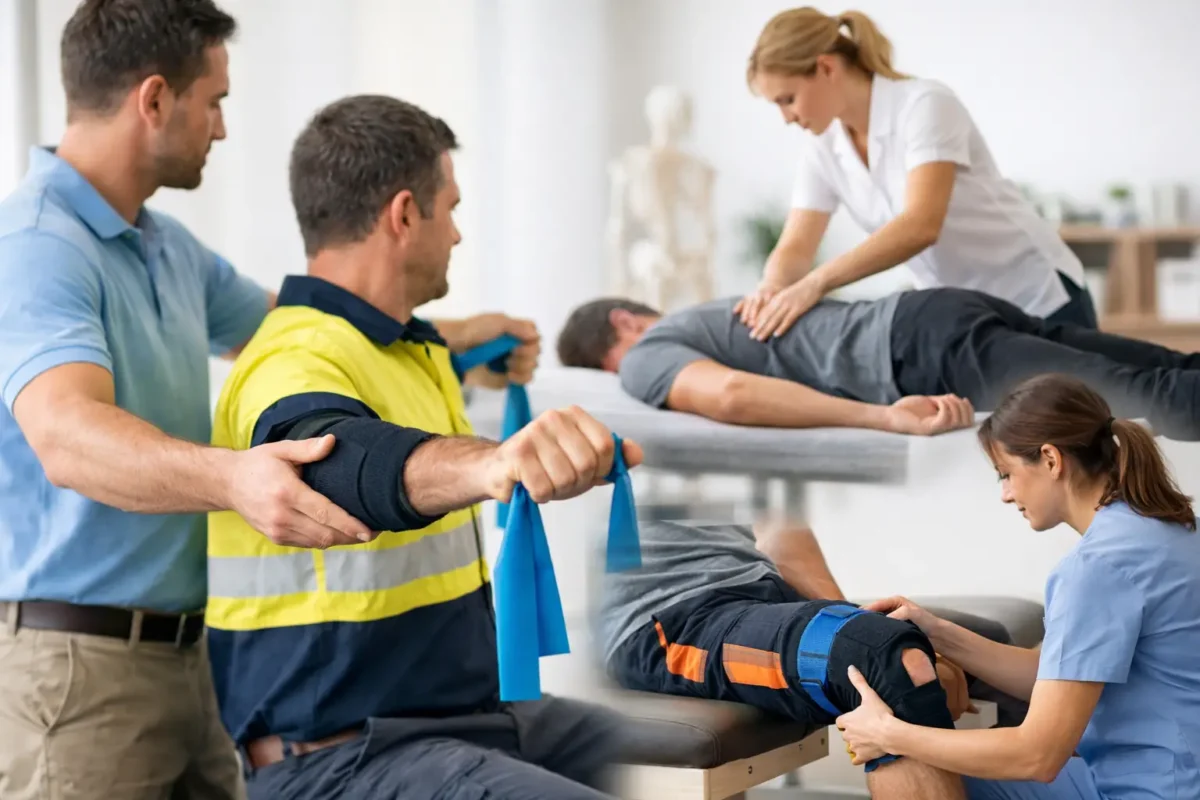
A work injury can change an ordinary shift into a painful, uncertain interruption. A sudden back strain while lifting, shoulder pain from repetitive reaching, or a slip-and-fall injury can make even basic tasks difficult. The best therapies for work injuries are not one-size-fits-all treatments. They are coordinated, diagnosis-driven options that reduce pain, restore safe movement, and help you return to work at the right pace.
For workers in Denville and Morris County, timely care matters. Waiting too long can allow stiffness, weakness, altered movement patterns, and fear of reinjury to become part of the problem. A thoughtful evaluation can clarify what is injured, what activities need to be modified, and which conservative treatments are most likely to help.
Start With a Clear Diagnosis, Not a Generic Treatment Plan
Work injuries often have similar symptoms but very different causes. Low back pain may come from a muscle strain, disc irritation, a facet joint problem, or nerve compression. Wrist pain could reflect tendinitis, a sprain, arthritis aggravated by repetitive work, or carpal tunnel syndrome. Treating the symptom without identifying the source can delay recovery.
A proper assessment may include a medical history, physical examination, range-of-motion and strength testing, and diagnostic imaging when clinically appropriate. The provider should also understand the demands of your job: lifting requirements, prolonged sitting or standing, overhead work, repetitive motions, climbing, driving, or use of tools and equipment.
This information helps create a plan that is realistic. The goal is not simply to feel better at rest. It is to regain the capacity needed for your specific work duties without pushing an injury beyond its current limits.
Best Therapies for Work Injuries: A Coordinated Approach
Most musculoskeletal work injuries improve with non-surgical care. The right combination depends on the diagnosis, severity of symptoms, overall health, and whether pain is improving as expected. A multidisciplinary setting can be particularly helpful because medical providers, rehabilitation professionals, and specialists can communicate directly instead of leaving patients to coordinate disconnected appointments.
Physical Therapy for Strength, Mobility, and Work Readiness
Physical therapy is often central to recovery from sprains, strains, back and neck injuries, repetitive-use conditions, and post-injury weakness. A physical therapist uses guided exercise, hands-on techniques when appropriate, posture and movement education, and progressive conditioning to help restore function.
For example, someone with a lifting-related back injury may begin with gentle mobility work and core stabilization before progressing to squatting, carrying, and safe lifting mechanics. A warehouse employee recovering from a shoulder injury may work on range of motion, rotator cuff strength, and controlled overhead activity. The exercises should progress with symptoms and functional improvement, not according to a rigid calendar.
Physical therapy also helps identify compensations that can create new pain. Favoring one side, bracing through the neck, or avoiding normal movement can keep an injury from resolving. Measurable goals, such as improved walking tolerance, grip strength, or ability to lift safely, give both the patient and care team a clearer picture of progress.
Chiropractic Care for Mechanical Spine and Joint Pain
Chiropractic care may be appropriate for certain mechanical neck, back, and joint conditions, especially when restricted movement and muscle tightness are contributing to pain. Treatment may include spinal or joint mobilization, soft-tissue techniques, therapeutic exercise, and ergonomic guidance.
It is not the right choice for every injury. New neurologic symptoms, suspected fracture, severe trauma, or certain medical conditions require medical assessment first. When chiropractic care is part of an integrated plan, it can complement physical therapy and physician-guided treatment rather than operate as a stand-alone solution.
Acupuncture for Persistent Pain and Muscle Tension
Acupuncture can be a useful non-medication option for some patients with ongoing pain, muscle tension, headaches related to neck strain, or discomfort that is limiting participation in rehabilitation. Fine needles are placed at specific points to support pain modulation and relaxation of tight tissues.
Response varies from person to person. Acupuncture is generally most effective when it supports a broader recovery plan that includes movement, strengthening, and activity modification. It should not replace evaluation for serious symptoms such as weakness, numbness that is worsening, or loss of bladder or bowel control.
Pain Management When Symptoms Block Rehabilitation
Pain relief has a practical purpose: it can make it possible to sleep, move, and participate in therapy. Depending on the condition, a pain management physician may recommend medication for short-term symptom control, targeted injections, or other interventional treatments. These options can be considered when pain remains significant despite appropriate conservative care.
Injections are not automatically necessary, and they are not a substitute for rehabilitation. For the right diagnosis, however, a targeted procedure may reduce inflammation or interrupt a pain cycle long enough for a patient to make meaningful progress with physical therapy. Decisions should be individualized, with a discussion of expected benefits, limitations, and potential risks.
Specialist Consultation for Complex Spine, Nerve, or Joint Injuries
Some workplace injuries need more specialized evaluation. Pain that travels down an arm or leg, persistent numbness, progressive weakness, significant joint instability, or symptoms that do not improve with initial treatment may require consultation with a spine, sports medicine, orthopedic, or neurosurgical specialist.
Surgery is typically considered only after conservative treatments have been fully explored, unless there is an urgent condition such as a fracture, severe nerve compression, or loss of function. Many patients benefit from expert surgical guidance even when surgery is not recommended, because it confirms the safest next step and helps avoid unnecessary procedures.
Recovery Requires the Right Activity Level
Complete rest is rarely the best long-term answer for a routine musculoskeletal injury. Too much inactivity can increase stiffness, reduce conditioning, and make returning to normal tasks harder. At the same time, returning to full-duty work before the body is ready can aggravate the injury.
The better approach is often modified activity. This may include temporary limits on lifting, reduced repetitive motions, more frequent position changes, or a gradual return to physical tasks. A treating provider can document functional restrictions based on your condition and update them as recovery progresses.
Ergonomics also matters. Small workplace changes can reduce the chance of a recurring injury: adjusting monitor height, using proper lifting aids, changing tool grip, alternating repetitive tasks, or improving footwear and floor safety. Rehabilitation is more effective when the work environment supports the recovery plan.
When to Seek Prompt Medical Care
Many work injuries can be evaluated in an outpatient setting, but some symptoms require urgent attention. Seek immediate medical care for severe pain after major trauma, visible deformity, inability to bear weight, a deep cut, uncontrolled bleeding, chest pain, shortness of breath, or sudden severe headache.
Urgent evaluation is also needed for new or worsening weakness, numbness in the groin area, difficulty controlling bladder or bowel function, or neck and back pain following a serious fall or accident. These symptoms may signal a condition that should not wait for routine therapy.
For non-emergency pain, early evaluation can prevent a manageable injury from becoming a prolonged problem. Denville Medical Associates brings medical evaluation, rehabilitation, pain care, and specialist consultation together in one location, helping patients move through the next steps with greater continuity and less confusion.
A productive recovery is not measured only by a lower pain score. It is measured by whether you can move with confidence, complete the tasks that matter, and return to work with a plan that protects your long-term health.