
Best Nonsurgical Options for Sciatica Relief
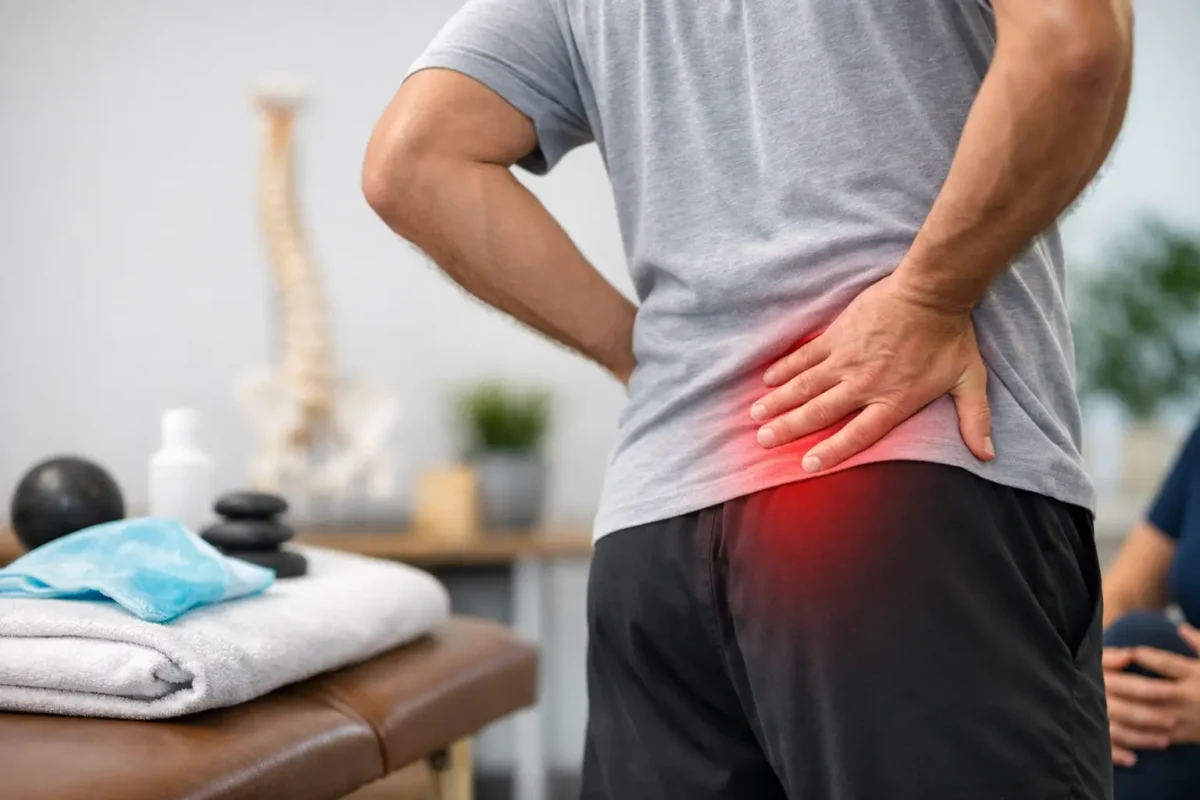
Sciatica can make an ordinary drive, workday, or night of sleep feel like a major obstacle. The pain may start in the low back or buttock and travel down one leg, sometimes with burning, tingling, numbness, or weakness. For most people, the best nonsurgical options for sciatica are not a single treatment. They are a coordinated plan that identifies the source of nerve irritation, reduces symptoms, and rebuilds the strength and movement needed to prevent recurrence.
Sciatica is a symptom, not a diagnosis by itself. A herniated disc, spinal stenosis, degenerative changes, muscle-related compression, or inflammation around a nerve root can all produce similar symptoms. That is why the right treatment depends on where the pain travels, how long it has lasted, whether weakness is present, and what an exam and appropriate imaging show.
Start With an Accurate Sciatica Evaluation
A thoughtful evaluation prevents two common problems: treating every episode of leg pain as a disc issue, and ordering tests or procedures before they are needed. A clinician will typically review your symptoms, medical history, movement patterns, reflexes, sensation, and leg strength. The straight-leg raise and other physical examination findings can help determine whether a spinal nerve is involved.
Imaging is not always necessary in the first days or weeks of sciatica. Many cases improve with conservative care, and an MRI may not change the initial plan. However, imaging can be useful when pain is severe or persistent, symptoms are worsening, there is significant weakness, or an injection or surgical consultation is being considered.
The goal is to match care to the underlying problem rather than simply chase pain from appointment to appointment.
Best Nonsurgical Options for Sciatica
Physical therapy and guided movement
Physical therapy is often one of the most valuable nonsurgical treatments for sciatica because it addresses more than pain. A personalized program may improve trunk stability, hip mobility, posture, lifting mechanics, and nerve tolerance. Depending on the cause of your symptoms, a therapist may use directional exercises, gentle mobility work, progressive strengthening, and a gradual return-to-activity plan.
Rest can be helpful for a short period during a severe flare, but prolonged bed rest usually works against recovery. The right amount of movement helps maintain circulation, confidence, and conditioning without repeatedly aggravating the nerve. A good therapy plan is specific: an office employee who is aggravated by sitting needs different strategies than a warehouse worker, runner, or older adult with spinal stenosis.
Progress is rarely perfectly linear. It is common to have a better week followed by a temporary flare after overdoing an activity. Your therapist can help distinguish a manageable response to exercise from a pattern that signals the plan needs to change.
Anti-inflammatory and pain-relief medication
Medication can create a window in which you can sleep, walk, and participate more fully in rehabilitation. Depending on your health history, a clinician may recommend a short course of anti-inflammatory medication, acetaminophen, or other options for symptom control. Muscle relaxants may be considered in select cases when muscle spasm is a prominent contributor.
Medication should be individualized. Anti-inflammatory drugs are not appropriate for everyone, particularly people with certain kidney conditions, ulcers, bleeding risks, heart disease, or medication interactions. Opioid medications are generally not a preferred long-term approach to sciatica because they do not correct the source of nerve irritation and carry meaningful risks.
Chiropractic care when it is clinically appropriate
For some patients, chiropractic care can be a useful part of a broader conservative plan. Gentle manual therapy and mobility-focused treatment may help reduce mechanical low-back pain, improve movement, and make it easier to participate in exercise-based rehabilitation.
It is not the right choice for every type of sciatica. Symptoms involving progressive weakness, severe neurologic changes, fracture risk, or other concerning findings require medical evaluation first. In an integrated setting, chiropractic care can be coordinated with medical assessment and physical therapy rather than used in isolation.
Acupuncture for symptom relief
Acupuncture may help some people manage pain and muscle tension during a sciatica flare. It is often considered when patients want a non-medication option or need added symptom relief while they work through therapy. Responses vary, and acupuncture is generally most useful as one element of a larger treatment plan rather than a stand-alone answer.
The practical question is whether it helps you function better. If it improves sleep, walking tolerance, or your ability to complete rehabilitation exercises, it may have a meaningful role in your care.
Image-guided spinal injections
When leg pain remains intense despite medication and structured therapy, an epidural steroid injection or selective nerve root injection may be considered. These procedures deliver anti-inflammatory medication near the irritated spinal nerve under imaging guidance. They are intended to reduce inflammation and pain, not to repair a disc or permanently reverse spinal narrowing.
For the right patient, an injection can provide enough relief to resume therapy, restore daily activity, and avoid or delay surgery. The duration of relief varies. Some people improve substantially after one injection, while others have partial or short-lived benefit. A pain management specialist should review the likely cause of symptoms, expected benefits, risks, and alternatives before recommending a procedure.
Lifestyle and daily-activity adjustments
Small changes can reduce repeated irritation while your nerve settles. This may mean breaking up long periods of sitting, using proper body mechanics when lifting, adjusting a car seat, avoiding sudden twisting, and returning to sports or heavy work in stages. Weight management, smoking cessation, sleep support, and regular low-impact exercise can also support long-term spinal health.
These changes should not be framed as blame. Disc changes and spinal narrowing can occur even in active, health-conscious people. The purpose is to reduce modifiable stressors and give your body the best conditions for recovery.
Why Coordinated Care Matters for Sciatica
Sciatica often crosses clinical boundaries. You may need a medical evaluation to clarify the diagnosis, physical therapy to restore movement, pain management to control severe inflammation, and a spine specialist’s perspective if symptoms do not improve. When each provider works separately, patients can receive conflicting advice or lose time waiting for referrals.
At Denville Medical Associates, nonsurgical care can be coordinated under one roof, allowing clinicians to communicate directly about your symptoms, progress, imaging, and response to treatment. That continuity is especially helpful when a treatment plan needs adjustment. If therapy is helping but leg pain remains too severe to progress, a pain management evaluation may be appropriate. If weakness develops or conservative treatment is not providing meaningful improvement, a spine consultation can happen without restarting the process elsewhere.
Surgery is not automatically the next step when pain has lasted several weeks. Many patients improve without it. But a timely surgical opinion can be appropriate for a large disc herniation with persistent disabling pain, progressive weakness, or symptoms that continue despite a well-executed conservative plan. A good surgical consultation should clarify whether an operation is likely to provide a meaningful advantage, not simply whether one is technically possible.
When Sciatica Needs Urgent Attention
Most sciatica can be evaluated in an outpatient setting, but certain symptoms require urgent medical care. Seek immediate attention for new loss of bowel or bladder control, numbness in the groin or saddle area, rapidly worsening leg weakness, inability to walk safely, fever with severe back pain, or severe pain after significant trauma. These symptoms can indicate a condition that should not wait for routine treatment.
You should also schedule a prompt evaluation for pain that is steadily worsening, significant numbness, weakness such as a foot that slaps the ground, unexplained weight loss, or a history of cancer, serious infection, or immune suppression.
The most effective path forward is usually neither to push through severe nerve pain nor to assume surgery is inevitable. A clear diagnosis, a realistic rehabilitation plan, and access to the right specialists at the right time can help you return to work, exercise, family life, and the activities that make your day feel like your own again.