
Is Surgery Always Necessary for Sciatica?
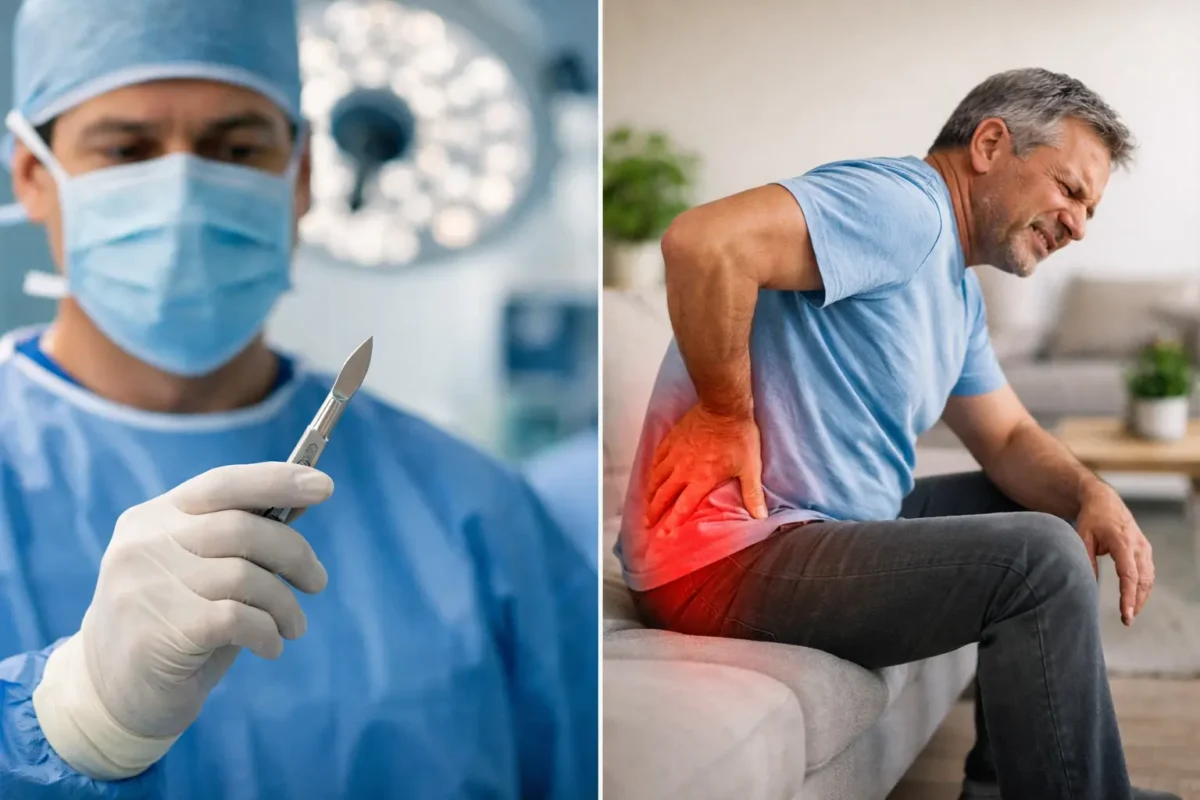
A sharp pain that starts in the low back and travels through the buttock or down the leg can make work, sleep, driving, and even a short walk feel difficult. But is surgery always necessary for sciatica? For most people, no. Many cases improve with a carefully coordinated, non-surgical treatment plan. The key is identifying the cause of the nerve irritation, watching for warning signs, and giving the right conservative treatments enough time to work.
Sciatica is a symptom, not a diagnosis by itself. It describes pain, tingling, numbness, or weakness along the sciatic nerve pathway. A treatment plan should address what is putting pressure on or inflaming that nerve, while protecting mobility and helping you return to the activities that matter to you.
Why sciatica happens
The sciatic nerve is the largest nerve in the body. It begins in the lower spine and travels through the hips, buttocks, and legs. When one or more nerve roots in the lower back become irritated or compressed, symptoms may radiate into one leg. Some people feel burning or electric pain. Others notice pins and needles, numbness, or a leg that feels weak or unstable.
A herniated disc is a common cause, particularly when symptoms begin after lifting, bending, or a sudden strain. In older adults, spinal stenosis, or narrowing of the spaces around spinal nerves, can be a factor. Arthritis, degenerative disc changes, spondylolisthesis, and less commonly a cyst or other spinal condition may also contribute.
The source matters because a disc-related episode in an otherwise healthy spine may follow a different recovery path than symptoms caused by progressive spinal narrowing. A thorough evaluation can help distinguish sciatica from hip problems, peripheral nerve conditions, vascular concerns, and other causes of leg pain.
When non-surgical treatment is often the right first step
For uncomplicated sciatica, conservative care is usually the first and most appropriate approach. Many people see meaningful improvement over several weeks, although recovery is not identical for everyone. Pain intensity, the cause of compression, job demands, overall health, and the presence of weakness all influence the timeline.
Resting completely for days or weeks is rarely the goal. Too much inactivity can lead to stiffness, loss of conditioning, and greater fear of movement. Instead, treatment often focuses on tolerable movement, symptom control, and gradually rebuilding strength and confidence.
A personalized plan may include physical therapy to improve mobility, core stability, posture, and safe movement patterns. Pain management strategies may help reduce inflammation or nerve-related pain enough for rehabilitation to be productive. Depending on the patient and clinical findings, options may also include targeted spinal injections, chiropractic care, acupuncture, or medication management. These approaches are not interchangeable, and no single treatment is right for every person.
The strongest plans are coordinated rather than pieced together. When physicians, pain specialists, therapists, and spine providers can communicate directly, treatment can be adjusted based on objective progress, function, and symptoms instead of repeating the same steps without a clear reason.
Is surgery always necessary for sciatica caused by a herniated disc?
Even when imaging shows a herniated disc, surgery is not automatically required. MRI findings must be considered alongside the physical examination and your symptoms. Many adults have disc bulges or degenerative changes on imaging without having pain, so an image alone does not determine whether an operation will help.
For a disc herniation that clearly matches one-sided leg pain and nerve findings, surgery may provide faster relief in select cases. Yet many patients improve without it. A reasonable non-surgical trial is often appropriate when pain is manageable, strength is stable, and there are no urgent neurologic concerns.
Surgery becomes more worth discussing when persistent leg pain remains severe despite appropriate conservative care, when symptoms keep preventing normal daily function, or when nerve weakness is progressing. The decision should be based on how symptoms affect your life, what the examination shows, whether imaging confirms a treatable source, and your response to treatment so far.
When surgery may be recommended
Spine surgery is generally considered when its potential benefits are clearer than its risks. The aim is not simply to correct an MRI report. It is to relieve significant nerve compression, protect nerve function, and improve pain or mobility when less invasive options have not provided sufficient relief.
A surgeon may recommend a procedure such as a microdiscectomy when a disc fragment is compressing a nerve root and causing persistent, disabling leg pain or weakness. For spinal stenosis, decompression surgery may be considered when narrowing significantly limits walking or produces progressive nerve symptoms. In some situations involving instability, fusion may be discussed, although it is not required for every spinal condition.
Surgery has trade-offs. It can offer substantial improvement for the right diagnosis, but it also involves anesthesia, recovery time, activity restrictions, and risks such as infection, bleeding, blood clots, spinal fluid leak, recurrent disc herniation, or incomplete symptom relief. Some numbness or weakness may take time to improve if a nerve has been compressed for a long period. A thoughtful surgical consultation should include a clear explanation of expected benefits, alternatives, and realistic recovery goals.
Symptoms that need urgent evaluation
Most sciatica can be evaluated in an outpatient setting, but certain symptoms should never be managed with a wait-and-see approach. Seek emergency medical attention for new loss of bladder or bowel control, inability to urinate, numbness in the groin or inner thighs, or rapidly worsening leg weakness. These can be signs of cauda equina syndrome, a rare but serious condition that may require urgent surgery.
Prompt medical evaluation is also important for severe pain after major trauma, fever with back pain, unexplained weight loss, a history of cancer, intravenous drug use, or a weakened immune system. These symptoms do not automatically mean a dangerous condition is present, but they require timely assessment.
For less urgent but concerning changes, such as a foot that begins to slap the ground, repeated tripping, increasing numbness, or worsening weakness, contact a medical provider promptly. Progressive neurologic symptoms can change the treatment decision.
What a productive sciatica evaluation should include
A clear plan begins with listening to the pattern of symptoms. Does pain worsen with sitting, standing, coughing, walking, or bending forward? Is it traveling below the knee? Has weakness appeared? These details help guide the examination.
A clinician should assess strength, reflexes, sensation, gait, hip motion, and other possible pain sources. Imaging is useful when it is likely to change treatment, especially if symptoms are severe, persistent, associated with weakness, or being considered for an injection or surgery. It is not always necessary on the first day of symptoms.
Just as important, the plan should include checkpoints. If therapy, medication, or an injection is being tried, patients should know what improvement looks like and when to reassess. Better sleep, longer walking tolerance, reduced leg pain, and improved strength are meaningful measures. If those goals are not being met, the next step should be intentional, not delayed indefinitely.
A treatment decision should fit your life and condition
The question is not simply whether surgery can be performed. It is whether it is necessary now, likely to help, and aligned with your recovery goals. A person with improving pain and stable strength may be well served by rehabilitation and close follow-up. Someone with unrelenting pain, confirmed nerve compression, and declining function may benefit from a surgical opinion sooner.
At Denville Medical Associates, coordinated outpatient care allows patients to move from evaluation to conservative treatment, rehabilitation, pain management, and specialist guidance without being sent through disconnected offices. That continuity can help ensure surgery is considered at the right time, not as a first reflex and not after symptoms have been left unaddressed for too long.
If sciatica is interrupting your work, sleep, mobility, or confidence, you deserve more than a vague instruction to wait it out. A careful evaluation can clarify what is causing your symptoms and provide a practical path toward safer movement and lasting relief.