
Best Physical Therapy and Rehab Near Me
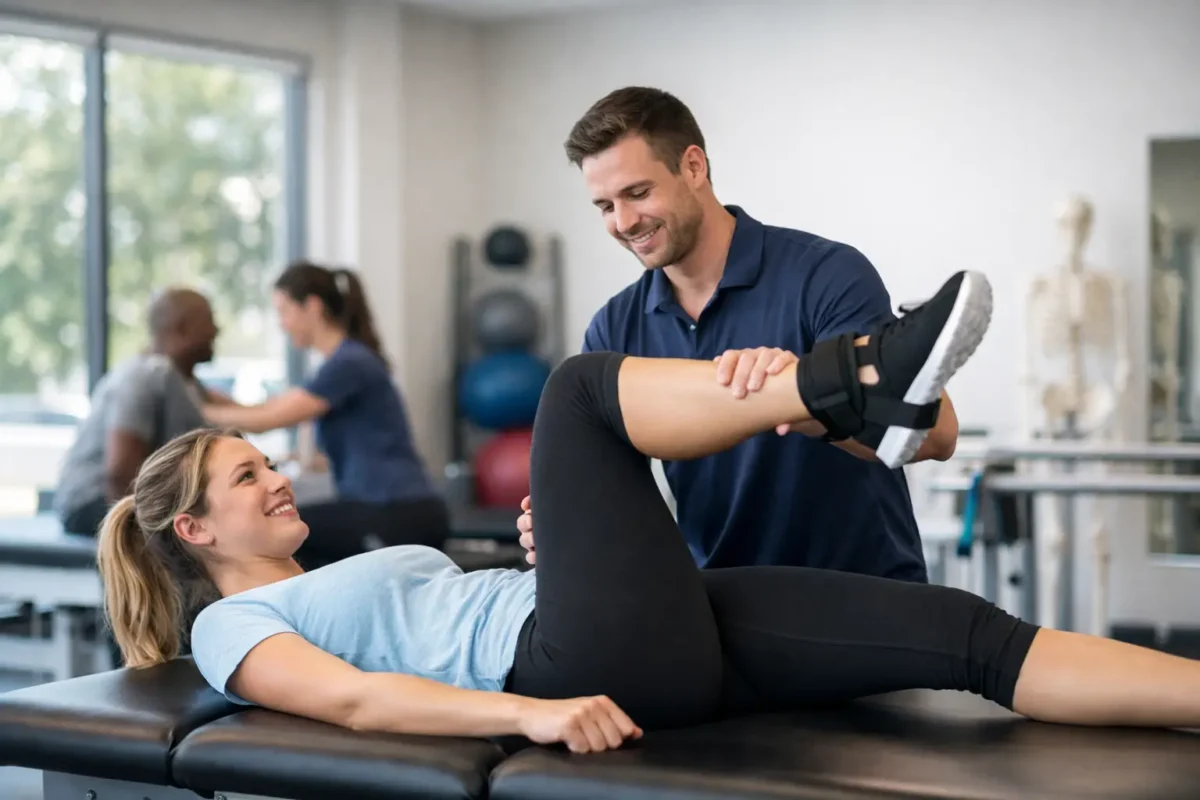
When pain starts changing how you work, sleep, drive, or exercise, the search for the best physical therapy and rehab near me becomes urgent very quickly. Most people are not looking for a generic exercise handout. They want real answers, a clear plan, and treatment that helps them get back to normal life without wasting weeks bouncing between disconnected offices.
That search can feel simple on the surface, but choosing the right rehab provider matters more than many patients realize. Physical therapy is not just about showing up twice a week. The quality of the evaluation, the accuracy of the diagnosis, the communication between providers, and the ability to adjust care when recovery stalls all shape the result.
What makes the best physical therapy and rehab near me?
The best clinic for one person is not always the best fit for another, but a few standards should be consistent. You want a team that looks beyond the painful body part and asks why the problem developed in the first place. A sore shoulder may involve posture, neck mechanics, work setup, or a prior sports injury. Knee pain may reflect hip weakness, balance issues, arthritis, or a gait change after an old ankle sprain.
Strong rehab starts with a thorough assessment. That means measuring movement, strength, stability, pain triggers, and functional limits instead of moving straight into a routine set of exercises. It also means understanding your goals. A high school athlete returning to play, an office worker with neck tension, and an older adult trying to walk stairs safely need very different treatment plans, even if they share a similar diagnosis.
Another sign of quality is progression. Good therapy should not feel random from visit to visit. Your plan should evolve as pain decreases, mobility improves, and strength returns. If you are doing the exact same things for weeks with no explanation, that is worth questioning.
Why coordinated care often leads to better rehab outcomes
One of the biggest frustrations patients face is fragmented care. They see one office for imaging, another for pain treatment, another for therapy, and a separate specialist if symptoms continue. Important details get missed. Care gets delayed. Patients end up repeating their story again and again.
A more coordinated model can make recovery more efficient. If your therapist can communicate directly with pain management, sports medicine, chiropractic care, acupuncture, primary care, or a spine specialist, decisions happen faster and with more context. That matters when symptoms are complex or when improvement is slower than expected.
For example, someone with lower back pain may improve with physical therapy alone. Another patient may need a combination of rehab, image-guided pain treatment, and further spine evaluation because nerve irritation is limiting progress. Neither case is unusual. What matters is having a team that can recognize the difference early instead of letting ineffective treatment drag on.
This is one reason many patients in Morris County look for outpatient centers that bring multiple services together under one roof. At Denville Medical Associates, that integrated structure is designed to reduce delays and give patients a more connected path from diagnosis to recovery.
Signs a rehab clinic is built around patients, not volume
Convenience by itself is not enough, but it does matter. When someone is dealing with acute pain, post-injury limitations, or a demanding work schedule, a clinic should make care easier to access, not harder. Same-day or prompt appointments, insurance acceptance, and a location close to home or work can help patients start treatment before a manageable issue becomes a bigger one.
That said, access should be matched by clinical quality. The right clinic should explain what they are seeing, why they are recommending certain treatments, and how progress will be tracked. Patients should not feel rushed through appointments or left guessing whether care is working.
Look for providers who explain trade-offs honestly. Rest can be helpful after an acute flare-up, but too much rest may delay recovery. Aggressive exercise may be appropriate for one patient and completely wrong for another. Hands-on treatment can reduce pain, but lasting improvement usually also requires movement retraining and strengthening. A trustworthy rehab team will not oversimplify that process.
Best physical therapy and rehab near me for common conditions
Many people begin this search because of a recent injury, but rehab is just as valuable for chronic conditions. The right physical therapy program can help with back and neck pain, sciatica, joint pain, sports injuries, post-surgical recovery, tendonitis, balance problems, work injuries, and motor vehicle accident injuries. It can also support patients dealing with arthritis, spinal degeneration, recurring muscle strain, and chronic pain patterns that have gradually limited activity.
What treatment looks like depends on the diagnosis and the person. Someone with a herniated disc may need guided movement, core stabilization, posture correction, and symptom-based modifications. A patient recovering from a knee injury may need gait training, manual therapy, strength work, and return-to-activity planning. An older adult with balance concerns may need focused fall-prevention therapy and lower body strengthening.
This is where individualized planning becomes essential. The best rehab clinics do not use a one-size-fits-all approach because musculoskeletal problems rarely behave that neatly.
When physical therapy alone may not be enough
Physical therapy is often an excellent first step, especially when the goal is to avoid unnecessary medication or surgery. But good rehab providers also know when additional evaluation is needed. Severe weakness, worsening numbness, bowel or bladder changes, unexplained swelling, significant trauma, or persistent pain that does not respond to conservative care may require imaging, specialist input, or a more advanced treatment plan.
That does not mean surgery is inevitable. In many cases, it simply means the team needs more information. A patient-centered clinic should be comfortable saying, “This needs a closer look,” while still prioritizing non-invasive treatment whenever appropriate.
How to choose a clinic with confidence
If you are comparing options, start by looking at the clinical team and the range of care available. Board-certified physicians, fellowship-trained specialists, and experienced therapists signal a higher level of expertise, especially for spine, orthopedic, and chronic pain cases. A multidisciplinary setting can be especially helpful if your symptoms involve more than one issue or if you want conservative treatment before considering invasive procedures.
Next, pay attention to how the clinic talks about outcomes. The language should be grounded and realistic. Promising instant relief is easy. Delivering measurable improvement in function, pain levels, mobility, and return to activity is what matters. A strong rehab provider focuses on those results.
It is also worth asking practical questions. Will your treatment plan be adjusted if you are not improving? Can the team coordinate care if you also need imaging or specialist evaluation? Are they experienced with your type of injury or condition? These details often tell you more than marketing language ever will.
What patients often overlook
Many patients choose based on proximity alone, then realize later that convenience without coordination can still lead to delays. If your therapist suspects a spine issue but cannot quickly connect you with the right specialist, you may lose valuable time. If your pain physician recommends rehab but the therapy team does not receive that information clearly, care can become inconsistent.
The best experience is often the one where communication feels built in. That continuity can reduce duplicate visits, improve decision-making, and help patients feel that someone is actually overseeing the full picture.
Why local care matters in recovery
Rehab works best when patients can attend consistently. A highly qualified clinic far from home may look appealing, but if the drive leads to missed appointments, progress may slow. For people in Denville, Rockaway, Parsippany, Randolph, Mountain Lakes, and nearby communities, having specialist-level outpatient care close to home can make treatment more realistic and sustainable.
Local care also tends to be more responsive. If pain flares suddenly, if a work injury needs prompt evaluation, or if an athlete needs guidance before returning to play, timely access matters. Delayed rehab can allow compensation patterns, stiffness, weakness, and fear of movement to become more ingrained.
That is especially true for back pain, neck pain, and post-accident injuries. Early, well-directed treatment often gives patients a better chance to recover function before symptoms become chronic.
A better question than just who is nearest
Searching for the best physical therapy and rehab near me is really about finding a place that can see the whole problem, not just the symptom of the week. The right clinic should offer more than appointments on a calendar. It should provide a thoughtful diagnosis, a personalized treatment strategy, and a coordinated path forward if your recovery needs more than basic therapy alone.
If you are in pain, dealing with an injury, or trying to regain mobility after months of limitation, it helps to choose a team that respects both your time and your long-term health. The best rehab is not only about feeling better for a day. It is about building a plan that gives you the best chance to move well, function well, and return to the life you want with confidence.