
A Guide to Noninvasive Pain Relief That Works
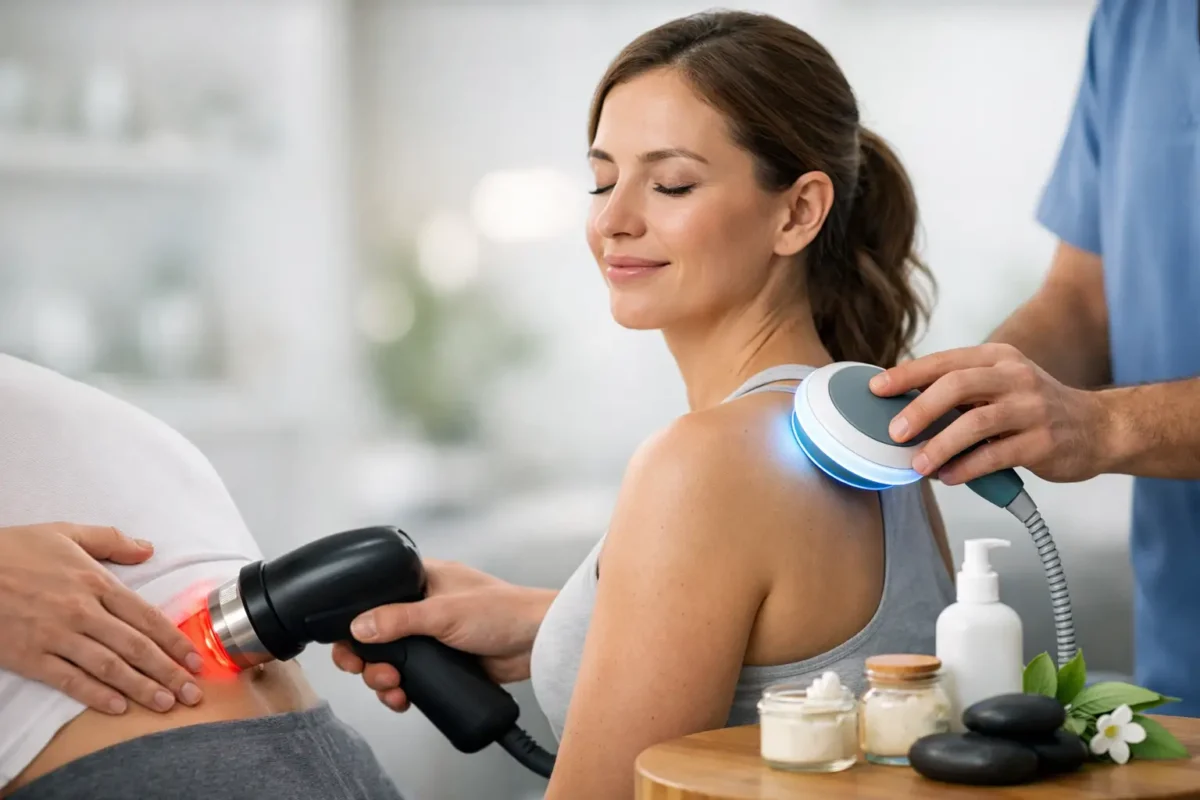
A sore back that makes it hard to get out of the car, knee pain that cuts a walk short, or tingling down an arm can quickly affect work, sleep, and independence. This guide to noninvasive pain relief explains how a thoughtful, coordinated care plan can address pain at its source while helping you return to the activities that matter to you.
Noninvasive care does not mean ignoring serious symptoms or simply waiting for pain to pass. It means beginning with evidence-based treatments that support healing, improve function, and avoid surgery whenever appropriate. For many musculoskeletal, spine, and chronic pain conditions, this approach can provide meaningful relief with less downtime and fewer risks than an operation.
Start With a Clear Diagnosis
Pain is a signal, not a diagnosis. Lower back pain may arise from strained muscles, arthritis, a disc problem, spinal stenosis, or irritated nerves. Shoulder pain may reflect a tendon injury, joint inflammation, limited mobility, or pain referred from the neck. Treatments that help one cause may do very little for another.
A useful evaluation starts with your symptoms, health history, daily demands, and goals. Your clinician may assess posture, range of motion, strength, reflexes, balance, and areas of tenderness. When appropriate, diagnostic imaging or testing can clarify whether a condition involves bones, joints, discs, nerves, blood flow, or soft tissue.
The goal is not to order every test possible. It is to gather the information needed to make a safe, practical treatment decision. A clear diagnosis helps avoid a common frustration in pain care: trying one unrelated treatment after another without a plan.
A Guide to Noninvasive Pain Relief Options
The right treatment is personal. A runner with a new overuse injury, an office professional with persistent neck tension, and an older adult managing arthritis may all need different combinations of care. In many cases, the most effective plan uses several conservative approaches together rather than relying on one treatment alone.
Physical Therapy and Guided Movement
Pain often changes the way people move. They may brace, limp, avoid bending, or stop using a painful area altogether. While rest can be helpful immediately after an injury, too much inactivity can lead to stiffness, weakness, loss of confidence, and more pain over time.
Physical therapy uses targeted exercise, hands-on techniques, and movement education to rebuild strength and mobility safely. A therapist may focus on core stability for lower back pain, shoulder mechanics for rotator cuff irritation, balance training after an injury, or gradual conditioning for chronic pain.
Progress should be measured by more than a pain score. Better sleep, easier stair climbing, a longer walk, or returning to work without frequent breaks are meaningful markers of recovery. The exercises also need to fit real life. A plan that is too complicated or too painful to sustain is unlikely to produce lasting results.
Chiropractic Care and Manual Therapies
For some patients, chiropractic care and other manual therapies can help reduce joint stiffness, improve movement, and ease certain types of neck or back pain. Treatment may include spinal manipulation, mobilization, soft-tissue work, and guidance on posture or home exercises.
These therapies work best when they are part of a broader plan, not a stand-alone answer for every condition. They may be appropriate for mechanical pain related to muscles and joints, while symptoms caused by significant nerve compression, fracture, infection, or inflammatory disease require a different path. A careful examination helps determine whether manual treatment is safe and suitable.
Acupuncture for Pain Modulation
Acupuncture is another noninvasive option that may help some people manage chronic low back pain, neck pain, headaches, osteoarthritis discomfort, and muscle tension. It involves placing very thin needles at specific points to influence the body’s pain-processing pathways.
Responses vary. Some patients feel improvement after several sessions, while others find it provides only modest or temporary benefit. Acupuncture can be especially useful when paired with active rehabilitation, sleep support, and strategies that address the physical drivers of pain. It should be performed by a qualified practitioner who understands your full medical history.
Pain Management Without Overreliance on Medication
Medication can have a role in pain treatment, particularly for short-term flares or when pain prevents sleep and movement. But medication alone rarely corrects the underlying contributors to persistent musculoskeletal pain. Long-term use also may bring side effects, interactions, or dependence concerns.
A pain management physician can help determine whether medications are appropriate, at what dose, and for how long. Depending on the diagnosis, care may also include image-guided injections or other targeted procedures. These treatments are not surgery, but they are still medical interventions with potential benefits and risks. They are generally considered when a specific pain generator has been identified and simpler care has not provided enough improvement.
The objective is not to make patients endure pain unnecessarily. It is to use the least intensive treatment that can safely help restore function and quality of life.
Why Coordinated Care Matters
Noninvasive treatment is most effective when the professionals involved communicate with one another. A therapist may notice a pattern of weakness that changes a physician’s treatment approach. A pain specialist may recommend a procedure that makes it possible for a patient to participate more fully in rehabilitation. A spine specialist can help determine whether symptoms need further evaluation rather than repeated conservative treatment.
At Denville Medical Associates, clinicians across specialties can coordinate evaluation, rehabilitation, pain management, chiropractic care, acupuncture, diagnostics, and specialist consultation in one outpatient setting. That continuity can reduce duplicated appointments and conflicting advice while giving patients a clearer path forward.
Coordination also protects against both extremes: rushing to surgery before conservative care has been adequately explored, or continuing the same treatment for too long when symptoms are not improving. The plan should change as your condition changes.
What You Can Do Between Appointments
Clinical care has greater impact when it is supported by manageable daily habits. Your provider may recommend activity changes, but complete avoidance of movement is not always the answer. The safest level of activity depends on your diagnosis, pain pattern, and overall health.
Pay attention to patterns. Note what brings symptoms on, what provides relief, whether pain travels into an arm or leg, and how it affects sleep. This information helps your care team make better decisions. Follow your prescribed home exercise program consistently, but report exercises that cause sharp, spreading, or worsening pain rather than pushing through blindly.
Sleep, stress, hydration, and nutrition can also affect the intensity of chronic pain. They do not mean pain is “all in your head.” They are factors that influence inflammation, muscle tension, energy, and the nervous system’s sensitivity to discomfort. Addressing them can make rehabilitation more successful.
Know When Pain Needs Urgent Evaluation
Most back, neck, joint, and muscle pain can be evaluated in an outpatient setting. Certain symptoms require prompt medical attention, however. Seek emergency care for chest pain, severe shortness of breath, sudden weakness on one side of the body, loss of consciousness, or symptoms of stroke.
Urgent evaluation is also needed for new bowel or bladder control problems, numbness in the groin area, rapidly worsening weakness, fever with severe back pain, or significant pain after a major fall or accident. These signs may indicate a condition that should not wait for routine conservative treatment.
For ongoing pain without emergency warning signs, an early evaluation can prevent a minor problem from becoming a prolonged limitation. The right plan is not necessarily the fastest procedure or the strongest medication. It is the one that identifies what is driving your pain, respects your goals, and gives your body the best opportunity to move well again.