
A Practical Guide to Work Injury Rehabilitation
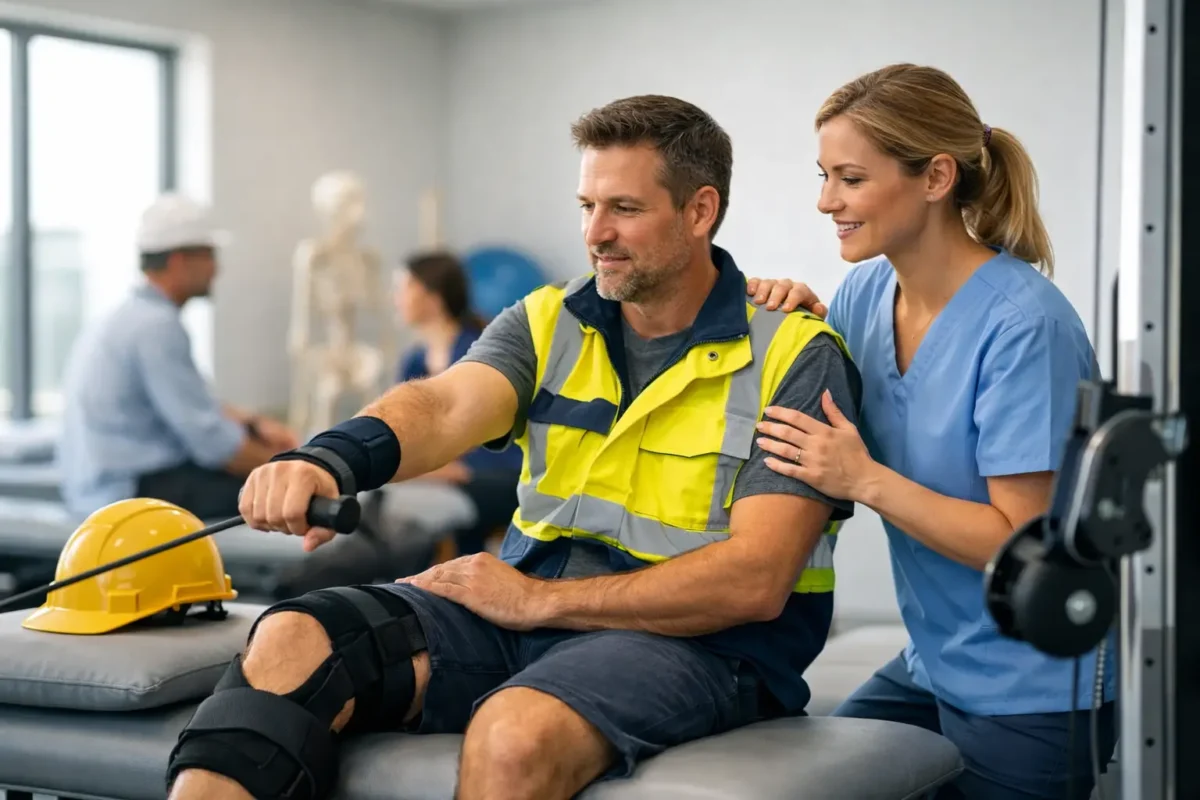
A work injury can disrupt much more than a shift. Back pain may make it hard to sit through a meeting. A shoulder injury can turn lifting, reaching, or driving into a daily challenge. Even when an injury seems minor at first, pushing through pain can change how you move and delay recovery. This guide to work injury rehabilitation explains what a productive recovery process can look like, from the first evaluation through a safe return to job duties.
Start With an Accurate Evaluation
Work injuries are not limited to dramatic falls or accidents involving heavy equipment. Repetitive lifting, prolonged standing, desk posture, awkward twisting, frequent overhead reaching, and vibration from driving or machinery can all contribute to musculoskeletal pain. Common concerns include neck and back pain, sprains and strains, knee pain, shoulder injuries, sciatica, headaches after an accident, and numbness or tingling in the arms or legs.
The first goal is to understand what has been injured and what may be contributing to the symptoms. A clinical evaluation typically considers how the injury happened, where pain occurs, what movements aggravate it, and whether there are signs of nerve involvement or loss of function. Depending on the findings, diagnostic imaging or specialist consultation may be appropriate.
A clear diagnosis does not always mean one test provides every answer. Some soft-tissue injuries and movement limitations become more apparent during a hands-on exam and through the way symptoms respond to treatment. The right plan should be specific enough to address the likely source of pain while remaining flexible as recovery progresses.
Know When Prompt Medical Attention Is Needed
Certain symptoms should not wait for a routine rehabilitation appointment. Severe or worsening weakness, loss of bowel or bladder control, numbness in the groin area, chest pain, significant head injury symptoms, an obvious deformity, or inability to bear weight after trauma may require urgent or emergency evaluation.
For many non-emergency injuries, timely outpatient care can prevent a manageable problem from becoming more persistent. Early guidance may also help patients avoid the cycle of resting completely for too long, then returning to demanding activity before the body is ready.
The Goals of Work Injury Rehabilitation
Effective rehabilitation is not simply about reducing pain. Pain relief matters, but a person also needs the strength, mobility, endurance, and confidence to perform real job tasks safely. That might mean getting in and out of a vehicle without back pain, carrying supplies, working at a computer, climbing stairs, standing at a register, or returning to physically demanding construction or warehouse work.
A thoughtful plan generally moves through several goals: calming acute symptoms, restoring comfortable movement, rebuilding strength and control, and preparing for the demands of work. The pace depends on the injury, job requirements, medical history, and how the body responds. A warehouse employee recovering from a shoulder strain may need a different plan than an accountant with neck pain from prolonged computer work, even if both report similar pain levels.
Recovery is rarely perfectly linear. It is common to have days when symptoms feel more noticeable after therapy, a long workday, poor sleep, or an increase in activity. What matters is the overall trend and whether setbacks are recognized early and addressed with appropriate adjustments.
A Coordinated, Conservative-First Care Plan
For many work-related musculoskeletal injuries, non-invasive care is the appropriate starting point. Physical therapy can help improve joint mobility, muscle strength, balance, posture, and movement mechanics. Treatment may include guided exercise, manual therapy, education about safe movement, and a home program that supports progress between visits.
Pain management may be considered when pain is preventing sleep, work participation, or meaningful rehabilitation. Options vary according to the diagnosis and may include medication management, targeted procedures, or other evidence-based interventions. The aim is not to mask pain so a patient can overdo it. It is to create enough comfort and function for recovery to move forward.
Chiropractic care, acupuncture, sports medicine, and other complementary services may also have a role for selected patients. These approaches should be incorporated thoughtfully, not offered as interchangeable solutions for every injury. The best combination depends on the diagnosis, personal health history, treatment tolerance, and recovery goals.
At Denville Medical Associates, coordinated care allows physicians, therapists, and other specialists to communicate directly about a patient’s progress. This can be especially helpful when an injury involves more than one area, such as neck pain with arm symptoms or back pain that changes the way a person walks. It also reduces the burden of repeating the same history across disconnected appointments.
When Specialist Input Changes the Plan
Most work injuries improve without surgery, but some findings deserve more specialized attention. Persistent radiating pain, progressive weakness, suspected tendon or ligament tears, fractures, significant joint instability, or symptoms that do not improve with appropriate conservative treatment may warrant consultation with a spine, orthopedic, or other specialist.
Surgical guidance, when needed, should be based on the full clinical picture rather than imaging alone. Many adults have age-related changes on scans that are not the direct cause of their pain. A fellowship-trained specialist can help connect diagnostic findings with symptoms, physical examination results, and functional limitations before recommending next steps.
Returning to Work Safely and Gradually
Returning to work is often part of rehabilitation, not something that happens only after all pain is gone. For some people, modified duty is a useful bridge between complete absence and full responsibilities. Temporary changes might include lifting limits, more frequent position changes, reduced overhead work, lighter tasks, or gradual increases in hours.
The right restrictions should be practical and tied to the patient’s current abilities. Restrictions that are too vague can be difficult for employers to apply. Restrictions that are too aggressive can lead to a flare-up and lost progress. Clear communication among the patient, treating clinician, and employer or occupational health contact can make the transition more manageable.
Patients can support their own recovery by following the home exercise plan, attending recommended visits, and reporting changes honestly. Mention new numbness, weakness, sleep disruption, medication side effects, or activities that consistently worsen symptoms. Rehabilitation works best when the care team can adjust the plan based on real-world feedback.
It is also reasonable to ask specific questions: Which movements should I avoid for now? What discomfort is expected during exercise? When can I resume lifting or driving? What signs mean I should contact the office sooner? Clear answers help replace uncertainty with useful next steps.
Practical Habits That Protect Progress
A return to activity should not mean ignoring body mechanics. Small changes can reduce strain across a workday. Keep commonly used items within easy reach, use assistive equipment when available, avoid twisting while carrying a load, and take brief movement breaks during prolonged sitting or standing. For desk-based workers, an ergonomic setup may include screen height adjustments, chair support, and regular opportunities to change position.
Sleep, hydration, nutrition, and stress management also influence recovery. They do not replace medical treatment, but they can affect pain sensitivity, energy, and the body’s ability to adapt to rehabilitation. Patients with chronic conditions such as diabetes, arthritis, osteoporosis, or prior spine problems may need a more individualized pace and closer follow-up.
The goal is not simply to get back on the schedule. It is to return with a plan that supports durable function, protects the injured area, and helps you feel capable at work again.