
What Is Physical Therapy and Rehabilitation?
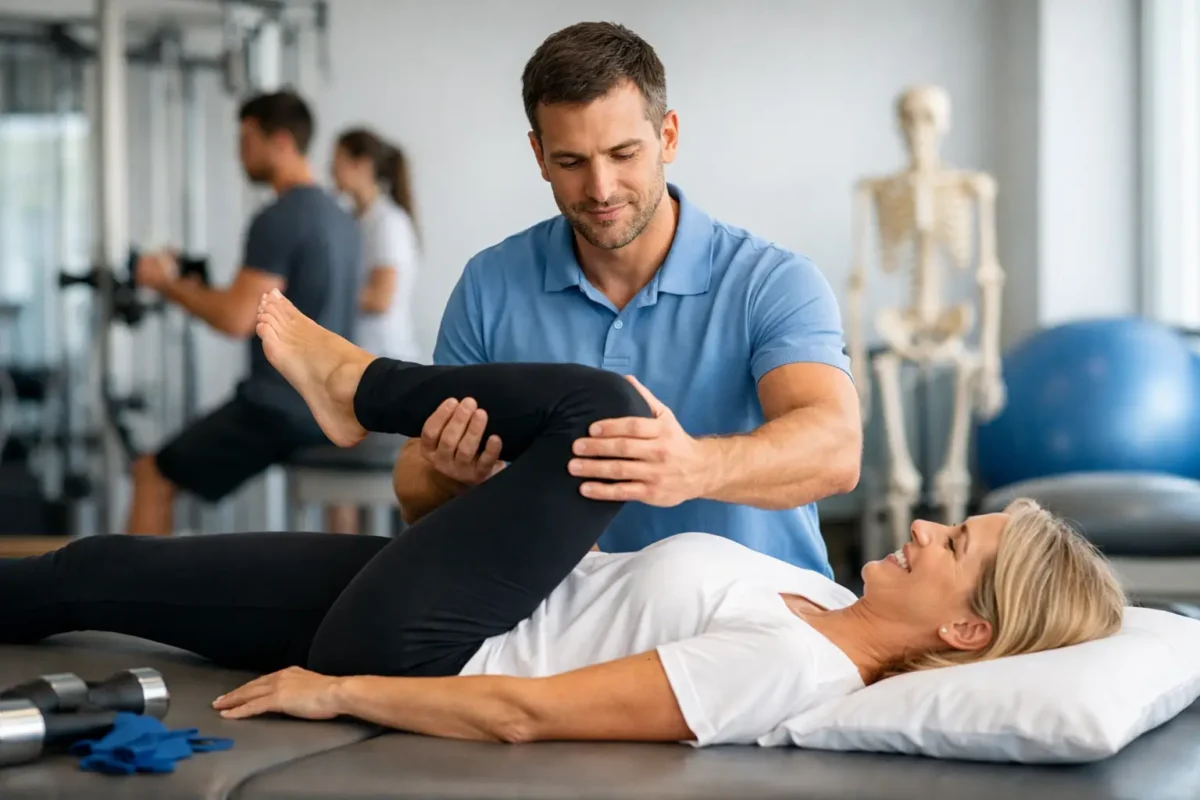
A stiff neck after a car accident, lingering low back pain that makes work harder, or a knee injury that never quite feels stable – these are the moments when people start asking, what is physical therapy and rehabilitation, and could it actually help me get back to normal? For many patients, the answer is yes, but the real value is not just pain relief. It is restoring movement, function, confidence, and the ability to live without every step or task feeling like a problem.
Physical therapy and rehabilitation are structured, medically guided treatments that help the body recover after injury, surgery, illness, or chronic physical strain. Physical therapy focuses on improving strength, mobility, balance, flexibility, and movement patterns. Rehabilitation is the broader recovery process that may include physical therapy along with pain management, medical evaluation, diagnostics, and, when appropriate, other non-invasive or specialist services. In plain terms, physical therapy is often a key part of rehabilitation, but rehabilitation is the full plan designed to help you function better again.
What Is Physical Therapy and Rehabilitation in Practice?
In practice, physical therapy and rehabilitation are not one-size-fits-all exercise programs. They begin with understanding why you hurt, what movements are limited, and what your recovery goals actually are. A patient recovering from shoulder surgery needs a different plan than an older adult with balance issues, a runner with a hamstring strain, or an office worker with chronic neck tension.
A physical therapist evaluates how your body moves and where the problem starts to affect surrounding areas. Pain in the hip, for example, may be tied to weakness in the core, stiffness in the lower back, or compensation in the knee. Good rehabilitation looks beyond the loudest symptom and addresses the mechanics behind it.
Treatment usually includes targeted exercises, stretching, manual therapy, posture or movement correction, and progressive functional training. Depending on the condition, rehabilitation may also involve physician oversight, imaging, pain management, chiropractic care, acupuncture, or sports medicine support. That coordinated approach matters because recovery often moves faster when providers are working from the same clinical picture instead of operating separately.
What Conditions Can Physical Therapy and Rehabilitation Help Treat?
Physical therapy and rehabilitation are used for a wide range of musculoskeletal and neurological issues. Many people associate it with post-surgical recovery, but that is only one part of the picture.
It is commonly recommended for back pain, neck pain, sciatica, herniated discs, joint pain, sports injuries, tendonitis, arthritis, balance problems, work injuries, and motor vehicle accident injuries. It can also help after fractures, joint replacements, ligament tears, and other orthopedic procedures. Patients with chronic pain often benefit as well, especially when treatment combines movement-based therapy with medical guidance to reduce flare-ups and improve daily function.
That said, physical therapy is not the answer to every problem. Some symptoms need immediate medical evaluation first, especially sudden weakness, loss of bowel or bladder control, severe trauma, unexplained swelling, or signs of infection. A responsible outpatient team will recognize when conservative care is appropriate and when specialist intervention is necessary.
The Goal Is Function, Not Just Temporary Relief
One of the biggest misconceptions about therapy is that it is only about reducing pain. Pain matters, of course, but the larger goal is functional improvement. Can you climb stairs without fear? Lift your child safely? Sit through a workday without your back tightening up? Return to tennis, golf, or the gym without reinjury?
Short-term relief without better movement patterns tends not to last. That is why effective rehabilitation tracks measurable progress such as range of motion, strength, endurance, balance, gait, and tolerance for daily activity. When care is working, patients usually notice not just less discomfort, but more control over their bodies.
How a Physical Therapy and Rehabilitation Plan Is Built
A strong treatment plan starts with a thorough evaluation. That first visit should look at your symptoms, medical history, physical limitations, injury mechanism, and personal goals. For some patients, the goal is getting back to work quickly. For others, it is avoiding surgery, reducing dependence on medication, or staying mobile as they age.
From there, the plan is individualized. Early treatment may focus on calming pain, reducing inflammation, and improving mobility. As symptoms improve, therapy shifts toward rebuilding strength, stability, coordination, and activity tolerance. Later stages often focus on preventing recurrence by correcting movement habits and improving body mechanics.
This progression matters. If treatment advances too slowly, recovery can stall. If it advances too quickly, symptoms may flare. The right pace depends on the diagnosis, baseline fitness, age, job demands, and whether there are other factors such as spinal issues, joint degeneration, or chronic pain sensitization.
Why Coordination Makes a Difference
Patients often get frustrated when they are sent from one office to another with little communication between providers. Rehabilitation works better when the team shares information and adjusts the plan together.
For example, a patient with persistent back pain may need a medical evaluation to rule out a more complex spine issue, physical therapy to improve mobility and core support, and pain management to make movement tolerable enough to participate fully in rehab. If each provider sees only one piece of the case, treatment can become disjointed. In an integrated outpatient setting, that handoff is more direct and often more efficient.
This is one reason patients in Morris County often look for care that keeps evaluation, conservative treatment, and specialist support under one roof. At Denville Medical Associates, that coordinated model helps reduce delays, confusion, and unnecessary escalation to more invasive care.
What to Expect During Treatment
Most treatment sessions are active, not passive. You may receive hands-on techniques to reduce stiffness or improve joint and soft tissue mobility, but therapy usually also includes guided exercises designed for your specific deficits. These are meant to build capacity over time, not just make you feel better for an hour.
You should expect some effort and some accountability. Progress often depends on consistency between visits, including home exercises and changes in posture, workstation setup, lifting mechanics, or training habits. At the same time, rehab should be realistic. A good plan fits your schedule, your pain level, and your daily responsibilities.
Results vary. Some patients improve within a few weeks, especially with mild strains or recent injuries. Others need a longer course because of surgical recovery, chronic inflammation, degenerative changes, or longstanding compensation patterns. Faster is not always better if the body has not truly rebuilt stability and control.
When Physical Therapy Alone May Not Be Enough
Sometimes patients start therapy expecting a simple fix and discover the situation is more layered. Persistent numbness, severe joint damage, advanced spine conditions, or pain that prevents meaningful participation in exercise may require additional support.
That does not mean conservative care has failed. It means treatment needs to be tailored more carefully. A physician may recommend imaging, an injection, medication management, or consultation with a specialist while therapy continues. In some cases, surgery becomes the right next step, but ideally after appropriate non-invasive options have been considered.
This is an important distinction. The best rehabilitation plans are not rigidly anti-surgery, and they are not quick to recommend it either. They follow the evidence, the patient response, and the actual cause of the problem.
Who Benefits Most From Physical Therapy and Rehabilitation?
The short answer is anyone whose pain, weakness, stiffness, or injury is limiting normal life. That includes athletes trying to return to sport, adults recovering from accidents, older patients working to preserve balance and independence, and professionals whose jobs are making existing pain worse.
Patients often benefit most when they seek help early rather than waiting until movement patterns have deteriorated for months. But even chronic problems can improve with the right combination of diagnosis, targeted therapy, and clinical oversight. The body can adapt remarkably well when the treatment plan is specific and the goals are clear.
Physical therapy and rehabilitation are not about doing random exercises and hoping for the best. They are about identifying what is holding you back, treating it with purpose, and building a safer path forward. If pain or limited movement is starting to define your day, that is usually a sign that waiting longer will not make the problem simpler. The right care can help you move with less pain, more confidence, and a better sense of what recovery should actually look like.