
Top Therapies for Sports Injuries That Aid Recovery
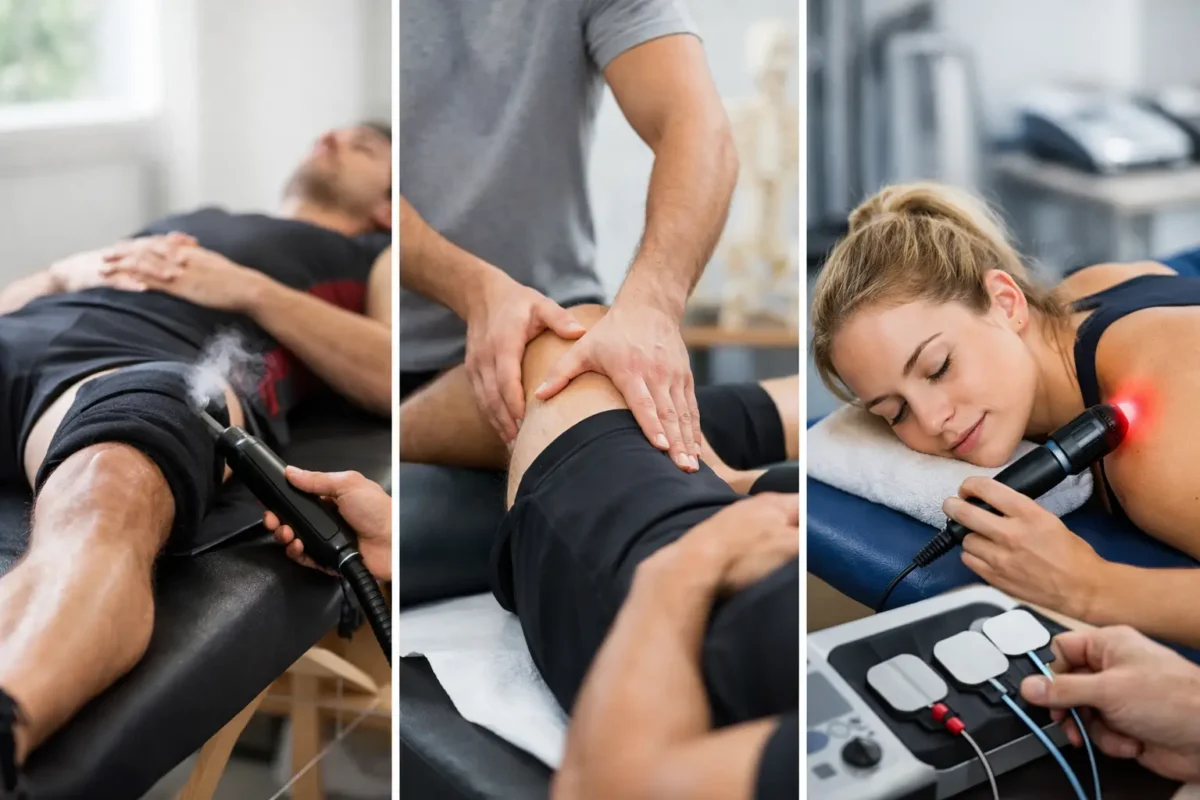
A runner feels a sharp pull in the back of the thigh during a sprint. A weekend tennis player develops shoulder pain that makes serving difficult. A high school athlete rolls an ankle and assumes it will improve before the next game. Sports injuries are common, but the right response is not always obvious. The top therapies for sports injuries are not a one-size-fits-all menu. They are carefully selected treatments that address the injured tissue, restore safe movement, and help prevent the same problem from returning.
For many active adults, the goal is not simply to get out of pain. It is to return to work, training, competition, or everyday movement with confidence. That requires an accurate diagnosis and a treatment plan that accounts for the injury, the sport, the person’s health history, and the demands they expect their body to handle.
Why the Diagnosis Comes Before Treatment
Two injuries can produce similar symptoms but require very different care. Knee pain after a long run may be caused by tendon irritation, a meniscus injury, arthritis, poor biomechanics, or referred pain from the hip or lower back. Treating every painful knee with rest alone can delay recovery if the underlying problem has not been identified.
A focused medical evaluation may include a physical examination, movement testing, and diagnostic imaging when appropriate. The purpose is to identify the affected structures and rule out concerns such as a fracture, significant ligament tear, tendon rupture, or nerve involvement. It also helps determine whether conservative care is appropriate or whether a specialist consultation is needed early.
Pain that is severe, worsening, associated with visible deformity, inability to bear weight, numbness, weakness, fever, or major swelling after trauma deserves prompt medical attention. Continuing to play through those symptoms can turn a manageable injury into a longer recovery.
Top Therapies for Sports Injuries
The most effective treatment plan often combines several therapies rather than relying on one approach. Conservative care is usually the first step for sprains, strains, tendon conditions, overuse injuries, and many joint or spine-related problems. The best combination depends on the stage of healing and the athlete’s goals.
Physical Therapy for Strength, Mobility, and Control
Physical therapy is central to recovery from many sports injuries because it addresses more than symptoms. A therapist can help reduce pain and stiffness while rebuilding range of motion, strength, balance, coordination, and sport-specific control.
After an ankle sprain, for example, therapy may begin with gentle mobility and swelling management. As healing progresses, the work shifts toward calf and hip strength, single-leg balance, landing mechanics, and agility drills. That progression matters. Returning to cutting or jumping before the ankle can respond safely to those movements increases the risk of another sprain.
Physical therapy can also identify movement patterns that contributed to the injury. Limited hip mobility, weak gluteal muscles, poor running mechanics, or an abrupt increase in training volume may place unnecessary stress on the knee, shoulder, or lower back. Correcting these factors supports a more durable return to activity.
Sports Medicine Evaluation and Activity Modification
Sports medicine care helps active patients make practical decisions while they recover. Complete rest is occasionally necessary, particularly after an acute injury or suspected fracture, but prolonged inactivity can lead to stiffness, weakness, and loss of conditioning. In many cases, modified activity is the better path.
A clinician may recommend reducing running mileage while maintaining fitness with cycling, swimming, or another low-impact option. A throwing athlete with shoulder irritation may need a temporary change in workload and a structured throwing progression rather than an indefinite break from the sport. The objective is to protect healing tissue without unnecessarily sidelining the patient.
Training errors are often part of the conversation. Sudden changes in intensity, poorly fitted footwear, inadequate recovery, and repeated play through pain can all contribute to overuse injuries. A thoughtful plan gives patients clear guidance on what they can do now and what signs mean they should scale back.
Chiropractic Care for Mechanical Pain and Mobility Limits
Chiropractic care may be useful for selected sports-related conditions involving the spine, joints, and surrounding soft tissues. Patients with mechanical neck pain, low back pain, restricted joint movement, or muscle tightness may benefit from hands-on treatment as part of a broader rehabilitation plan.
This care is most effective when it is coordinated with strengthening and movement retraining. Improving spinal or joint mobility can create a window for better exercise performance, but mobility alone does not prepare the body for the demands of lifting, running, swinging, or contact sports. The treatment plan should continue to build stability and control.
Acupuncture for Pain Relief and Recovery Support
Acupuncture can be a helpful complementary therapy for some patients managing muscle tension, chronic overuse pain, or discomfort that limits participation in rehabilitation. It may support pain relief and relaxation, making it easier for a patient to tolerate therapeutic exercise and return to normal movement.
It is not a substitute for diagnosing a serious injury or restoring strength after a tear or instability problem. Instead, acupuncture is often considered one component of a coordinated plan, particularly when pain persists despite initial conservative measures or when patients want non-medication options for symptom relief.
Pain Management When Pain Blocks Progress
Pain serves a purpose after injury, but persistent pain can interfere with sleep, work, walking, and rehabilitation. Pain management may include targeted medication strategies, guided injections when clinically appropriate, or other non-surgical interventions designed to reduce inflammation or calm irritated structures.
An injection is not automatically the right answer for every injury. Its value depends on the diagnosis, the location of pain, the patient’s medical history, and how it fits into rehabilitation. If it reduces pain enough to allow a patient to participate fully in therapy, it may be beneficial. If it encourages a premature return to high-demand activity without addressing weakness or poor mechanics, it may only postpone the problem.
Regenerative and Advanced Options Require Careful Selection
Patients often ask about platelet-rich plasma and other regenerative treatments for tendon, ligament, or joint injuries. These options may be considered for certain conditions, but results vary based on the injury, the tissue involved, and the quality of the rehabilitation plan that follows.
A credible recommendation should begin with diagnosis and evidence, not a promise of a quick fix. Some injuries respond well to progressive loading and physical therapy alone. Others may warrant advanced treatment after conservative care has not provided sufficient improvement. Patients deserve a clear explanation of expected benefits, limitations, costs, and alternatives.
When Surgery Is Considered
Most sports injuries do not require surgery. Many sprains, strains, tendon problems, and nonspecific back injuries improve with appropriate conservative treatment. However, surgery may be necessary for certain fractures, complete tendon ruptures, significant instability, locked joints, or injuries that do not respond to well-directed non-operative care.
When a surgical opinion is needed, coordinated care can make the process less stressful. The treating clinicians can share examination findings, imaging results, therapy progress, and the patient’s functional goals. If surgery is recommended, rehabilitation remains a major part of recovery before and after the procedure.
A Safe Return Is More Than Feeling Better
Pain relief is encouraging, but it is not the only marker of readiness. A basketball player may have no ankle pain while walking but still lack the balance and strength needed for explosive jumping. A golfer may feel better at rest but still have limited shoulder control during a full swing.
A safe return-to-sport decision considers whether the patient can perform the movements their activity requires without pain, compensation, swelling, or loss of control. This may include running, cutting, lifting, throwing, jumping, or repeated work-related motions. Recovery timelines vary, and rushing the final stages can be costly.
At Denville Medical Associates, patients can receive evaluation, rehabilitation, pain care, specialist input, and complementary therapies in one coordinated outpatient setting. That clinical continuity helps avoid the confusion of disconnected referrals and keeps the treatment plan focused on measurable progress.
The right next step after a sports injury is not necessarily doing more or doing less. It is getting a clear diagnosis, following a plan that matches your injury and goals, and giving your body the support it needs to return to the activities that matter to you.