
How Sports Medicine Speeds Recovery Safely
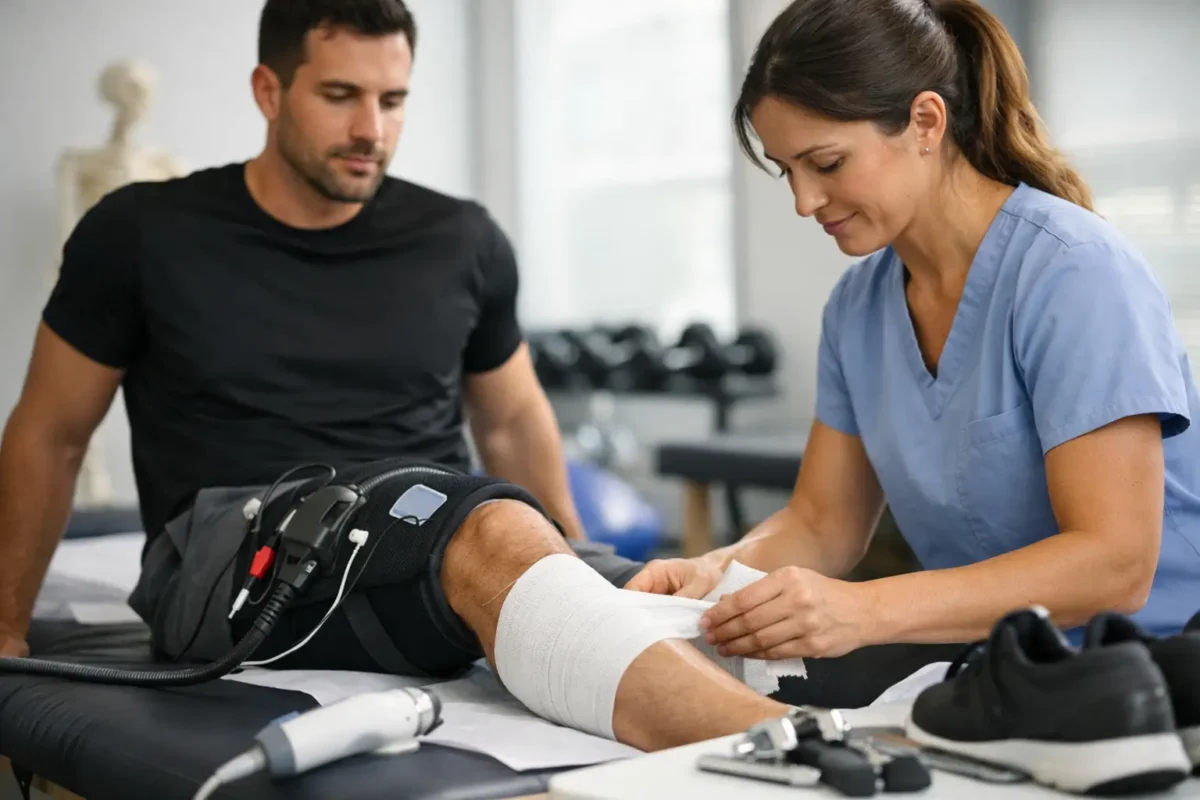
A sprained ankle before a busy workweek, shoulder pain that will not settle after tennis, or a sore back that changes how you move can quickly become more than an inconvenience. Understanding how sports medicine speeds recovery begins with recognizing that effective care is not simply about resting longer or pushing through pain. It is about identifying the true source of the problem, treating it early, and progressing activity at the right pace.
Sports medicine serves more than competitive athletes. It can help active adults, weekend runners, parents, workers with physically demanding jobs, and anyone whose pain or injury is limiting daily life. The goal is not just to reduce symptoms temporarily. It is to restore safe movement, strength, and confidence while reducing the risk of a setback.
How Sports Medicine Speeds Recovery
A faster recovery does not mean rushing tissue healing. Muscles, tendons, ligaments, bones, and nerves each recover on different timelines. Trying to return to full activity before the body is ready can turn a manageable injury into a recurring problem.
Sports medicine helps make recovery more efficient by replacing guesswork with a focused plan. A physician evaluates how the injury happened, where pain occurs, what movements provoke it, and whether there are signs of a more serious condition. This evaluation may include a physical examination, functional testing, and diagnostic imaging when appropriate.
That precision matters. Knee pain after a twist may involve a ligament, meniscus, tendon, joint irritation, or a combination of issues. Shoulder pain can come from the rotator cuff, joint mechanics, the neck, or overuse patterns. Treating every injury as simple inflammation can delay improvement if the actual driver has not been identified.
Once the diagnosis is clearer, treatment can begin with the least invasive option likely to help. For many patients, that includes a combination of activity modification, targeted physical therapy, guided exercise, manual treatments, and medication or non-surgical pain management when clinically appropriate. The plan should reflect the person, not just the diagnosis. A warehouse employee, a recreational golfer, and a high school athlete may have the same injury but need different recovery milestones.
Early Evaluation Can Prevent Lost Time
Many people wait because they assume pain will resolve on its own. Some mild strains do improve with short-term rest and careful return to activity. But persistent pain, repeated swelling, weakness, numbness, instability, reduced range of motion, or symptoms that interfere with walking, working, sleeping, or exercising deserve an evaluation.
Early sports medicine care can prevent compensatory movement patterns that create new problems. Someone favoring a painful knee may strain the hip or low back. A person with shoulder pain may begin moving differently and irritate the neck. Addressing the original issue before those habits become entrenched often makes rehabilitation more straightforward.
Early evaluation is also valuable because rest alone is not always the answer. Prolonged inactivity can lead to stiffness, muscle loss, reduced balance, and lower confidence in movement. Depending on the injury, the better approach may be relative rest: temporarily reducing the aggravating activity while maintaining safe movement and conditioning in other ways.
Accurate Diagnosis Changes the Treatment Plan
Sports medicine physicians are trained to assess both acute injuries and overuse conditions. Acute injuries may include ankle sprains, muscle strains, joint injuries, fractures, or concussion concerns. Overuse conditions often build gradually, such as tendon pain, runner’s knee, shin splints, plantar fasciitis, or shoulder irritation.
The distinction is meaningful. A sudden injury after a fall may require imaging or immediate protection of the affected area. A tendon problem that has developed over months may respond better to gradual loading, mobility work, and correction of training or movement errors than to complete rest.
Not every patient needs an MRI, injection, or surgical consultation. Evidence-based care means choosing tests and treatments because they are likely to change management, not because they are routine. When advanced care is needed, timely access to the appropriate specialist can also reduce delays.
Rehabilitation Builds More Than Pain Relief
Pain reduction is an important part of recovery, but it is not the only marker of healing. A joint can feel better before it has regained the strength, control, endurance, or mobility needed for normal activity. This is one reason people sometimes reinjure themselves after returning too quickly.
Physical therapy is often central to sports medicine recovery because it turns a diagnosis into measurable progress. A therapist can identify movement limitations, weakness, balance deficits, and poor mechanics that may have contributed to the injury. Treatment then progresses from restoring comfortable motion to rebuilding strength and activity tolerance.
For example, an ankle sprain may improve after swelling decreases, yet the ankle can remain unstable without balance and strengthening work. A runner may be able to jog without pain but still lack the hip strength or training progression needed to avoid recurrence. A structured rehabilitation plan addresses these gaps.
Progress should be based on function rather than the calendar alone. Some injuries recover quickly, while others require more patience. Return-to-work and return-to-sport decisions may consider pain levels, range of motion, strength compared with the uninjured side, balance, endurance, and the specific demands of the activity.
The Value of Coordinated Care
Recovery can become frustrating when patients receive isolated recommendations from providers who do not communicate with one another. A patient may be told to rest by one office, start exercises somewhere else, and seek a specialist referral weeks later if symptoms continue.
An integrated outpatient setting can reduce that fragmentation. At Denville Medical Associates, sports medicine, physical therapy, pain management, chiropractic care, acupuncture, diagnostics, and spine expertise are available within one coordinated care environment. This allows providers to share information, adjust plans as symptoms change, and keep the patient focused on a clear recovery path.
Coordination does not mean every patient needs every service. It means the care team can add the right support when it is warranted. A patient with a straightforward muscle strain may primarily need rehabilitation and a safe exercise progression. Someone with persistent pain, nerve symptoms, or a more complex spine or joint condition may benefit from additional evaluation and treatment options.
Managing Pain Without Losing Sight of Function
Pain can make it difficult to sleep, work, and participate in rehabilitation. Managing it appropriately can help patients move more comfortably and engage in the treatment that supports recovery. However, pain relief should support functional restoration, not replace it.
Depending on the condition, conservative treatment may include anti-inflammatory medication, topical options, targeted procedures, therapeutic modalities, acupuncture, or other non-surgical approaches. The right option depends on the diagnosis, medical history, medication risks, and recovery goals. Some treatments are best used briefly to help a patient participate in therapy; others may not be necessary at all.
Surgery can be essential for certain fractures, complete tendon ruptures, severe instability, or conditions that do not respond to appropriate conservative care. But it is rarely the first step for every painful shoulder, knee, back, or ankle. A careful sports medicine approach explores non-invasive options first when they are safe and clinically appropriate.
What Patients Can Do Between Visits
A recovery plan works best when it fits real life. Follow guidance on activity modification, complete prescribed exercises consistently, and communicate honestly about what is improving and what is not. Pain that is sharp, worsening, associated with numbness or weakness, or accompanied by significant swelling should not be ignored.
Sleep, nutrition, hydration, and stress management also influence recovery. They do not replace medical treatment, but they affect the body’s ability to heal and the energy available for rehabilitation. Patients who are returning to exercise should increase training gradually rather than trying to make up for lost time in one weekend.
The most effective recovery plans are active, individualized, and responsive to progress. When pain or injury disrupts the activities that matter to you, sports medicine can provide a practical next step: a clear diagnosis, coordinated conservative care, and a plan designed to help you move forward with confidence.