
Pain Management That Treats the Cause, Not Symptoms
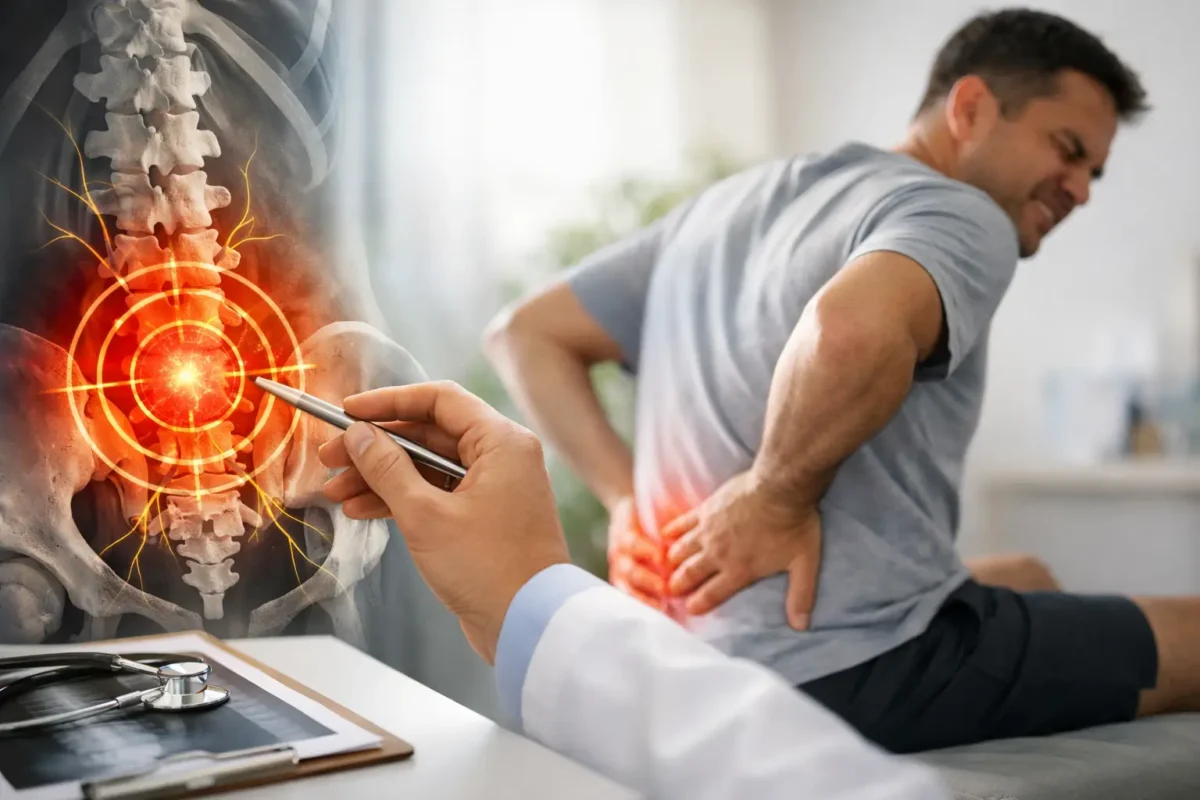
Pain can make ordinary decisions feel complicated: whether to sit through a work meeting, pick up a grandchild, finish a workout, or simply get a full night of sleep. Effective pain management is not about asking patients to push through discomfort or masking symptoms without a plan. It begins with understanding why pain is happening, how it affects daily life, and which treatments can help restore movement safely.
For many people, the hardest part is not finding a provider. It is figuring out where to start when the problem may involve the spine, joints, muscles, nerves, or the aftereffects of an injury. A coordinated outpatient approach can replace that uncertainty with a clear path forward.
What Pain Management Should Address
Pain is a symptom, not a diagnosis. Low back pain may come from a strained muscle, a disc problem, arthritis in the facet joints, spinal stenosis, or irritation of a nerve. Neck pain can be connected to posture, a sports injury, degenerative changes, or a condition that sends pain into the shoulder and arm. Knee, hip, and shoulder pain may involve tendons, joints, ligaments, or mechanics elsewhere in the body.
That is why a meaningful evaluation looks beyond the location of pain. Your clinician may consider when symptoms started, what movements make them worse, whether there is numbness or weakness, what treatments you have already tried, and how pain is limiting your work, sleep, or activity. A physical examination and, when appropriate, diagnostic imaging can help clarify the next step.
The goal is not always to eliminate every sensation immediately. For chronic conditions, progress may mean reducing pain flares, walking farther, sleeping more comfortably, returning to exercise, or relying less on medication. Those are measurable improvements that matter in daily life.
Pain Management Often Starts With Conservative Care
When there is no urgent surgical concern, non-invasive treatment is usually the appropriate first step. This approach gives the body an opportunity to heal while addressing the movement patterns, inflammation, and weakness that may be contributing to symptoms.
Physical therapy is often central to recovery. A therapist can help improve mobility, strengthen supporting muscles, restore balance, and teach safer ways to lift, sit, walk, or return to sport. The right program should be individualized. A runner recovering from a knee injury needs a different progression than an office professional with recurring neck tension or an older adult with spinal arthritis.
Chiropractic care, acupuncture, and therapeutic exercise may also be appropriate for selected patients. These services are not interchangeable, and they are not right for every diagnosis. Used thoughtfully as part of a coordinated plan, they can support mobility, reduce muscle tension, and help patients stay engaged in rehabilitation.
Medication can have a role, especially during an acute flare or while a patient begins therapy. But medication alone rarely corrects the underlying problem. A careful pain management plan considers expected benefit, side effects, interactions with other medications, and the goal of using the lowest level of treatment needed for meaningful relief.
When Interventional Treatment May Help
Some patients continue to have significant pain despite therapy, activity modification, and medication. Others have pain that is severe enough to prevent them from participating in rehabilitation. In these situations, a pain specialist may recommend an interventional option such as an injection or a targeted procedure.
These treatments can help reduce inflammation or calm a specific pain generator, allowing patients to move more comfortably and participate more fully in their recovery plan. They are most useful when they are based on a clear diagnosis and paired with a strategy for what comes next, such as physical therapy or progressive strengthening.
An injection is not automatically a long-term solution, and it should not be offered as a one-size-fits-all answer. The value depends on the condition being treated, the source of symptoms, a patient’s medical history, and their response to previous care. A thoughtful discussion should cover the expected duration of relief, possible risks, and realistic goals.
Coordinated Care Matters When Pain Has More Than One Cause
Pain often does not fit neatly into one specialty. A patient with back pain after a car accident may need diagnostic evaluation, pain treatment, physical therapy, and guidance on safely returning to work. Someone with tingling down the leg may benefit from a spine assessment while beginning conservative care. An athlete with shoulder pain may need sports medicine input alongside rehabilitation.
When providers communicate directly, the treatment plan can adjust as the patient responds. If therapy reveals persistent weakness or symptoms suggest nerve involvement, the care team can escalate evaluation without forcing the patient to start over in a new office. If a procedure reduces pain, the rehabilitation plan can be advanced at the right pace.
At Denville Medical Associates, this under-one-roof model brings pain management, spine expertise, physical therapy, chiropractic care, acupuncture, sports medicine, diagnostics, and other services into a connected outpatient setting. For patients in Denville and Morris County, coordinated care can mean fewer disconnected appointments and a clearer understanding of what each part of treatment is meant to accomplish.
When Surgery Is Considered
Surgery is sometimes necessary, particularly when there is significant structural damage, progressive neurologic symptoms, or pain that has not improved after appropriate conservative treatment. However, surgery is not the starting point for most back, neck, joint, or soft-tissue pain.
A surgical consultation can still be valuable even when surgery is unlikely. It may help confirm that conservative care is appropriate, explain imaging findings, and identify symptoms that would change the treatment plan. When a fellowship-trained spine specialist and non-surgical providers are part of the same care environment, patients can receive guidance without feeling pressured toward an operation.
Signs You Should Not Ignore
Most musculoskeletal pain can be evaluated in an outpatient setting, but certain symptoms need prompt medical attention. Seek emergency care for new loss of bowel or bladder control, numbness in the groin area, sudden or worsening weakness, severe pain after a major trauma, chest pain, trouble breathing, or symptoms of a stroke.
For persistent but non-emergency symptoms, do not wait until pain has taken over your routine. Pain lasting several weeks, recurring flares, numbness or tingling, pain that travels into an arm or leg, weakness, or discomfort that disrupts sleep are all reasons to schedule an evaluation. Early care may help prevent compensating movements and reduced activity from creating additional problems.
How to Take an Active Role in Your Recovery
The best treatment plan is one you can realistically follow. Be specific with your care team about what you need to get back to: standing through a shift, driving without pain, gardening, training for an event, or keeping up with family. Those details help shape recommendations around your actual life rather than a generic definition of recovery.
It also helps to track changes between visits. Note which activities trigger symptoms, whether pain is sharp, aching, burning, or numb, and what improves or worsens it. This information can help distinguish a temporary flare from a pattern that needs a different approach.
Recovery is rarely a straight line. Some conditions improve quickly; others require steady work over weeks or months. The right pain management plan gives you a diagnosis-driven starting point, practical options, and a team that can adjust care as your needs change. Relief matters, but so does returning to a life that feels active, capable, and yours again.